Why Do Some Animals Hibernate in Winter?
Unlock the Secrets of Hibernation
Introduction to Hibernation
Hibernation is a state of inactivity and metabolic depression in animals, characterized by lower body temperatures, slower breathing, and reduced heart rates. This process allows animals to survive periods of food scarcity and harsh weather conditions. While many animals exhibit some form of dormancy, true hibernators, like bears, bats, and ground squirrels, undergo significant physiological changes to conserve energy.
Reasons for Hibernation: Energy Conservation
One of the primary reasons for hibernation is energy conservation. During hibernation, an animal's metabolism slows down dramatically, allowing it to live off stored fat reserves for extended periods. This is particularly important in regions where food sources are scarce during winter months. In contrast, non-hibernating animals must continue searching for food, expending valuable energy in the process. By reducing their activity levels and slowing down their metabolic processes, hibernating animals can survive on minimal resources.
Environmental Factors Triggering Hibernation
Impact of Temperature on Hibernation Patterns
The onset of colder temperatures often triggers hibernation in animals. As ambient temperatures drop, so does the availability of food and water. Many hibernating species have evolved to respond to these environmental cues, entering a state of torpor when temperatures fall below a certain threshold. For example, ground squirrels typically begin hibernation when daily average temperatures fall below freezing.
Role of Food Scarcity in Triggering Hibernation
In addition to temperature, food scarcity plays a crucial role in initiating hibernation. When food becomes scarce, animals may enter a state of torpor to conserve energy until more favorable conditions return. This adaptation allows them to survive periods of resource depletion without expending unnecessary energy on searching for food. For instance, bats often hibernate during winter when insects, their primary food source, become unavailable.
Physiological Changes During Hibernation
Metabolic Rate Reduction During Hibernation
During hibernation, an animal's metabolic rate drops significantly. This reduction allows the animal to survive on stored fat reserves for extended periods. For example, a hibernating bear may reduce its metabolic rate by up to 75%, while a ground squirrel can slow its metabolism by as much as 90%. These dramatic reductions in metabolic activity enable hibernating animals to conserve precious energy resources.
Body Temperature Regulation and Survival Mechanisms
Hibernating animals also experience a reduction in body temperature, which further conserves energy. While most hibernators lower their body temperature to just above freezing, some species, like the arctic ground squirrel, can allow their body temperature to drop below freezing. This adaptation, known as supercooling, allows them to survive in extremely cold environments. Additionally, hibernating animals have developed mechanisms to prevent ice crystal formation within their bodies, ensuring their survival during prolonged periods of low body temperature.
Species-Specific Hibernation Adaptations
Differences in Hibernation Strategies Among Various Species
Different species have evolved unique strategies to cope with winter conditions. For example, while some animals, like ground squirrels, enter a state of deep hibernation, others, such as black bears, exhibit a less extreme form of torpor. Ground squirrels may remain inactive for several months, whereas black bears may only hibernate for a few weeks at a time. These variations in hibernation strategies reflect differences in body size, fat reserves, and environmental pressures.
Case Studies of Specific Animals (e.g., Bears, Bats)
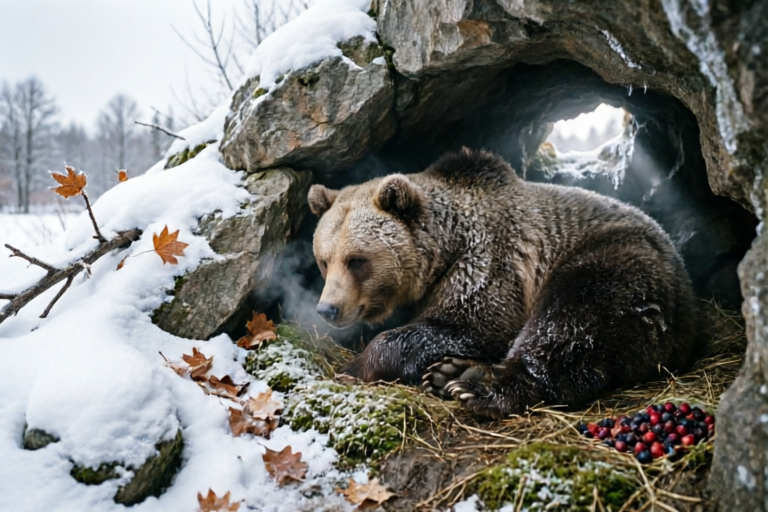
Bears are well-known hibernators, capable of surviving winter months without eating or drinking. During hibernation, a bear's heart rate slows from 40-50 beats per minute to just 8-12 beats per minute. Their body temperature drops slightly, but not enough to enter a state of true hypothermia. Instead, they rely on stored fat reserves to maintain essential bodily functions. By the end of hibernation, a bear may have lost up to 30% of its body weight.
Bats also employ hibernation as a survival strategy. Unlike bears, bats enter a state of deep torpor, lowering their body temperature to just above freezing. During this period, they may awaken periodically to drink water and eliminate waste products. This intermittent arousal allows them to regulate their body temperature and maintain vital bodily functions. However, if disturbed during hibernation, bats may expend valuable energy reserves, potentially jeopardizing their survival.
Conclusion: The Importance of Hibernation for Survival
Hibernation is a critical survival strategy for many animals, allowing them to conserve energy, adapt to environmental changes, and ensure their survival during harsh winter conditions. By reducing their metabolic rates and body temperatures, hibernating animals can survive periods of food scarcity and extreme weather. Understanding the physiological and environmental factors that trigger hibernation provides valuable insights into the evolutionary adaptations of these remarkable creatures. Future research in this field may uncover new ways to apply these principles to human health and medicine, offering potential benefits for managing metabolic disorders and improving energy efficiency.
Comments

Would love to see a follow-up article on how different climates affect hibernation patterns.

Never knew this! It makes total sense though, when you think about it.

Great breakdown! I'm particularly interested in the physiological changes. Are there any ongoing studies on this?

This explains why my backyard birds seem to disappear in winter. Guess they're finding some cozy spot to hibernate!

I find it fascinating how bears can survive without eating for so long. Makes me wonder if humans could ever adapt to do that.
So how do animals wake up from hibernation? Do they just feel hungry or is there something else triggering it?

Wow, I always thought hibernation was just about sleeping through winter! Never knew it was so much more than that.