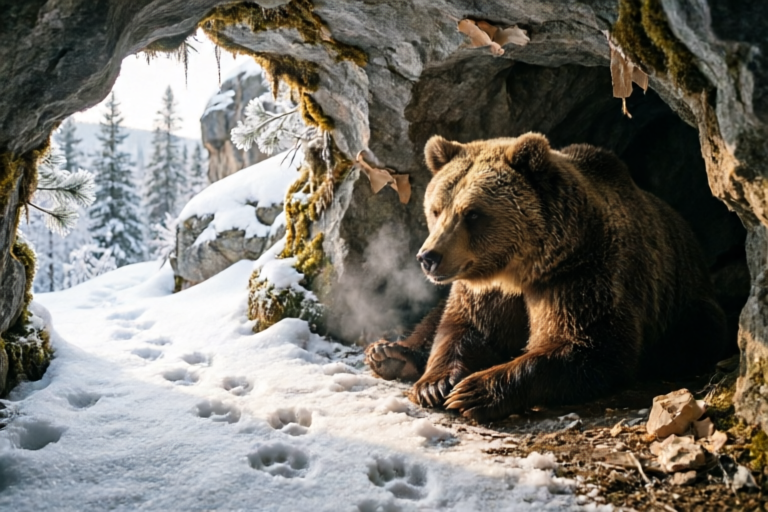
Why Do Some Animals Hibernate During Winter?
Unlock the Secrets of Animal Hibernation
Introduction to Hibernation
Hibernation is a state of inactivity and metabolic depression in animals, characterized by reduced body temperature, slow breathing, and minimal bodily functions. It is primarily a survival strategy used by certain animals to endure harsh environmental conditions, particularly during winter when food is scarce and temperatures drop significantly.
Animals that hibernate include bears, bats, ground squirrels, hedgehogs, and some species of frogs and snakes. These creatures undergo dramatic physiological changes to survive the long, cold months without food.
Reasons for Hibernation: Conservation of Energy
How Hibernation Helps Animals Conserve Energy
One of the primary reasons animals hibernate is to conserve energy. By reducing their metabolic rate, these animals can survive long periods without eating. During hibernation, their body temperature drops, heart rate slows, and breathing becomes infrequent. This allows them to use less energy than they would if they were active.
The Role of Metabolism Reduction in Survival
Metabolic processes are significantly slowed down during hibernation. This reduction in metabolism means that the animal's body consumes far fewer calories than it does when awake. For example, a bear may reduce its metabolism to just 25% of its normal rate, allowing it to survive for months without eating.
Environmental Factors Leading to Hibernation
Lack of Food Availability in Winter
Food scarcity is one of the main triggers for hibernation. Many animals rely on specific foods that are not available during the winter months. For instance, insects and plants that serve as food sources for many animals disappear when temperatures drop. To avoid starvation, these animals enter a state of dormancy until conditions improve.
Extreme Cold Temperatures as a Trigger for Hibernation
Another significant factor is extreme cold. Many animals cannot maintain their normal body temperature in freezing conditions. Hibernation provides a way for them to lower their body temperature to match the environment, thus conserving energy and avoiding hypothermia.
Adaptations for Successful Hibernation
Physiological Changes in Body Temperature and Heart Rate
During hibernation, an animal's body temperature can drop dramatically, sometimes as low as 2°C (36°F) in the case of ground squirrels. Their heart rate also slows down, with some species like bats experiencing a heart rate as low as 25 beats per minute. These adaptations help the animal conserve energy and survive the winter.
Fat Storage and Its Importance for Hibernating Animals
Before entering hibernation, many animals spend weeks or even months eating large quantities of food to build up fat reserves. These fat stores provide the necessary energy to sustain the animal throughout its dormant period. For example, brown bears can gain up to 400 pounds of fat before hibernating.
Risks and Challenges of Hibernation
Potential Dangers During Hibernation Such as Predators or Interruptions
Despite the benefits of hibernation, there are risks involved. Interruptions to hibernation can be dangerous, as the animal must expend precious energy to wake up and resume normal bodily functions. Additionally, predators pose a threat to hibernating animals, especially those that do not fully withdraw from their surroundings.
The Impact of Climate Change on Hibernating Species
Climate change is altering the patterns of hibernation for many species. Warmer winters can disrupt the timing of hibernation, leading to mismatches between when animals emerge from hibernation and when food becomes available. This can have serious consequences for the survival of hibernating species.
Conclusion: Importance of Understanding Hibernation
In conclusion, understanding hibernation is crucial for both scientific knowledge and conservation efforts. By studying the mechanisms behind hibernation, we can better understand how animals adapt to challenging environments. This knowledge can also inform strategies to protect vulnerable species from the impacts of climate change and habitat loss.
As we continue to explore the complexities of hibernation, we uncover new insights into the resilience and adaptability of nature. The study of hibernation not only enriches our understanding of biology but also highlights the importance of preserving ecosystems that support these remarkable survival strategies.
Comments

Never knew this! It's amazing how nature has these built-in survival mechanisms.

This is fascinating! I always wondered how they survive the whole winter without eating.

Climate change must really mess with their hibernation patterns. Hope they can adapt.

Makes sense now why squirrels eat so much in autumn. Saving up for winter!

I've seen chipmunks out during winter sometimes. Do they still hibernate if they're active?

How do they know when it's time to wake up? Is there a trigger?
Wow, I never knew animals could slow down their heartbeats so much! That's crazy.