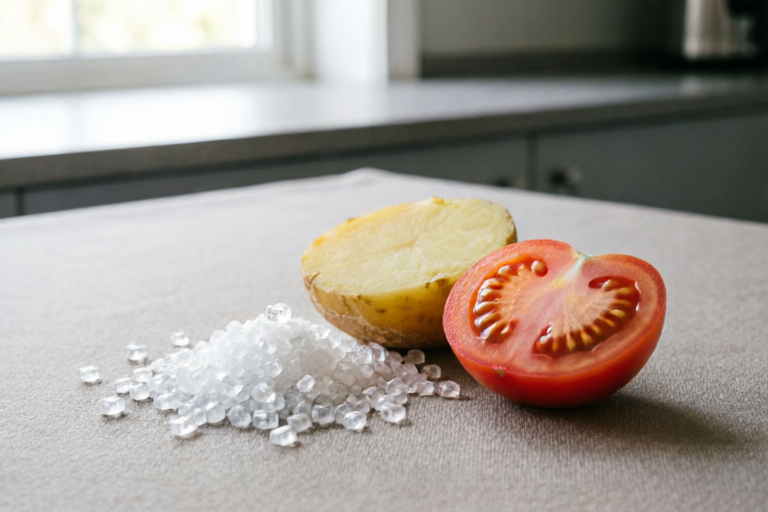
Why Does Salt Make Food Taste Better?
Unlock the Secret of Salt's Magic in Cooking
Introduction to the Role of Salt in Cooking
Salt has been an essential ingredient in culinary traditions around the world for thousands of years. From ancient civilizations to modern kitchens, salt has played a pivotal role in preserving food and enhancing its flavors. Understanding the impact of salt on taste is crucial for both professional chefs and home cooks alike. This article delves into the reasons why salt makes food taste better, exploring the science behind its effects on our taste buds and how it interacts with other ingredients.
Brief Overview of Salt's Importance in Culinary Traditions
In many cultures, salt was once considered a precious commodity due to its ability to preserve food and prevent spoilage. Today, salt remains a cornerstone of cooking, not just for preservation but also for its remarkable ability to enhance the flavors of food. Whether you're seasoning a simple salad or preparing a complex dish, the right amount of salt can make all the difference in the final product.
Explanation of Why Understanding Salt's Impact on Taste is Crucial
The importance of salt in cooking goes beyond mere seasoning. It plays a vital role in bringing out the natural flavors of ingredients and balancing their tastes. By understanding how salt works, cooks can create more harmonious and satisfying dishes that appeal to the palate.
The Science Behind Salt and Flavor Enhancement
To fully appreciate the magic of salt, it's important to understand the science behind it. Salt doesn't just add flavor; it actually changes the way we perceive taste. Let's dive deeper into how salt interacts with our taste buds and enhances the overall flavor profile of food.
How Salt Affects Our Taste Buds and Perception of Flavors
When we eat, our taste buds detect five basic tastes: sweet, sour, salty, bitter, and umami. Salt primarily stimulates the salty receptors on our tongue, but it also influences our perception of other tastes. For example, salt can reduce the bitterness of certain foods, making them more palatable. Additionally, salt can enhance the sweetness of fruits and desserts, creating a more balanced and enjoyable eating experience.
Interaction Between Salt and Other Ingredients to Enhance Overall Taste
Salt doesn't work alone; it interacts with other ingredients to create complex and delicious flavors. When combined with acids (like lemon juice or vinegar), salt can bring out the brightness of the dish. Similarly, when paired with sugars, salt can intensify the sweetness without making the food overly sweet. These interactions are what make salt such a versatile and indispensable ingredient in cooking.
Salt as a Balancer of Other Flavors
One of the most significant roles of salt in cooking is its ability to balance the flavors of a dish. Salt helps to harmonize sweet, sour, bitter, and umami flavors, ensuring that no single taste dominates the others. This balance is crucial for creating well-rounded and satisfying meals.
Role of Salt in Balancing Sweet, Sour, Bitter, and Umami Flavors
Sweet dishes often benefit from a small amount of salt, which can enhance the natural sweetness of the ingredients. In contrast, sour dishes like pickles or vinaigrettes may require more salt to counteract the acidity and provide a more balanced flavor profile. Similarly, bitter ingredients like coffee or dark chocolate can be made more palatable with the addition of salt. And umami-rich foods like soy sauce or Parmesan cheese are often enhanced by a sprinkle of salt.
Examples of Dishes Where Salt Plays a Critical Role in Flavor Balance
Consider a classic Caesar salad. The combination of tangy dressing, crunchy croutons, and creamy Parmesan cheese would be incomplete without a pinch of salt. The salt balances the acidity of the dressing, the richness of the cheese, and the crunchiness of the croutons, creating a symphony of flavors in every bite. Another example is a perfectly seasoned steak, where a light sprinkling of salt brings out the natural flavors of the meat while balancing its inherent fattiness.
The Psychological Impact of Salt on Eating Experience
Salt not only enhances the physical flavors of food but also has a profound psychological impact on our eating experience. It can influence our appetite, satisfaction, and even emotional responses to food.
Influence of Salt on Appetite and Food Satisfaction
Salt has been shown to stimulate the release of dopamine, a neurotransmitter associated with pleasure and reward. This can lead to increased appetite and a greater sense of satisfaction after eating. In fact, studies have found that people tend to eat more when their food is lightly salted, suggesting that salt can play a role in regulating hunger and fullness.
How Salt Can Trigger Emotional Responses Related to Comfort and Enjoyment
Many of us associate salt with comfort and enjoyment. Think about the comforting feeling of biting into a crispy, salty chip or savoring a rich, savory dish. These emotional responses are partly due to the psychological effects of salt, which can evoke feelings of nostalgia, warmth, and contentment. This emotional connection to salt is one reason why it remains such a beloved ingredient in so many cuisines.
Different Types of Salt and Their Effects
While all salts contain sodium chloride, different types of salt offer unique characteristics and uses in cooking. Understanding the differences between these salts can help you choose the right one for your recipes.
Comparison of Table Salt, Sea Salt, Kosher Salt, etc.
Table Salt: This is the most common type of salt used in households. It is highly refined and contains added iodine, which is important for thyroid health. Table salt dissolves quickly and is ideal for baking and precise measurements.
Sea Salt: Harvested from evaporated seawater, sea salt comes in various grades and textures. Fine sea salt is great for finishing dishes, while coarse sea salt is perfect for seasoning before cooking. Sea salt tends to have a slightly different flavor profile compared to table salt, with subtle mineral notes.
Kosher Salt: Known for its large, flaky crystals, kosher salt is popular among chefs for its easy-to-use texture. It dissolves slowly, allowing for more even seasoning. Kosher salt is often used in brining and rubs.
Unique Characteristics and Uses of Various Types of Salts in Cooking
Each type of salt has its own unique properties that make it suitable for specific applications. For instance, sea salt is excellent for finishing dishes, adding a delicate crunch and subtle flavor. On the other hand, kosher salt is ideal for salting meats and vegetables before cooking, as it adheres well and distributes evenly. Table salt, with its fine texture, is best for baking and when precision is required.
Conclusion: The Essentiality of Salt in Culinary Arts
In conclusion, salt is an indispensable ingredient in culinary arts. Its ability to enhance flavors, balance tastes, and stimulate appetite makes it a cornerstone of cooking. Whether you're a seasoned chef or a home cook, understanding the role of salt in your recipes can elevate your dishes to new heights. So the next time you reach for the salt shaker, remember that you're not just adding seasoning—you're unlocking the full potential of your meal.
Comments

Makes sense now. Salt really does make everything better.

Is there a rule of thumb for how much salt to add to a dish? Too much ruins everything, right?

This explains why I can't stop eating chips. The salt makes everything taste better!
So that's why adding a pinch of salt to desserts works wonders! It really brings out the sweetness.

I always thought salt just made food taste salty, but now I see it's way more complex. Thanks for the insight!

How does the type of salt affect the flavor? Does it really matter which one I use?
Wow, I never knew salt did so much more than just make things salty! This really explains why my grandma's cooking always tastes so balanced.