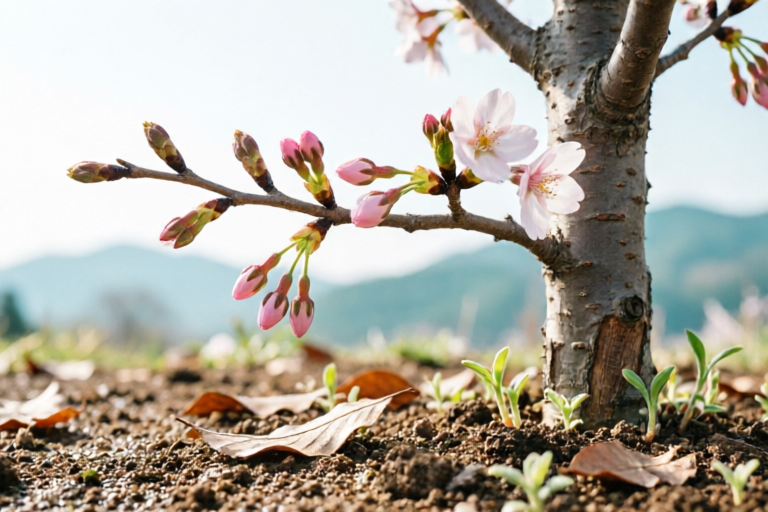
How Do Plants Know When to Bloom?
Unravel the Secrets Behind Plant Blooming
Introduction to Plant Blooming
Blooming is a crucial phase in the lifecycle of plants, marking the transition from vegetative growth to reproductive development. This process not only ensures the continuation of plant species but also plays a vital role in ecosystem balance by providing food and shelter for various organisms. Understanding what triggers blooming can provide insights into plant behavior and help us better manage our natural environments.
Definition of Blooming and Its Importance
Blooming refers to the period when flowers develop on a plant, leading up to seed production. It's an essential part of the reproductive cycle that allows plants to reproduce sexually. During this stage, plants produce attractive structures designed to attract pollinators such as bees, butterflies, birds, and bats. These animals transfer pollen between flowers, facilitating fertilization and ultimately resulting in the formation of seeds.
Overview of Factors Influencing Blooming Times
The timing of blooming varies among different plant species and is influenced by several external and internal factors. Some of these include temperature, light exposure, rainfall, soil conditions, genetic makeup, and hormonal signals within the plant itself. In this article, we will delve deeper into each of these aspects to understand how they contribute to the complex process of plant blooming.
Environmental Cues for Blooming
Plants rely heavily on environmental signals to determine when it's time to bloom. These cues are critical for ensuring that flowering occurs at optimal times for reproduction and survival.
The Role of Temperature in Triggering Flowering
Temperature plays a significant role in regulating the timing of flowering. Many plants have evolved to respond specifically to certain temperature ranges or changes over time. For example, some species may require a period of cold temperatures (vernalization) before they can flower, while others might need consistently warm weather to initiate the blooming process. Understanding these thermal requirements helps botanists predict flowering periods accurately and manage crop yields effectively.
How Light Exposure (Photoperiodism) Affects Blooming
Light exposure, particularly day length, influences whether a plant blooms or remains dormant. This phenomenon is known as photoperiodism. Short-day plants require less daylight than long-day plants do; conversely, long-day plants need more hours of sunlight per day compared to short-day ones. Some examples include chrysanthemums, which are short-day plants, and petunias, which are long-day plants. By manipulating light exposure, gardeners can control when certain flowers appear in their gardens.
The Impact of Rainfall and Soil Conditions on Flowering Timing
Adequate water supply through rainfall and favorable soil conditions are necessary for healthy plant growth and successful blooming. Insufficient moisture levels can delay flowering, whereas excessive water can lead to root rot and other issues detrimental to plant health. Similarly, nutrient-rich soils promote robust plant development, enabling them to produce vibrant flowers. Therefore, maintaining proper irrigation practices and soil fertility is crucial for optimal flowering outcomes.
Internal Biological Clocks in Plants
In addition to responding to external stimuli, plants possess internal mechanisms that regulate their physiological processes, including blooming. One such mechanism is the circadian rhythm, which acts like an internal clock guiding various functions throughout the day and night.
Explanation of Circadian Rhythms in Plants
Circadian rhythms refer to the approximately 24-hour cycles that govern numerous biological processes in living organisms, including plants. These rhythms allow plants to anticipate daily changes in their environment, such as sunrise and sunset, allowing them to adjust their metabolism accordingly. For instance, leaves may open during the day to maximize photosynthesis and close at night to conserve energy. Moreover, circadian rhythms play a pivotal role in orchestrating flowering events by coordinating gene expression related to reproductive development.
How Genetic Factors Influence Blooming Periods
Genetics also plays a crucial role in determining when a particular plant will bloom. Different species have evolved distinct genetic pathways responsible for initiating and controlling the flowering process. These genetic programs often involve intricate interactions between multiple genes and regulatory elements that fine-tune the timing of floral induction based on environmental inputs. For example, Arabidopsis thaliana, commonly studied in genetics research, has been found to contain specific genes involved in sensing day length and translating this information into appropriate developmental responses.
The Role of Hormones Like Florigen in Signaling the Start of Flowering
Hormonal signaling pathways are integral to the regulation of flowering. Among these, florigen stands out as one of the most important messengers. First discovered in the early 20th century, florigen is produced in the leaves of plants and travels through the phloem to reach the shoot apices where it promotes floral initiation. Research has shown that mutations in genes encoding components of the florigen pathway can result in altered flowering times, highlighting its central importance in this process.
Seasonal Changes and Their Influence
Seasonal variations significantly impact plant blooming, prompting adjustments in flowering strategies to ensure reproductive success.
How Plants Adapt to Seasonal Changes Through Phenology
Phenology refers to the study of periodic plant and animal life cycle events, particularly those influenced by seasonal changes. Plants have developed sophisticated mechanisms to synchronize their blooming with specific seasons, maximizing their chances of successful reproduction. For instance, many spring-blooming plants rely on vernalization—a process requiring prolonged cold periods—to initiate flowering, ensuring that they bloom when pollinators are abundant. Similarly, autumn-flowering species may delay their blooming until after summer droughts, taking advantage of cooler temperatures and increased precipitation.
The Importance of Synchronizing Blooming With Pollinator Availability
Timing is everything when it comes to attracting pollinators. Flowers that bloom too early or too late risk missing out on valuable pollination services provided by insects and other animals. Consequently, plants have evolved precise timing mechanisms to coincide with peak pollinator activity. For example, some orchids release fragrances only at dusk to attract nocturnal moths, while others produce nectar during midday when bees are most active. This synchronization enhances reproductive efficiency and contributes to biodiversity conservation efforts.
Case Studies of Specific Plants and Their Blooming Patterns
To illustrate how plants adapt to seasonal changes, let's examine two case studies involving well-known species:
- Rosa rugosa: This hardy rose variety thrives in coastal regions and exhibits remarkable resilience against harsh environmental conditions. Its ability to flower profusely even under challenging circumstances underscores the importance of adaptive strategies in promoting reproductive success.
- Camellia japonica: Native to East Asia, camellias are renowned for their stunning blossoms. Their blooming patterns closely align with local climates, demonstrating the intricate relationship between floral displays and ecological niches.
Human Impact on Plant Blooming
Human activities have profound effects on plant blooming, altering traditional patterns and posing challenges for conservation efforts.
Effects of Climate Change on Blooming Times
Climate change poses significant threats to global ecosystems, including disruptions to natural blooming cycles. Rising global temperatures can cause earlier or later blooming, potentially misaligning plants with their pollinators. Additionally, extreme weather events associated with climate change may damage delicate buds and flowers, reducing overall reproductive success. Scientists continue to monitor these shifts to better understand their implications for biodiversity.
Urbanization and Pollution Affecting Flowering Schedules
The expansion of cities and industrial activities introduces pollutants into the atmosphere, affecting air quality and soil composition. These alterations can disrupt normal blooming patterns by interfering with essential processes like photosynthesis and nutrient uptake. Furthermore, urban heat islands created by concrete structures and pavement can create microclimates that accelerate or delay flowering times. Addressing these issues requires integrated approaches combining environmental management and sustainable urban planning.
Strategies for Maintaining Natural Blooming Cycles Despite Environmental Changes
Despite ongoing challenges posed by human-induced environmental changes, there are several strategies available to preserve natural blooming cycles:
- Implementing green infrastructure projects that enhance urban biodiversity;
- Promoting organic farming practices that reduce chemical runoff;
- Supporting reforestation initiatives aimed at restoring native habitats;
- Encouraging citizen science programs that engage communities in monitoring local flora.
Conclusion and Future Research Directions
In conclusion, understanding how and why plants know when to bloom is crucial for maintaining healthy ecosystems and ensuring agricultural productivity. By exploring the interplay between environmental cues, internal biological clocks, and genetic programming, researchers gain valuable insights into optimizing plant performance under varying conditions. As we face increasing pressures from climate change and urbanization, continued studies focusing on these mechanisms will be essential for developing effective adaptation strategies.
Summary of Key Points Discussed
This article has explored various factors influencing plant blooming, including temperature, light exposure, genetic predispositions, and hormonal signals. We've also examined how seasonal changes affect flowering patterns and highlighted potential impacts of human activities on natural blooming cycles. Finally, we've considered future research directions aimed at deepening our comprehension of these fascinating processes.
Potential Areas for Further Investigation Into Plant Blooming Mechanisms
Future research could focus on refining models predicting flowering responses to changing environments, investigating novel genetic tools for manipulating blooming times, and exploring cross-disciplinary approaches integrating molecular biology, ecology, and climatology. Such endeavors promise to advance both theoretical knowledge and practical applications in horticulture and conservation biology.
Encouragement for Continued Study and Preservation of Natural Ecosystems
We encourage readers to stay informed about ongoing developments in this field and participate actively in preserving natural ecosystems. Whether through supporting local conservation organizations or adopting eco-friendly gardening practices, everyone can contribute positively towards maintaining vibrant and diverse plant communities worldwide.
Comments

Great article! I'd love to see more research on how plants adapt to changing environments.

Urban pollution must really mess with blooming cycles. We need more green spaces.
Phenology is such an interesting field. It's amazing how plants sync with pollinators.

I'm surprised to learn about the role of florigen. This is fascinating!

So, does that mean if I keep my houseplants in low light, they'll never bloom?

This explains why my daffodils bloom earlier every year. Climate change must be playing a role.
Wow, I always wondered how plants know when to bloom! Never knew it was so complex.