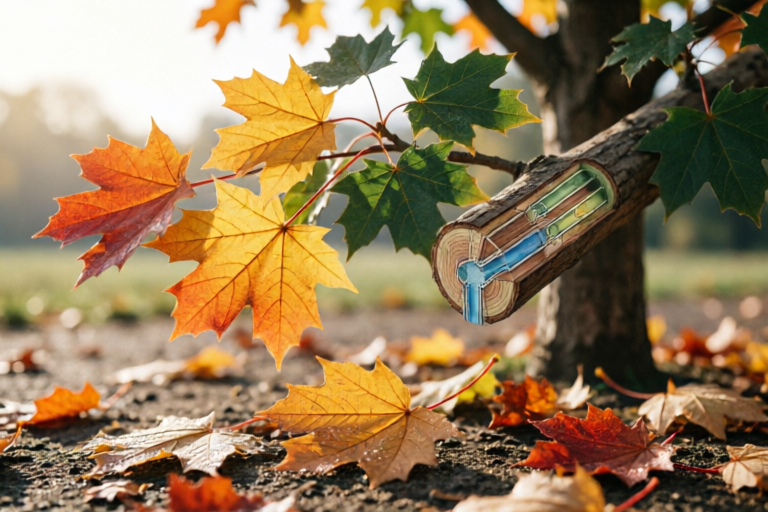
Why Do Leaves Change Color in Autumn?
Unlock the Secrets of Autumn's Splendor
Introduction to Leaf Color Changes
As summer fades into autumn, one of nature's most spectacular transformations unfolds: the changing colors of leaves. This annual event, known as leaf senescence, is a process that has intrigued humans for centuries. Understanding the mechanisms behind this natural phenomenon not only deepens our appreciation for the beauty of autumn but also provides insights into the intricate workings of plant biology.
Overview of Autumn Leaf Color Changes
During autumn, leaves transition from green to shades of yellow, orange, red, and even purple. This shift in color is primarily due to the breakdown of chlorophyll, the pigment responsible for photosynthesis. However, other pigments like carotenoids and anthocyanins play crucial roles in determining the final palette of autumn foliage.
Importance of Understanding This Natural Phenomenon
The study of leaf color changes helps us understand broader ecological processes, such as nutrient recycling and plant adaptation. It also highlights the interplay between genetics, environment, and seasonal changes, offering valuable lessons for agriculture and forestry management.
The Role of Chlorophyll
Chlorophyll is the primary pigment found in leaves and is essential for photosynthesis, the process by which plants convert light energy into chemical energy. During spring and summer, leaves produce large amounts of chlorophyll to maximize their ability to absorb sunlight and synthesize nutrients.
Explanation of Chlorophyll and Its Function in Leaves
Chlorophyll absorbs blue and red wavelengths of light while reflecting green, giving leaves their characteristic color. This pigment is housed within chloroplasts, specialized organelles in leaf cells where photosynthesis takes place. Chlorophyll's efficiency at capturing light ensures that plants can thrive during periods of abundant sunlight.
Why Chlorophyll Breaks Down in Autumn
As days shorten and temperatures drop in autumn, trees begin to prepare for winter dormancy. One of the first signs of this preparation is the cessation of chlorophyll production. Without new chlorophyll being synthesized, existing chlorophyll molecules gradually break down under the influence of light and enzymes. As chlorophyll degrades, it reveals other pigments present in the leaf, leading to the emergence of autumn colors.
Carotenoids and Anthocyanins
Besides chlorophyll, two other important classes of pigments contribute significantly to the spectrum of autumn colors: carotenoids and anthocyanins. These pigments have been present in leaves throughout the growing season but are masked by the abundance of chlorophyll.
Introduction to Carotenoids and Anthocyanins
Carotenoids: These pigments include beta-carotene (which gives carrots their orange color) and xanthophylls. They are responsible for the yellow and orange hues seen in many autumn leaves. Unlike chlorophyll, carotenoids do not degrade easily and persist in the leaf after chlorophyll breaks down.
Anthocyanins: These water-soluble pigments produce red, purple, and crimson colors. Anthocyanins are produced in response to specific conditions, particularly when sugar levels increase in the leaf and sunlight exposure decreases. They provide additional protection against UV radiation and oxidative stress, helping to shield the leaf during the vulnerable period of chlorophyll degradation.
How These Pigments Contribute to Leaf Colors
The combination of carotenoids and anthocyanins creates a diverse range of autumn colors. In some species, carotenoids alone produce bright yellows and oranges, while in others, the presence of both carotenoids and anthocyanins results in fiery reds and purples. The exact mix of pigments and their relative concentrations determine the final color of each leaf.
Environmental Factors Affecting Leaf Color
While genetic factors play a significant role in determining the types of pigments present in leaves, environmental conditions also influence the timing and intensity of autumn color changes.
Influence of Temperature, Sunlight, and Moisture
Temperature: Cool nights, especially those with temperatures just above freezing, enhance the production of anthocyanins, intensifying red and purple colors. Conversely, warmer temperatures can delay or reduce the production of these pigments, resulting in less vivid colors.
Sunlight: Abundant sunlight during the day promotes the production of sugars in leaves, which can stimulate anthocyanin synthesis. This is why sunny autumns often yield more vibrant reds compared to cloudy ones.
Moisture: Adequate soil moisture supports healthy leaf development throughout the growing season. Drought-stressed trees may exhibit duller colors or even premature leaf drop. Proper hydration ensures that leaves remain robust until they undergo senescence.
How These Factors Impact the Timing and Intensity of Color Change
The interplay of temperature, sunlight, and moisture determines when and how intensely leaves will change color. For instance, a dry summer followed by cool, sunny autumn days might lead to earlier and more intense displays of red and purple. On the other hand, wetter conditions or cloudy skies could result in later, less vivid color changes.
Evolutionary Reasons for Color Change
The evolution of autumn leaf color changes remains an area of active scientific inquiry. Several hypotheses have been proposed to explain why trees developed this trait, each suggesting potential benefits for survival and reproduction.
Hypotheses About Why Trees Evolved to Change Their Leaf Colors
Protection Against Herbivores: Some researchers suggest that bright autumn colors serve as a warning signal to herbivores, indicating that leaves are no longer nutritious and potentially toxic. This could deter animals from consuming the leaves, allowing trees to conserve resources for the next growing season.
UV Protection: Anthocyanins, which are responsible for red and purple hues, act as natural sunscreens. By producing these pigments, trees protect their leaves from harmful ultraviolet radiation, reducing DNA damage and promoting better health during the vulnerable period of chlorophyll breakdown.
Seed Dispersal: Another hypothesis posits that colorful leaves attract birds and other animals, which then aid in seed dispersal. Brightly colored foliage may draw attention to ripe fruits or seeds, increasing the likelihood of successful propagation.
Potential Benefits for Survival and Reproduction
Regardless of the specific mechanism, the evolutionary advantages of autumn leaf color changes likely revolve around optimizing resource allocation, protecting genetic material, and enhancing reproductive success. By shedding leaves efficiently and preparing for winter dormancy, trees ensure their long-term survival in temperate climates.
Conclusion: Appreciating Nature's Palette
The autumn leaf color change is a testament to the complexity and beauty of nature. From the breakdown of chlorophyll to the contributions of carotenoids and anthocyanins, and influenced by environmental factors and evolutionary adaptations, each leaf tells a story of survival and adaptation. As we observe the vibrant hues of autumn, let us take a moment to appreciate the intricate processes that create this stunning display. Whether you're hiking through a forest or simply enjoying the view from your window, take time to marvel at the splendor of nature's palette.
Comments

Great breakdown! It's fascinating how these colors help the tree prepare for winter.

Interesting how environmental factors play such a big role. Nature is so adaptable.

This explains why some years the colors are more vibrant than others.

I always thought it was just because it got cold. Cool to learn about the pigments too.

Every year I wonder why the leaves change color, finally got my answer!

So does this mean leaves could change color at different times if the weather is different each year?
Wow, never knew that chlorophyll breaking down was the main reason!