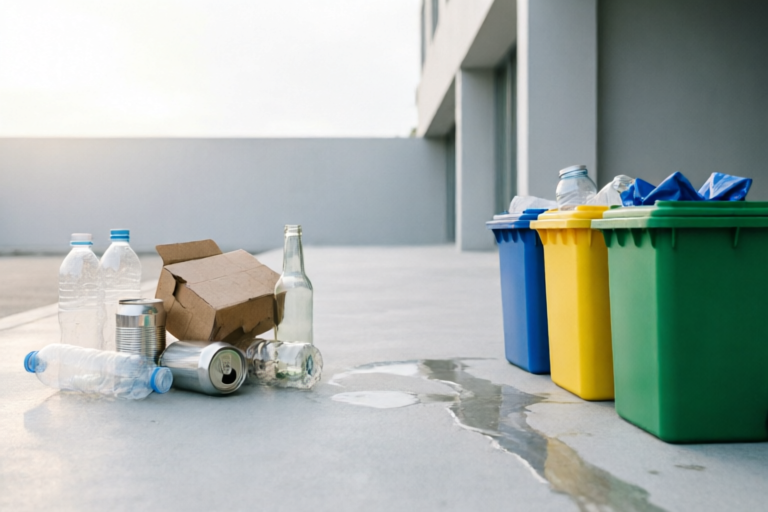
How Does Recycling Help Protect the Environment?
Recycle Today, Protect Tomorrow
Introduction to Recycling and Environmental Protection
Definition of Recycling: Recycling is the process of converting waste materials into new products. It is a vital component of environmental conservation, helping to reduce the amount of waste sent to landfills and conserve natural resources.
Importance of Recycling: Proper waste management is crucial for maintaining a healthy planet. By recycling, we can minimize the negative impact of waste on the environment, including pollution and the depletion of natural resources. Recycling also plays a significant role in reducing greenhouse gas emissions and promoting sustainable practices.
Reduces Waste in Landfills
Decreasing Landfill Volume: One of the most immediate benefits of recycling is its ability to reduce the amount of waste that ends up in landfills. When we recycle, we divert reusable materials from landfills, which are known for their negative environmental impacts.
Negative Effects of Landfills: Landfills contribute to soil and water pollution, release harmful gases, and take up valuable land space. For example, methane, a potent greenhouse gas, is produced as organic waste decomposes in landfills. By recycling, we can significantly decrease these adverse effects.
Conserves Natural Resources
Preserving Raw Materials: Recycling helps conserve natural resources by reducing the need to extract and process raw materials. This includes timber, water, and minerals, all of which are essential for manufacturing new products.
Examples of Resource Conservation: Recycling paper saves trees and reduces deforestation. Recycling aluminum cans conserves bauxite ore, which is used to produce aluminum. Additionally, recycling glass reduces the demand for silica sand, a key ingredient in glass production.
Saves Energy and Reduces Pollution
Energy Efficiency: Producing goods from recycled materials generally requires less energy than producing them from raw materials. For instance, recycling aluminum saves about 95% of the energy needed to produce aluminum from bauxite ore.
Reduced Pollution: Lower energy consumption in manufacturing processes translates to fewer emissions of air pollutants, such as carbon dioxide, sulfur dioxide, and nitrogen oxides. Recycling also helps reduce water pollution by decreasing the need for water-intensive processes associated with extracting and processing raw materials.
Promotes Economic Benefits and Job Creation
Economic Advantages: Recycling not only benefits the environment but also has significant economic advantages. Businesses can save money by using recycled materials, which are often cheaper than raw materials. Additionally, recycling can stimulate local economies by creating jobs in various sectors, including collection, sorting, and processing.
Job Creation: The recycling industry supports numerous jobs across different regions. From curbside collectors to factory workers who process recycled materials, recycling provides employment opportunities. Furthermore, the growth of the recycling industry can lead to the development of related sectors, such as renewable energy and sustainable technology.
Conclusion: The Role of Individual Action in Recycling Efforts
Summary of Key Points: Recycling is a powerful tool for protecting the environment. By reducing waste in landfills, conserving natural resources, saving energy, and promoting economic benefits, recycling helps create a more sustainable future. Each individual action counts in making a difference.
Encouragement for Readers: We encourage everyone to participate in recycling programs and make sustainable choices in their daily lives. Whether it's recycling paper, plastic, or metals, every small step contributes to a larger effort in preserving our planet for future generations.
Comments

Makes sense now. Recycling really does protect our planet in many ways.

This is amazing! I'm going to start composting too to reduce landfill waste.
Why is it that some cities have better recycling programs than others?

Never knew this! I'm definitely going to share this with my friends.

I've been trying to recycle more at home. It's surprising how much waste we generate.

How exactly does recycling reduce pollution? Can you explain that more?

This makes total sense. I always thought recycling was just about keeping trash out of landfills.

Wow, I never knew recycling could save so much energy! This really opens my eyes.