How Does Recycling Actually Work in Everyday Life?
Recycle Right, Live Sustainably
Introduction to Recycling
Definition and Importance of Recycling: Recycling is the process of converting waste materials into new products. It plays a crucial role in reducing waste sent to landfills, conserving natural resources, and decreasing pollution. By reusing materials, we reduce the need for virgin raw materials, which helps in saving energy and water.
Brief Overview of the Recycling Process: The recycling process typically involves several steps: collection, processing, manufacturing, and purchasing recycled products. Each step is essential in ensuring that waste is transformed into valuable resources.
Why Understanding Recycling is Crucial for Everyday Life: Understanding how recycling works can help individuals make informed decisions about waste management. It encourages responsible consumption and contributes to environmental sustainability.
The Recycling Process: From Collection to Sorting
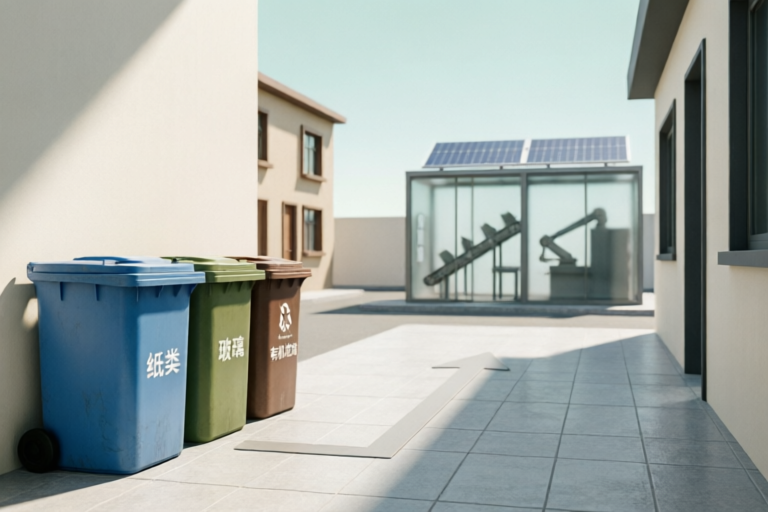
How Materials are Collected from Households and Businesses: Recycling materials are usually collected through curbside pickup or drop-off centers. In some areas, specialized bins are provided for different types of recyclables like plastics, papers, metals, and glass. Residents and businesses are encouraged to sort their waste correctly before disposal.
Detailed Explanation of Sorting Facilities and Machinery: Once collected, recyclables are transported to a sorting facility where they undergo a series of processes to separate them based on type and quality. This may include manual sorting by workers and automated systems using magnets, air jets, and optical scanners to identify and separate materials accurately.
Common Types of Materials that Can Be Recycled (Plastic, Paper, Glass, Metal): Different materials have varying recycling potentials. For instance, most types of paper and cardboard, aluminum cans, glass bottles, and certain plastics can be recycled multiple times without losing quality. However, not all plastics are recyclable, and some require specific conditions for proper recycling.
Challenges in Household Recycling
Misunderstandings About What Can and Cannot Be Recycled: One of the biggest challenges faced by households is confusion over what items are truly recyclable. Many believe that all plastics or electronics can be recycled easily, but this isn't always the case. It's important to check local guidelines as rules vary widely depending on location.
Common Mistakes People Make When Recycling at Home: Another frequent issue is contamination—when non-recyclable items end up mixed with recyclables. This can render entire batches unusable and increase costs associated with processing. To avoid this, ensure that food residues are cleaned off containers before placing them in the recycling bin.
Tips for Improving Household Recycling Practices: Educate yourself about local regulations regarding recycling; participate in community initiatives aimed at promoting better recycling habits; support companies that use recycled content in their products. By doing so, you contribute positively towards environmental conservation efforts.
Recycling in Public Spaces: Curbside Programs and Drop-off Centers
Explanation of Curbside Pickup Services: Curbside pickup is one of the most convenient ways for residents to recycle. Waste management companies provide designated bins where homeowners place their sorted recyclables. These collections happen regularly, making it easy for everyone to participate without much effort.
Overview of Drop-off Centers and Their Role in Recycling: For those living outside areas served by curbside service or needing to dispose of large quantities of recyclables, drop-off centers offer an alternative solution. These facilities accept various materials ranging from electronics to hazardous waste, providing additional options for proper disposal.
Benefits and Limitations of Different Collection Methods: While both methods serve vital roles in facilitating recycling, each has its pros and cons. Curbside pickups tend to encourage broader participation due to convenience but might face logistical challenges in densely populated urban environments. On the other hand, drop-off centers allow greater flexibility regarding the types of materials accepted but could discourage less motivated individuals from participating.
The Role of Technology in Modern Recycling
Innovations in Recycling Technology (e.g., AI Sorting, Advanced Recycling Techniques): Technological advancements continue to revolutionize the field of recycling. Artificial intelligence (AI) systems equipped with machine learning algorithms enable more accurate identification and separation of mixed waste streams. Additionally, novel approaches such as chemical recycling aim to break down complex polymers into simpler compounds, expanding the range of materials suitable for reuse.
How Technology Improves Efficiency and Reduces Contamination: Automation tools streamline operations within sorting plants, increasing throughput while minimizing errors caused by human intervention. Furthermore, sensors embedded throughout the system monitor conditions real-time, allowing operators to adjust settings dynamically to optimize performance continuously.
Future Trends in Recycling Technology: As society places greater emphasis on sustainability, expect further developments in this area. Expectations include smarter waste tracking solutions leveraging IoT devices to enhance transparency across supply chains, as well as bio-based alternatives designed specifically for easier decomposition post-use.
Conclusion: Making Recycling a Habit
Recap of Key Points Discussed in the Article: We've explored various aspects of the recycling journey—from initial collection through final transformation into usable goods. Along the way, we highlighted common misconceptions surrounding recyclability and offered practical advice on enhancing personal contributions toward greener lifestyles.
Encouragement for Readers to Take Action and Improve Their Recycling Habits: Small changes made consistently add up over time. Whether adjusting routines slightly or advocating for systemic shifts within communities, every effort counts towards achieving long-term goals related to waste reduction and resource preservation.
Final Thoughts on the Importance of Sustainable Practices in Daily Life: Ultimately, embracing eco-friendly behaviors contributes not only to individual well-being but also supports global efforts aimed at protecting our planet for future generations.
Comments

This makes me want to start composting too. Any tips on that?

Thanks for the info on drop-off centers. I didn't know there were so many options!

Is it true that some plastics are harder to recycle than others? Like #5 plastics?

Great tips for better household recycling. Going to share this with my family.

AI sorting sounds amazing! Can't wait for more tech advancements in recycling.

I always mix up what can and can't be recycled. This really helps!
How do they sort out all those tiny pieces of plastic though? That must be tricky.

Wow, never knew recycling was such a complex process! I always just put stuff in the bin and hoped for the best.