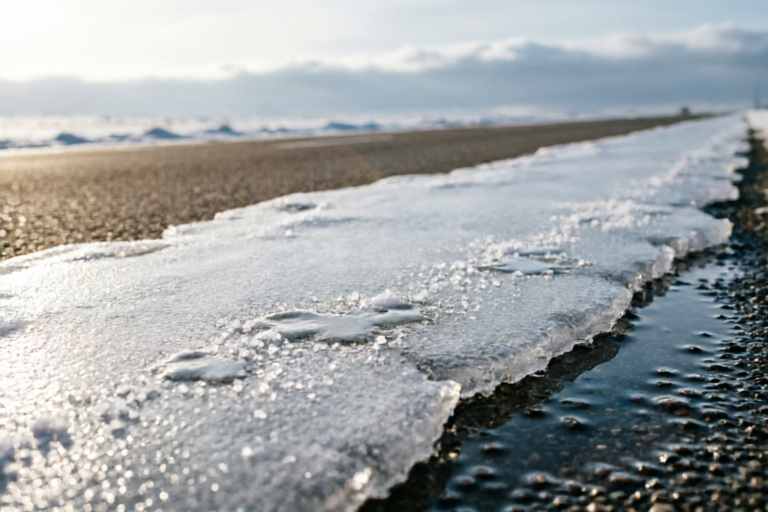
Why Does Salt Melt Ice on Roads?
Understanding the Science Behind Winter Road Maintenance
### Article Outline: Why Does Salt Melt Ice on Roads?
1. Introduction to the Problem
Brief overview of winter road maintenance challenges: Winter road maintenance is a critical task that ensures safe travel during snowy and icy conditions. The primary challenge is maintaining road surfaces free from ice and snow, which can be hazardous to drivers and pedestrians alike.
Importance of deicing agents in ensuring safe travel: Deicing agents, particularly salt, play a crucial role in preventing accidents by reducing the risk of vehicles sliding or skidding on icy roads. Proper application of these agents helps maintain road safety and reduces the likelihood of traffic disruptions.
2. How Salt Works to Melt Ice
Explanation of the freezing point depression principle: Salt lowers the freezing point of water, making it more difficult for ice to form. This principle is known as freezing point depression. When salt is applied to ice-covered surfaces, it disrupts the formation of ice crystals, causing them to melt even at temperatures below 0°C.
Interaction between salt and ice at a molecular level: At the molecular level, when salt dissolves in water, it dissociates into ions. These ions interfere with the structure of ice crystals, preventing them from forming a solid lattice. As a result, the ice melts, and the salt solution remains liquid, further delaying the refreezing process.
3. Types of Salt Used for Deicing Roads
Common types of salts used (sodium chloride, calcium chloride): Sodium chloride, commonly known as rock salt, is the most widely used deicing agent due to its low cost and effectiveness. Calcium chloride, another common option, is more effective at lower temperatures because it absorbs moisture from the air, generating heat through an exothermic reaction.
Comparison with other deicing agents like magnesium chloride: Magnesium chloride is often used as an alternative to sodium chloride because it is less corrosive to metals and concrete. It also has a lower freezing point than sodium chloride, making it more effective in extremely cold conditions. However, it is generally more expensive.
4. Environmental Impact of Road Salting
Effects on water ecosystems and plant life: Excessive use of road salt can lead to contamination of water bodies, affecting aquatic life and ecosystems. High concentrations of salt can harm plants, leading to reduced growth and increased susceptibility to diseases. Additionally, salt runoff can contaminate groundwater, impacting drinking water supplies.
Long-term consequences for soil and groundwater: Over time, repeated applications of road salt can alter the chemical composition of soil, reducing its fertility and affecting the health of vegetation. Groundwater contamination can have long-lasting impacts on local ecosystems and human health, necessitating careful management of salt usage.
5. Alternatives to Traditional Salt for Deicing
Discussion of eco-friendly alternatives (beet juice, sand): In recent years, there has been a growing interest in eco-friendly deicing alternatives that minimize environmental damage. Beet juice concentrate, for example, is gaining popularity due to its ability to lower the freezing point of water and reduce the amount of salt needed. Sand is another option that provides traction without the harmful effects of salt.
Pros and cons of alternative methods: While eco-friendly alternatives offer benefits such as reduced environmental impact and improved safety, they may not be as effective as traditional salts in all conditions. Additionally, some alternatives can be more expensive and require specialized equipment for application. It's important to weigh the pros and cons based on specific needs and circumstances.
6. Conclusion and Best Practices
Summary of key points discussed: Salt is an effective deicing agent that works by lowering the freezing point of water, disrupting the formation of ice crystals. Different types of salts, including sodium chloride, calcium chloride, and magnesium chloride, are commonly used, each with its own advantages and disadvantages. However, excessive use of road salt can have significant environmental impacts, prompting the exploration of eco-friendly alternatives.
Recommendations for effective and responsible use of deicing materials: To ensure safe and environmentally friendly winter road maintenance, it's essential to use deicing materials judiciously. Employing a combination of traditional salts and eco-friendly alternatives, along with proper application techniques, can help minimize environmental damage while maintaining road safety. Regular monitoring and evaluation of deicing strategies will further enhance their effectiveness and sustainability.
Comments

Makes sense now. I always thought the salt just made the ice go away, but it's actually lowering the freezing point. Cool stuff!

The molecular interaction between salt and ice is fascinating. I wonder if there are any other substances that work better than salt.

I had no idea that road salting could harm plants and wildlife. Is there anything we as citizens can do to help reduce its impact?

As someone who works on road maintenance, this is spot on. We use different types of salts depending on the weather conditions.
I'm glad there are eco-friendly alternatives like beet juice. The environmental impact of traditional salt is quite concerning.

Interesting! I always wondered how they keep the roads clear during winter. Thanks for explaining the science behind it.

Wow, never knew that salt lowers the freezing point of water! This explains why roads get slushy after they sprinkle salt.