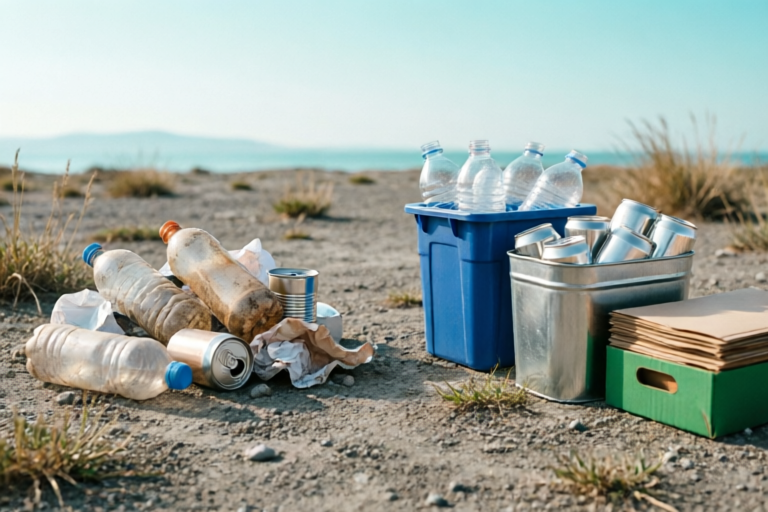
Why Does Recycling Help Protect Our Environment?
Recycle Today, Protect Tomorrow
1. Introduction to Recycling and Its Importance
Definition of Recycling: Recycling is the process of converting waste materials into new products. This practice is essential for environmental conservation as it helps reduce the depletion of natural resources and minimizes the impact of waste on the environment.
Brief Overview of Waste Management Globally: Currently, waste management practices vary widely across the globe. While some regions have robust recycling programs, others struggle with inadequate waste disposal methods. According to the World Bank, global waste generation is expected to increase by 70% by 2050, highlighting the urgent need for effective recycling initiatives.
2. Reduces Landfill Waste
Decreasing Landfill Waste: One of the most significant benefits of recycling is its ability to decrease the amount of waste sent to landfills. By reusing materials, we can significantly reduce the volume of waste that ends up in these sites.
Negative Impacts of Landfills: Landfills are notorious for their adverse effects on the environment. They contribute to soil contamination, water pollution, and air quality degradation. Methane, a potent greenhouse gas, is released when organic waste decomposes in landfills, further exacerbating climate change. Recycling helps mitigate these issues by diverting waste away from landfills and promoting more sustainable waste management practices.
3. Conserves Natural Resources
Preserving Raw Materials: Recycling plays a vital role in preserving natural resources such as timber, water, and minerals. For instance, recycling one ton of paper saves approximately 17 trees, 7,000 gallons of water, and 3 cubic yards of landfill space. Similarly, recycling aluminum cans saves 95% of the energy required to produce new aluminum from raw materials.
Examples of Specific Resources Saved: Here are some specific examples of resources saved through recycling:
- Recycling one glass bottle saves enough energy to power a computer for 25 minutes.
- Recycling one plastic bottle can save enough energy to light a 60-watt bulb for six hours.
- Recycling one ton of steel saves 2,500 pounds of iron ore, 1,400 pounds of coal, and 120 pounds of limestone.
4. Saves Energy and Reduces Pollution
Energy Savings: Manufacturing products from recycled materials typically requires less energy than producing them from raw materials. For example, recycling aluminum saves 95% of the energy needed to extract and process new aluminum. Similarly, recycling paper saves about 60% of the energy used to produce paper from virgin wood pulp.
Reduction of Greenhouse Gas Emissions: Recycling not only conserves energy but also reduces greenhouse gas emissions. The production of goods from recycled materials generally produces fewer emissions than manufacturing from raw materials. For instance, recycling one ton of paper reduces carbon dioxide emissions by 1.5 tons. Additionally, recycling helps reduce the release of methane, a potent greenhouse gas, from landfills.
5. Promotes Economic Benefits
Economic Advantages: Recycling also brings significant economic benefits. It creates jobs in collection, processing, and manufacturing sectors. In the United States alone, the recycling industry employs over 750,000 people. Furthermore, recycling can lead to cost savings for businesses by reducing waste disposal fees and purchasing new raw materials.
Sustainable Economic Development: Recycling supports sustainable economic development by fostering innovation and encouraging the use of renewable resources. As recycling technologies continue to advance, they provide opportunities for entrepreneurs and businesses to develop new products and services that promote environmental stewardship.
6. Conclusion: The Role of Individual Action in Recycling
Recap of Key Points: Recycling is a powerful tool for environmental conservation. It helps reduce landfill waste, conserve natural resources, save energy, reduce pollution, and promote economic benefits. By participating in recycling programs and making conscious choices about waste management, individuals can contribute to a healthier planet.
Encouragement for Personal Responsibility: While governments and organizations play a crucial role in promoting recycling, individual action is equally important. By taking personal responsibility for recycling efforts within your community, you can help drive positive change. Start by educating yourself about local recycling programs, properly sorting recyclables, and advocating for better waste management policies. Together, we can create a more sustainable future for generations to come.
Comments

So, if we all recycle, will it really make a difference in protecting our environment?

Great breakdown! It's inspiring to see how small actions can lead to big changes.

Never knew this! I'm definitely going to start recycling more now.

It's amazing how recycling can create jobs and save businesses money. Never thought about that.

How exactly does recycling reduce pollution? I'd love to know more about the science behind it.

I always thought recycling was just about reducing landfill waste. But conserving natural resources is huge too.

Wow, I never realized recycling could save so much energy! This really opens my eyes.