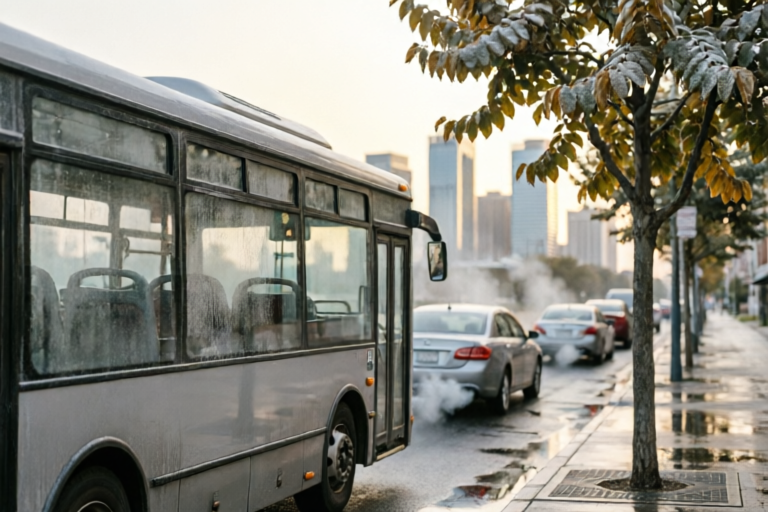
How Does Air Pollution Affect Travelers' Health?
Breathe Wisely While Traveling
Introduction to Air Pollution and Traveling
Air pollution refers to the presence of harmful substances in the atmosphere that can negatively affect human health, ecosystems, and climate. When we travel, especially to unfamiliar environments, we are exposed to varying levels of these pollutants. Understanding how air pollution affects travelers is crucial for ensuring a healthy and enjoyable trip.
Definition of Air Pollution
Air pollution consists of particulate matter, nitrogen oxides, sulfur dioxide, ozone, and other chemicals that can harm our respiratory system. These pollutants originate from various sources such as industrial emissions, vehicle exhaust, and natural events like wildfires.
Overview of Travel and Pollution Exposure
Travelers often visit urban centers or regions with heavy industrial activity, increasing their exposure to higher concentrations of pollutants. Even short-term exposure can have significant health implications, particularly for individuals with pre-existing conditions.
Importance of Understanding the Impact on Health for Travelers
Being aware of the potential health risks associated with air pollution allows travelers to take necessary precautions and make informed decisions about their destinations and activities.
Common Health Risks Associated with Air Pollution Exposure
Exposure to polluted air can lead to a range of health issues, both acute and chronic. Here are some of the most common risks:
Respiratory Issues (Asthma, Bronchitis)
Short-term exposure to high levels of air pollution can exacerbate existing respiratory conditions like asthma and bronchitis. Symptoms may include coughing, wheezing, and difficulty breathing.
Cardiovascular Problems (Heart Attacks, Stroke)
Long-term exposure to air pollution has been linked to an increased risk of heart disease, stroke, and other cardiovascular issues. Pollutants can cause inflammation and damage to blood vessels, leading to serious health complications.
Skin Irritation and Allergies
Some pollutants can irritate the skin, causing rashes, itching, and allergic reactions. Those with sensitive skin or existing dermatological conditions may be more susceptible.
Mental Health Effects (Stress, Anxiety)
Research suggests that prolonged exposure to poor air quality can also impact mental health, contributing to stress, anxiety, and even depression.
Specific Regions and Their Pollution Levels
Different regions around the world experience varying levels of air pollution, depending on factors such as population density, industrial activity, and geographical location.
Urban vs Rural Areas
Urban environments typically have higher levels of air pollution due to traffic congestion and industrial activities. In contrast, rural areas generally have cleaner air but may still face challenges from agricultural practices or seasonal wildfires.
Industrial Zones and Tourist Hotspots
Industrial zones and popular tourist destinations can present unique challenges. Tourists visiting these areas should be aware of potential exposure to elevated levels of pollutants.
Seasonal Variations in Pollution Levels
Seasonal changes can significantly affect air quality. For example, certain regions experience higher pollution levels during winter due to increased heating demands, while others may see spikes in summer due to heatwaves and stagnant air.
Precautions and Preventive Measures for Travelers
To minimize the risks associated with air pollution, travelers can take several practical steps:
Checking Pollution Forecasts Before Traveling
Before embarking on a trip, it's essential to check local air quality reports and forecasts. Websites and apps provide real-time data on pollution levels, helping you plan your itinerary accordingly.
Choosing Appropriate Clothing and Masks
Wearing protective gear such as masks and covering exposed skin can help reduce direct contact with pollutants. Look for masks certified for filtering out fine particulate matter.
Avoiding Peak Pollution Hours and Locations
Stay away from busy streets and industrial areas during rush hour when pollution levels tend to be highest. Opt for less crowded times and places to enjoy your trip safely.
Maintaining Good Hygiene Practices
Regular hand washing and avoiding touching your face can prevent the transfer of pollutants from your hands to your mouth or eyes.
Impact on Different Types of Travelers (Children, Elderly, People with Chronic Conditions)
Some groups are more vulnerable to the adverse effects of air pollution than others.
Vulnerability Factors for Children and Elderly
Children and the elderly are particularly susceptible to the health risks posed by air pollution. Their developing or weakened immune systems make them more vulnerable to respiratory infections and other complications.
Special Considerations for Those with Pre-existing Conditions
Individuals with chronic conditions such as asthma, diabetes, or heart disease should exercise extra caution when traveling to polluted areas. Consult your healthcare provider before planning trips to high-risk locations.
Recommendations for Minimizing Risks During Travel
For vulnerable travelers, it's advisable to choose destinations with better air quality and plan activities that limit outdoor exposure. Additionally, carrying necessary medications and staying hydrated can help mitigate the effects of pollution.
Conclusion and Final Thoughts
In conclusion, air pollution poses significant health risks to travelers, ranging from respiratory issues to cardiovascular problems. By being informed about regional pollution levels and taking appropriate precautions, you can protect your health while enjoying your travels. Let's work together towards a future where cleaner air is accessible to all, promoting healthier and more sustainable travel experiences.
Comments

This is super useful. I'll make sure to plan my trips better and avoid peak pollution times.

It's amazing how much impact our travel choices can have. We need to be more responsible.

Never knew this! I'll start wearing masks when visiting industrial zones from now on.

Why do seasonal variations matter so much? Is it just because of temperature changes or is there more to it?
As someone who travels with my elderly parents, I'm glad I know what to look out for now. Thanks for the tips!

Urban areas definitely seem more polluted than rural ones. Makes sense why cities have more health issues.

I always check the weather before I travel, but I never thought about checking pollution levels. This is really helpful.
Wow, I had no idea air pollution could affect mental health too. Always thought it was just physical stuff. Great info!