Why Do Cats Purr? Exploring the Mystery
Uncover the secrets behind your feline friend's purrs
Introduction to Cat Purring
Definition and commonality of purring in cats: Purring is a soft, rhythmic vibration produced by domestic cats, wildcats, and some other mammals like raccoons and guinea pigs. It's one of the most iconic sounds associated with cats, often linked to contentment and relaxation.
Brief history and evolution of cat purring: The exact evolutionary origin of purring remains unclear, but it is believed to have developed as a form of communication between mother cats and their kittens. Kittens start purring shortly after birth, which helps them locate their mothers and receive milk. Over time, adult cats may have retained this behavior as a way to communicate with humans and other animals.
Importance of understanding why cats purr: Understanding the reasons behind a cat's purring can help owners provide better care and build stronger bonds with their pets. By recognizing different contexts in which cats purr, we can better interpret their emotional states and needs.
The Science Behind Cat Purring
Explanation of how purring is produced (vocal cords, diaphragm): Purring occurs when the laryngeal muscles contract and relax rapidly, causing the vocal cords to vibrate. This vibration is synchronized with the movement of the diaphragm, creating the characteristic low-frequency sound. The frequency of a cat's purr typically ranges from 25 to 150 Hertz.
Frequency range and physiological benefits of purring: Cats' purring frequency falls within a range that promotes healing and bone density maintenance. Research suggests that the vibrations can stimulate tissue growth, reduce inflammation, and improve overall health. Additionally, the low-frequency vibrations may contribute to stress reduction and pain relief.
Comparison with other animal vocalizations: While many animals produce sounds for communication, few exhibit the unique combination of low-frequency vibrations seen in cat purring. Some other animals, like rabbits and guinea pigs, also purr, but their mechanisms and purposes may differ. For instance, rabbits purr as a sign of contentment or submission, while guinea pigs use it to indicate distress.
Common Reasons for Cat Purring
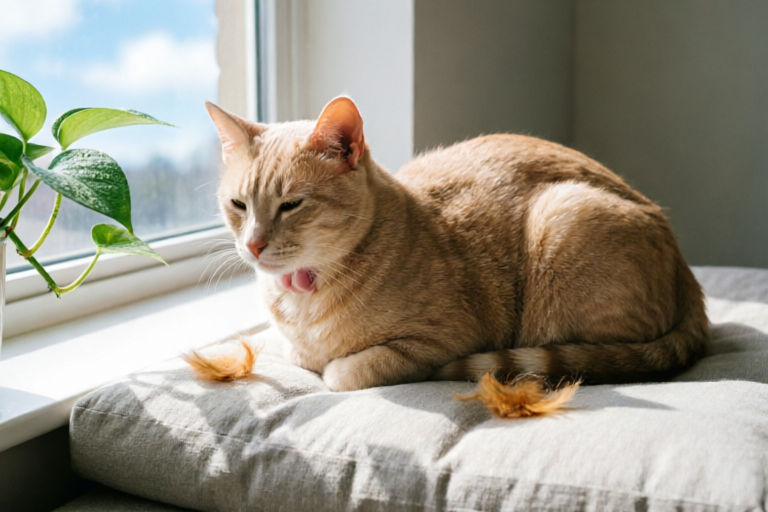
Contentment and relaxation: One of the most well-known reasons for purring is when a cat feels comfortable and relaxed. This could be during petting, cuddling, or simply lounging in a sunny spot. In these situations, the cat is likely expressing happiness and satisfaction.
Healing and pain relief: Interestingly, cats often purr when they're injured or unwell. This could be an adaptive mechanism that helps them heal faster. The vibrations generated by purring may promote bone density, reduce inflammation, and alleviate pain.
Communication with humans and other animals: Cats use purring as a means of communication, not only with humans but also with other animals. They might purr to signal submission, seek attention, or even to express affection. In multi-cat households, cats may purr to establish social bonds and maintain harmony.
Stress reduction and self-soothing mechanisms: Purring can serve as a self-soothing mechanism for cats, helping them cope with stressful situations. When faced with anxiety or fear, a cat may purr to calm itself down and feel more secure.
Purring in Different Contexts
Purring during feeding or petting: Many cat owners have noticed their pets purring during feeding or when being petted. This indicates that the cat is enjoying the interaction and feeling content. However, it's important to note that purring doesn't always mean the cat is happy. Sometimes, cats may purr to manipulate their owners into providing food or attention.
Purring when in pain or distress: Contrary to popular belief, cats don't always stop purring when they're in pain. In fact, they may purr more frequently in such situations as a way to self-soothe or signal their discomfort to others. If you notice your cat purring excessively and seems distressed, it's essential to consult a veterinarian to rule out any underlying health issues.
Purring as a social behavior among cats: In multi-cat households, cats often engage in mutual grooming and purring to strengthen social bonds. This behavior helps establish trust and cooperation within the group. Additionally, cats may purr when they're near each other, even if they're not physically interacting, as a way to maintain social harmony.
Purring in response to certain stimuli: Cats are highly sensitive to their environment, and they may purr in response to specific stimuli. For example, they might purr when hearing familiar sounds, such as the opening of a food container or the sound of running water. These purrs could be a way for cats to express their anticipation or excitement.
Potential Health Benefits for Humans
Studies on the effects of cat purring on human health: Several studies have investigated the potential health benefits of cat purring for humans. Researchers have found that the vibrations produced by a cat's purr can lower blood pressure, reduce stress, and improve mood. Additionally, the calming effect of purring may help alleviate symptoms of anxiety and depression.
Stress reduction and improved mood: The soothing nature of cat purring has been shown to reduce stress levels in humans. Spending time with a purring cat can lead to increased feelings of happiness and relaxation. This is particularly beneficial for individuals who suffer from chronic stress or anxiety disorders.
Possible therapeutic applications of cat purring: Given the positive effects of cat purring on human health, there's growing interest in exploring its therapeutic potential. Some researchers are investigating whether cat purring could be used as a complementary therapy for conditions such as hypertension, insomnia, and chronic pain. While more research is needed, the preliminary findings are promising.
Conclusion and Final Thoughts
Recap of key points discussed: Throughout this article, we've explored the various aspects of cat purring, including its definition, evolution, scientific basis, and common reasons. We've also delved into the potential health benefits of cat purring for both cats and humans. By understanding the nuances of purring, cat owners can better interpret their pets' emotions and needs.
Encouragement for further research and exploration: While we've covered a lot of ground, there's still much to learn about the complex world of cat purring. Future research could focus on uncovering the exact mechanisms behind purring's healing properties and exploring its therapeutic potential for humans. As our knowledge grows, so too will our ability to care for and understand our feline companions.
Tips for cat owners to better understand their pets' purring: To deepen your connection with your cat, pay close attention to the context in which they purr. Observe their body language, behavior, and surroundings to gain insights into what triggers their purring. Additionally, consider keeping a journal to track your cat's purring patterns and any corresponding events. This can help you identify specific triggers and respond accordingly, ensuring your cat feels loved and understood.
Comments

Interesting! Could purring have any negative effects on a cat's health?

This explains why my cat purrs even when she's stressed out. It's like her way of calming herself.

Never knew this! Cats really are mysterious creatures.

I've heard that purring helps cats recover faster from injuries. Is that true?
My cat purrs like crazy when I'm petting her. It's so relaxing for both of us.

How come some cats don't purr at all? Is there something different about them?
Wow, I always thought my cat was just being happy but who knew it could also be healing itself!