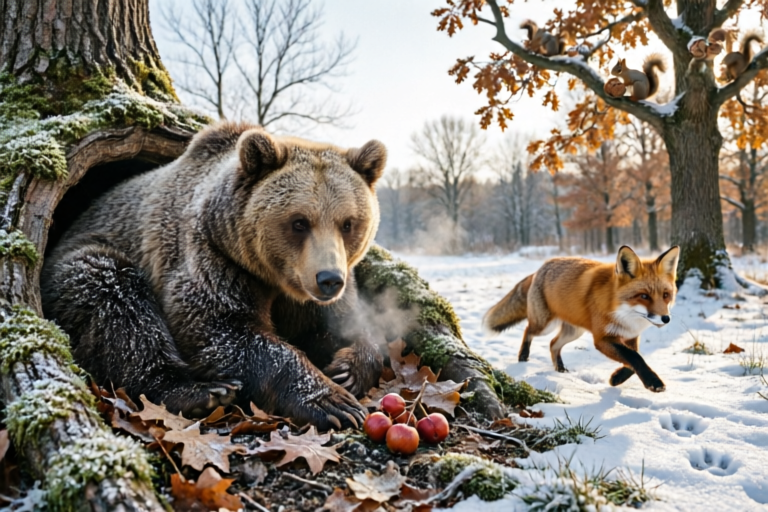
Why Do Some Animals Hibernate While Others Don't?
Understanding Hibernation: Nature's Winter Survival Strategy
Introduction to Hibernation
Hibernation is a state of inactivity and metabolic depression in animals, characterized by reduced body temperature, slowed breathing, and lower heart rate. This process allows animals to conserve energy during periods when food is scarce or environmental conditions are harsh. For many species, hibernation is a crucial survival strategy, enabling them to endure long winter months without access to food.
Definition and Basic Understanding
Hibernation is not just about sleeping deeply; it involves significant physiological changes that help animals survive extended periods of fasting. During hibernation, an animal's metabolism slows down dramatically, allowing it to live off stored fat reserves. This adaptation is particularly important for small mammals like ground squirrels and bats, which might otherwise struggle to find enough food to sustain themselves through the winter.
Importance of Hibernation in Animal Survival Strategies
For many species, especially those living in regions with extreme seasonal changes, hibernation can mean the difference between life and death. By entering a state of dormancy, these animals reduce their need for food and water, making it possible to survive months without eating. Additionally, hibernation helps protect against predators by reducing movement and making the hibernating animal less noticeable.
Physiological Adaptations for Hibernation
To successfully hibernate, animals must undergo several physiological changes that allow them to survive for extended periods without food or water. These adaptations include:
Metabolic Rate Reduction
During hibernation, an animal's metabolic rate drops significantly, often to as little as 5% of its normal level. This dramatic reduction in metabolic activity means that the animal requires far less energy to maintain vital functions. As a result, hibernating animals can survive on their stored fat reserves for weeks or even months.
Body Temperature Regulation
One of the most striking features of hibernation is the ability of some animals to lower their body temperature to near freezing levels. For example, ground squirrels can reduce their core body temperature from around 37°C (98.6°F) to as low as 2°C (35.6°F). This reduction in body temperature slows down chemical reactions within the body, further conserving energy.
Energy Storage Techniques
Before entering hibernation, many animals increase their intake of food and store it as fat. Bears, for instance, can gain hundreds of pounds in the weeks leading up to winter, building up enough fat to last them through several months of hibernation. Other animals, such as bats, rely on torpor—a shorter-term form of hibernation—to get through cold nights, where they may only use up a small portion of their fat stores each night.
Environmental Triggers for Hibernation
The decision to enter hibernation is influenced by a variety of environmental factors, including seasonal changes, food availability, and daylight hours. Understanding these triggers can provide insight into why certain animals hibernate while others do not.
Seasonal Changes Affecting Hibernation Cycles
Many animals have evolved to respond to seasonal changes, such as decreasing temperatures and shorter days, by entering hibernation. In temperate regions, the onset of autumn signals the beginning of hibernation season for many species. As the weather becomes colder and food sources become scarce, animals begin to prepare for the long winter ahead.
Impact of Food Availability on Hibernation Behavior
Food scarcity is one of the primary drivers of hibernation. When food becomes difficult to find, animals may enter a state of dormancy to avoid expending energy on searching for food that isn't available. For example, some species of bats will hibernate in caves or other protected areas when insect populations decline in the fall.
Role of Daylight Hours in Triggering Hibernation
Changes in daylight hours, known as photoperiodism, play a critical role in regulating hibernation cycles. Many animals are sensitive to the length of day and night, and as daylight hours decrease in the fall, it triggers hormonal changes that prepare the body for hibernation. This internal clock helps ensure that animals enter hibernation at the right time to maximize their chances of survival.
Species-Specific Hibernation Patterns
Not all animals hibernate, and those that do often exhibit different patterns depending on their species. Understanding these variations can shed light on the evolutionary pressures that have shaped hibernation behaviors.
Examples of Mammals That Hibernate
Bears are perhaps the most well-known hibernators, but there are many other mammals that also undergo this process. Ground squirrels, bats, and hedgehogs are just a few examples. Each of these species has developed unique adaptations to survive hibernation, such as the ability to slow their heart rate to just a few beats per minute or to lower their body temperature to near freezing.
Non-Hibernating Species and Their Alternative Survival Strategies
While many mammals hibernate, others have evolved different strategies for surviving harsh winters. Some animals, like deer, migrate to warmer climates, while others, such as birds, fly south for the winter. Still others, like squirrels, cache food throughout the year to ensure they have enough to eat during the winter months. These alternative strategies demonstrate the diversity of survival mechanisms that have evolved in response to environmental challenges.
Evolutionary Reasons Behind Different Hibernation Behaviors
The evolution of hibernation is closely tied to environmental conditions and the availability of resources. In regions where food is scarce during certain times of the year, natural selection favors individuals that can conserve energy by entering a state of dormancy. Over time, this trait becomes more common in the population, leading to the development of specialized hibernation behaviors.
Benefits and Risks of Hibernation
Hibernation offers numerous benefits for survival, but it also comes with potential risks that animals must navigate.
Advantages of Hibernation for Survival
The primary advantage of hibernation is the ability to conserve energy during periods of food scarcity. By reducing their metabolic rate and lowering their body temperature, hibernating animals can survive for extended periods without eating. This adaptation allows them to outlast harsh environmental conditions, ensuring their survival until more favorable times arrive.
Potential Risks Associated with Hibernation
While hibernation is an effective survival strategy, it does come with risks. One of the main dangers is predation, as hibernating animals are often vulnerable due to their reduced mobility and lowered body temperature. Additionally, there is always the risk of starvation if an animal fails to build up sufficient fat reserves before entering hibernation. In some cases, animals may also face disturbances from human activities, such as construction or habitat destruction, which can disrupt their hibernation cycle.
Conclusion: Understanding the Diversity of Animal Survival Strategies
In conclusion, hibernation is a remarkable survival strategy that has evolved in response to environmental challenges. By understanding the physiological adaptations, environmental triggers, and species-specific patterns of hibernation, we can gain valuable insights into the diverse ways that animals have adapted to their environments. As we continue to study hibernation, future research may uncover new information about how these processes work and how they can be applied to benefit both wildlife conservation efforts and human health.
Recap of Key Points Discussed
This article explored the definition and importance of hibernation, the physiological adaptations that enable it, the environmental triggers that initiate it, and the species-specific patterns of hibernation. We also examined the benefits and risks associated with hibernation and considered the implications for conservation efforts.
Future Research Directions in Hibernation Studies
As our understanding of hibernation continues to grow, researchers are exploring new areas of inquiry. For example, scientists are investigating the genetic basis of hibernation and how it might be used to develop treatments for human diseases. They are also studying the effects of climate change on hibernating species and how conservation efforts can help protect these animals.
Implications for Conservation Efforts
Understanding hibernation is crucial for developing effective conservation strategies. By protecting hibernation habitats and ensuring that animals have access to the resources they need, we can help ensure the survival of hibernating species. Additionally, raising awareness about the importance of hibernation can encourage people to take steps to minimize disruptions to hibernating animals, such as avoiding noise pollution or habitat destruction during hibernation season.
Comments

Really interesting. This could help in protecting hibernating species from disturbances.

Great read! I'm curious about how this affects ecosystems when certain species are dormant.

This explains why we don't see many squirrels in winter. They're probably hibernating!

Makes sense now why some animals stay active all year round. Food availability must play a huge role.

The part about metabolic rate reduction is fascinating. How do animals manage to slow down their metabolism like that?

I've seen bats in my backyard. Didn't know they were hibernators. Cool stuff!

So why don't all animals hibernate if it helps them survive?
Wow, I always thought hibernation was just about sleeping through winter. Never knew it involved so much more!