How Does Recycling Actually Work?
Recycle Right, Save the Planet
Introduction to Recycling
Definition and Importance of Recycling: Recycling is the process of converting waste materials into new products to reduce the need for raw materials, energy usage, and pollution. It plays a crucial role in environmental sustainability, helping to conserve natural resources and minimize landfill waste.
Brief Overview of the Recycling Process: The recycling process involves several stages: collection, sorting, cleaning, processing, and manufacturing. Each step is vital in transforming discarded items into reusable materials. This article delves into each stage, providing insights into how recycling actually works.
Collection and Sorting of Recyclables
Different Methods of Collecting Recyclable Materials
Recyclable materials are collected through various methods, including curbside pickup, drop-off centers, and buyback centers. Curbside pickup is the most common method, where residents place their recyclables in designated bins for weekly or bi-weekly collection. Drop-off centers allow individuals to bring their recyclables to specific locations, while buyback centers offer financial incentives for certain materials.
The Sorting Process at Recycling Facilities
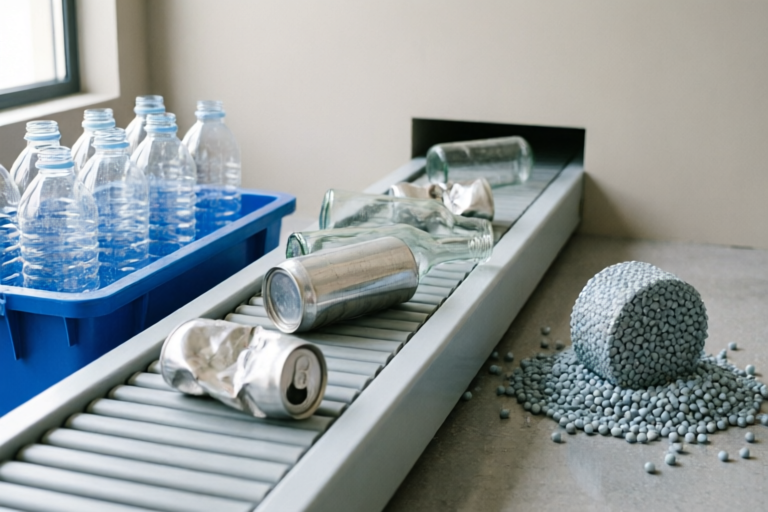
Once collected, recyclables are transported to recycling facilities where they undergo sorting. This process separates different types of materials, such as paper, plastic, glass, and metal, to ensure efficient processing. Advanced technologies like optical sorters and conveyor belts are used to accurately identify and separate materials. Proper sorting is essential to maintain the quality of recycled products and prevent contamination.
Processing and Manufacturing of Recycled Materials
How Recyclable Materials Are Cleaned and Processed
Cleaned and processed materials are transformed into usable forms. For example, plastics are shredded into small pieces, melted, and then molded into pellets. Glass is crushed and melted to create new glass products. Metals are shredded, melted, and cast into ingots. These processed materials are then ready for manufacturing.
The Manufacturing of New Products from Recycled Materials
Manufacturers use recycled materials to create a wide range of products, from packaging materials and textiles to construction supplies and automotive parts. Using recycled materials not only reduces the demand for virgin resources but also lowers energy consumption and greenhouse gas emissions associated with production. By choosing products made from recycled materials, consumers can contribute to a more sustainable future.
Types of Commonly Recycled Materials
Paper, Plastic, Glass, and Metal Recycling Processes
Paper Recycling: Paper is one of the most commonly recycled materials. It goes through a pulping process where it is broken down into fibers and mixed with water. The pulp is then cleaned, deinked, and bleached before being formed into new sheets of paper. This process can be repeated several times, though the quality of the paper may degrade with each cycle.
Plastic Recycling: Plastics are categorized based on their resin codes, which indicate the type of polymer used. Each type requires different processing techniques. For example, PET (polyethylene terephthalate) is commonly used for bottles and can be recycled into fiberfill for jackets or carpeting. HDPE (high-density polyethylene) is often used for milk jugs and can be recycled into plastic lumber.
Glass Recycling: Glass recycling involves melting down used glass containers to create new ones. Unlike other materials, glass can be recycled indefinitely without loss of quality. Colored glass must be separated from clear glass to avoid contamination. Recycled glass is used to make new bottles, jars, and even road aggregate.
Metal Recycling: Metals such as aluminum, steel, and copper are valuable resources that can be infinitely recycled. Aluminum cans, for instance, are crushed, melted, and recast into new cans. Steel scrap is melted and used to produce new steel products. Copper wires are stripped and purified to be reused in electrical applications. Recycling metals helps conserve non-renewable resources and reduces mining impacts.
Special Considerations for Electronic Waste (E-Waste) Recycling
E-waste refers to discarded electronic devices and components. Proper e-waste recycling is critical due to the hazardous substances contained within these items, such as lead, mercury, and cadmium. E-waste recycling involves disassembling electronics to recover valuable materials like precious metals, plastics, and glass. Certified facilities use environmentally safe methods to handle toxic components and ensure responsible disposal.
Challenges in the Recycling Industry
Issues with Contamination and Proper Disposal
Contamination occurs when non-recyclable or inappropriate items are placed in recycling bins, making the entire batch unusable. Common contaminants include food waste, plastic bags, and Styrofoam. To prevent contamination, it's important to follow local guidelines for acceptable recyclables. Additionally, improper disposal of hazardous waste can pose significant risks to human health and the environment.
Economic and Logistical Challenges Faced by Recycling Programs
Recycling programs face economic challenges due to fluctuating market prices for recycled materials and the costs associated with collection and processing infrastructure. Logistical challenges include transportation distances, facility capacities, and workforce availability. Despite these hurdles, advancements in technology and increased public awareness are driving improvements in recycling efficiency and effectiveness.
Conclusion: The Role of Individuals in Recycling
Tips for Effective Recycling at Home and in Communities
To recycle effectively, start by understanding what materials are accepted in your area. Use separate bins for different types of recyclables, and rinse containers to remove food residue. Participate in community recycling events and encourage neighbors to do the same. Educate yourself and others about the benefits of recycling and the importance of proper disposal.
Encouragement for Continued Support and Innovation in Recycling Efforts
Your commitment to recycling makes a difference in protecting our planet. By supporting recycling initiatives and advocating for sustainable practices, we can drive innovation and improve recycling outcomes. Together, we can build a cleaner, greener future for generations to come.
Comments

The economic and logistical challenges sound tough. What are some solutions being explored?

Never knew paper could be recycled so many times. That's pretty cool!

This makes me want to do more at home. Any tips for reducing contamination in my recycling?

Why is e-waste such a big challenge? I always assumed it was just like regular waste.
I always thought recycling just meant putting things in the right bin. This explains it much better.

So how does the recycling industry deal with those tiny bits of plastic that always get stuck in the recycling bins?

Wow, never knew the sorting process was so detailed!