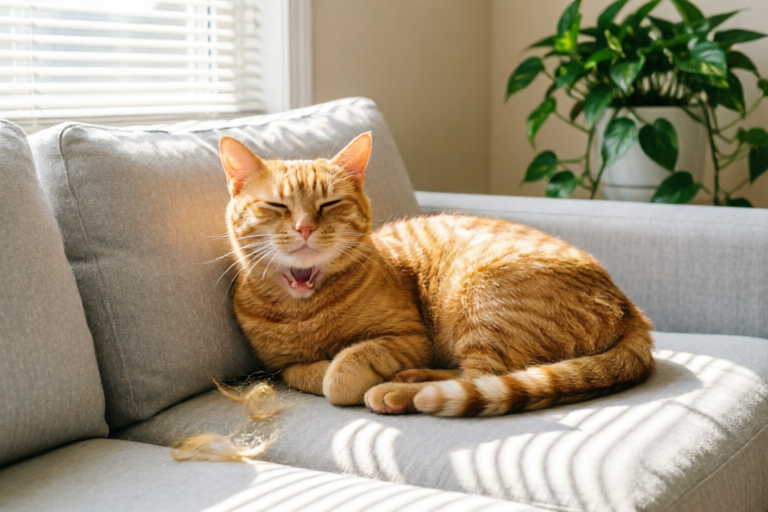
Why Do Cats Purr When They're Happy?
Unravel the Mystery of Cat Purring
Introduction to Cat Purring
Cat purring is one of the most iconic sounds in the animal kingdom, often associated with contentment and happiness. This gentle, rhythmic vibration has captivated humans for centuries, and it's no wonder—purring can be both soothing and mysterious. In this article, we'll dive deep into the world of cat purring, exploring its origins, science, emotional connections, and more.
Definition and Common Perception
Purring is a soft, vibrating sound produced by cats when they are relaxed, happy, or even sometimes when they are distressed. It's often thought of as a sign of contentment, but it can also serve other purposes. Across different cultures, cat purring has been interpreted in various ways, ranging from a sign of good luck to a symbol of peace and harmony.
Brief Overview of the Phenomenon Across Different Cultures
In many cultures, cat purring is seen as a positive omen or a sign of good fortune. For instance, in ancient Egypt, cats were revered as sacred animals, and their purring was believed to bring prosperity and protection. Similarly, in some Asian cultures, cat purring is associated with healing and tranquility. These cultural interpretations highlight the universal appeal of this gentle sound.
The Science Behind Cat Purring
Understanding how cats produce purring involves delving into the mechanics of their vocal cords and diaphragm. Let's explore the fascinating science behind this seemingly simple sound.
How Cats Produce Purring Sounds
Cats produce purring by rapidly contracting muscles near their larynx (voice box), which causes the vocal cords to vibrate. This vibration creates a low-frequency, rhythmic sound that resonates throughout the cat's body. The frequency range of purring typically falls between 25 and 150 Hz, a range that is known for its potential therapeutic benefits.
Frequency Range and Physiological Benefits
The frequency range of cat purring has been linked to several physiological benefits. Studies have shown that the vibrations produced during purring can promote healing, reduce inflammation, and even improve bone density. Additionally, the sound itself can have a calming effect on both cats and humans, making it a valuable tool for stress relief and relaxation.
Emotional States Linked to Purring
Cat purring is not just a sound—it's a complex form of communication that can convey a variety of emotional states. Understanding these emotional connections can help us better understand our feline companions.
Common Emotions Associated with Purring
Most people associate purring with happiness and contentment, and for good reason. When cats are relaxed, comfortable, or enjoying affection, they often purr. However, purring can also indicate other emotional states, such as stress relief or pain management.
Less Known Emotional States That May Trigger Purring
While purring is often linked to positive emotions, it can also occur when cats are stressed or in pain. In these situations, purring may serve as a self-soothing mechanism or a way to communicate distress. Understanding these less common emotional triggers can provide valuable insights into your cat's well-being.
Evolutionary Reasons for Purring
The evolutionary reasons behind cat purring are still subjects of debate among scientists. However, there are several hypotheses that attempt to explain why this behavior has persisted over time.
Hypotheses About the Evolution of Purring
One theory suggests that purring may have evolved as a means of communication between mother cats and their kittens. Since kittens are born deaf and blind, purring could have been a way for them to signal their presence and receive care. Another hypothesis proposes that purring may have developed as a way for cats to conserve energy while resting or recovering from injuries. The low-frequency vibrations could help promote healing and recovery.
Possible Social Bonding and Communication Functions of Purring
In addition to its physiological benefits, purring may play a role in social bonding and communication. Cats often purr when they are interacting with humans or other cats, suggesting that this behavior may serve as a way to strengthen relationships and convey affection. Understanding the social functions of purring can help us better interpret our cats' behaviors and deepen our bond with them.
Factors Influencing Purring Behavior
Several factors can influence a cat's purring behavior, including environmental conditions and individual differences. By understanding these influences, we can better predict and interpret our cats' purring patterns.
Environmental Factors Affecting Purring Frequency
Comfort and safety are key environmental factors that can affect a cat's purring behavior. Cats are more likely to purr in environments where they feel secure and relaxed. For example, a cozy bed, a quiet room, or a warm lap can all encourage purring. Conversely, stressful or unsafe environments may inhibit purring or cause it to take on a different tone.
Individual Differences in Purring Behavior Among Cats
Not all cats purr at the same frequency or intensity. Some cats may purr loudly and frequently, while others may purr softly or infrequently. These individual differences can be influenced by genetics, personality, and life experiences. Understanding these variations can help cat owners better interpret their pets' behaviors and provide appropriate care.
Conclusion and Final Thoughts
Cat purring is a multifaceted behavior that encompasses both physiological and emotional dimensions. From its origins in evolutionary biology to its role in modern-day communication, purring plays a crucial role in the lives of cats and their human companions. By observing and understanding our cats' purring patterns, we can gain valuable insights into their emotional states and overall well-being. So next time you hear that gentle, rhythmic vibration, take a moment to appreciate the complexity and beauty of this remarkable behavior.
Comments

This explains so much. I'll definitely pay closer attention to my cat's purring from now on.

Interesting! I wonder if different breeds have different purring habits.

Makes sense now. I guess purring is like a built-in stress reliever for cats.

I've noticed my cat purrs more when we're cuddling. It's like she's telling me 'thank you' for the comfort.
How does the frequency of purring benefit the cats exactly? Is there a specific range that's more beneficial?

Never knew this! My cat purrs even when she's stressed out. Maybe it's her way of calming herself.
Wow, I always thought my cat only purred when happy but now I see it's more complex than that!