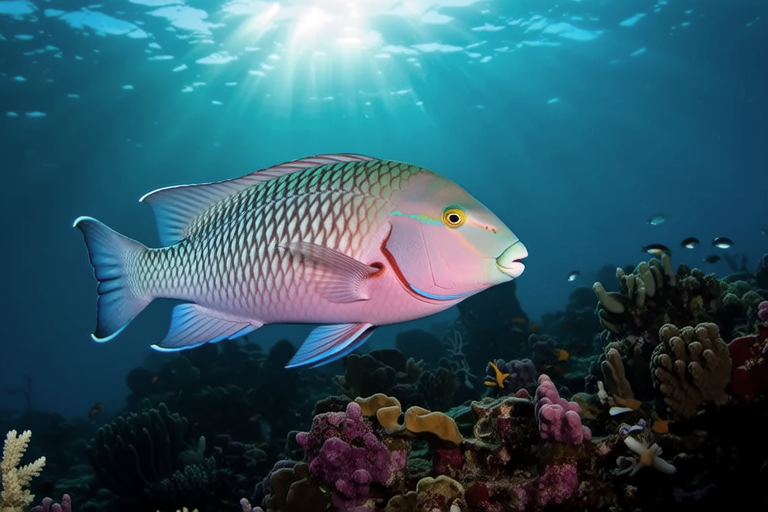
Unleashing the Vibrant World of Parrot Fish: Nature’s Underwater Artists
In the vast and mysterious realm of the ocean, few creatures capture the imagination quite like the parrot fish. These colorful, fascinating marine animals are not only a visual delight but also play a crucial role in maintaining the delicate balance of coral reef ecosystems. From their striking appearance to their intricate behaviors, parrot fish are nature’s underwater artists, contributing to the beauty and health of our oceans.
The Unique Appearance and Vibrant Colors of Parrot Fish
Parrot fish, belonging to the family Scaridae, are easily recognizable due to their distinct physical features. They have thick lips with beak-like teeth, which give them their namesake resemblance to parrots. Their bodies are adorned with an array of vivid hues, ranging from electric blues and greens to fiery oranges and pinks. These stunning colors are not just for show; they serve important functions in communication and camouflage.
Many species of parrot fish exhibit remarkable color changes throughout their lives. Juveniles often display more subdued tones that help them blend into their surroundings, while adults sport more vibrant patterns that signal maturity and dominance within their social structures. The palette of colors in parrot fish is a testament to the rich biodiversity found beneath the waves, making them a true spectacle for divers and marine enthusiasts alike.
The Role of Parrot Fish in Coral Reef Ecosystems
Coral reefs are among the most diverse and productive ecosystems on Earth, teeming with life and supporting countless species. Parrot fish are vital players in the maintenance of these complex habitats. Their feeding habits involve scraping algae off coral surfaces, a process that helps prevent overgrowth and promotes healthy coral growth.
When parrot fish feed, they create fine sand through digestion, contributing significantly to the formation of beaches. This activity not only benefits the coral reefs but also plays a critical role in shaping the coastline. By grazing on algae, parrot fish ensure that corals receive ample sunlight for photosynthesis, thus fostering a balanced and thriving reef environment.
Interesting Facts About Parrot Fish Behavior
Parrot fish exhibit several intriguing behaviors that highlight their adaptability and intelligence. One of the most fascinating aspects of their lifestyle is their nocturnal sleeping habits. To protect themselves from predators during the night, many species of parrot fish construct elaborate sleeping bags out of reef material. This behavior involves secreting a mucus cocoon around their bodies, providing both camouflage and protection.
Another interesting behavior is their ability to change sex. Some parrot fish species are sequential hermaphrodites, meaning they can switch genders during their lifetimes. This unique trait allows them to adapt to changing environmental conditions and ensures genetic diversity within populations. Additionally, parrot fish are known for their social interactions, often forming schools that provide safety in numbers and facilitate efficient feeding.
Diversity Within the Species
The family Scaridae comprises approximately 90 species of parrot fish, each with its own set of distinctive characteristics. Some notable types include the Queen parrot fish, known for its striking purple body and blue tail, and the Blue parrot fish, recognized by its vibrant blue and green stripes. Other fascinating species include the Midnight parrot fish, which exhibits deep red hues, and the Yellowtail parrot fish, characterized by its bright yellow fins.
Each species of parrot fish has evolved to thrive in specific environments, showcasing the incredible diversity within this family. Some prefer shallow waters near coastlines, while others inhabit deeper parts of the ocean. Their varied diets and feeding techniques further demonstrate the adaptability of these creatures, allowing them to survive and flourish in diverse marine habitats.
The Importance of Preserving Parrot Fish and Their Ecosystems
As with many marine species, parrot fish face numerous threats that jeopardize their survival and the health of coral reef ecosystems. Overfishing, habitat destruction, pollution, and climate change pose significant challenges to these underwater artists. The loss of parrot fish could lead to imbalances within coral reefs, affecting not only marine life but also human communities that depend on these ecosystems for food, tourism, and coastal protection.
Conservation efforts aimed at protecting parrot fish and their habitats are essential for ensuring the continued existence of these vital species. Initiatives such as marine protected areas, sustainable fishing practices, and public awareness campaigns play a crucial role in safeguarding parrot fish populations. By supporting these efforts, we can help preserve the vibrant world of parrot fish and the stunning coral reef ecosystems they inhabit.
Moreover, it is important to recognize the intrinsic value of parrot fish beyond their ecological roles. Their beauty and uniqueness inspire awe and wonder, encouraging people to appreciate and protect the natural world. As we strive to maintain the delicate balance of marine ecosystems, let us remember the vital contributions of parrot fish and work together to secure a future where these magnificent creatures continue to thrive.
