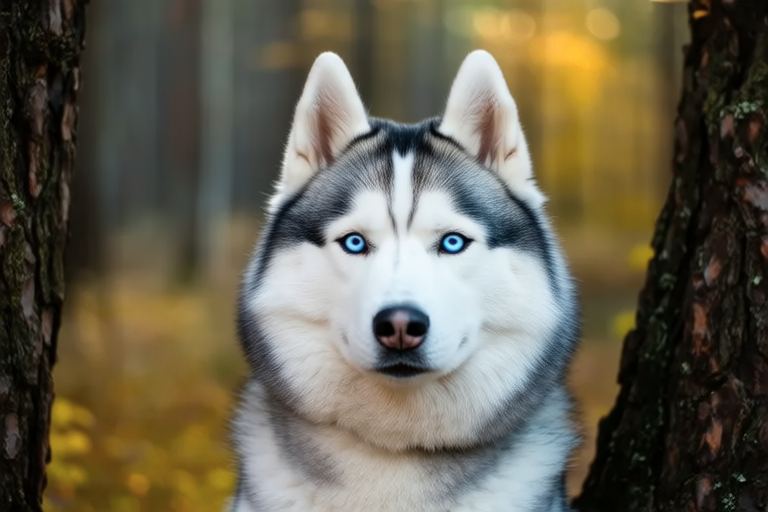
Exploring the Complex Behaviors of Siberian Huskies
Siberian Huskies are more than just their striking blue eyes; they are a breed rich in history, instinct, and social complexity. This article delves into the multifaceted nature of Siberian Huskies, offering insights into their historical background, natural instincts, social behavior, training challenges, and common misconceptions. By understanding these aspects, you can better appreciate and manage your Siberian Husky, ensuring a harmonious and fulfilling relationship.
Historical Background
The origins of Siberian Huskies trace back to the Chukchi people of northeastern Asia, who bred them for sledding and herding. These dogs were essential for survival in harsh Arctic conditions, requiring endurance, strength, and resilience. The first Siberian Huskies arrived in Alaska in the early 20th century, participating in the famous 1925 serum run to Nome, which saved countless lives from a diphtheria outbreak. This event highlighted the breed’s incredible stamina and reliability.
Scientific studies have shown that Siberian Huskies possess genetic adaptations that enable them to thrive in cold environments. For instance, their double coat provides insulation against freezing temperatures, while their high metabolic rate allows them to maintain energy levels during long journeys. Understanding this heritage helps us recognize why Siberian Huskies are such efficient working dogs with a strong sense of purpose.
Natural Instincts
Beyond their physical attributes, Siberian Huskies exhibit remarkable instincts honed by generations of working alongside humans. One key trait is their pack mentality, derived from their history as sled dogs. They naturally seek leadership and thrive when given clear guidance. However, this doesn’t mean they lack independence; Siberian Huskies are known for their problem-solving abilities and resourcefulness.
Another instinctive behavior is their tendency to roam. In the wild, huskies would cover vast distances to find food or water sources. Today, this translates into a need for regular exercise and mental stimulation. Without adequate outlets for these drives, Siberian Huskies may become restless or destructive. Providing ample opportunities for physical activity, such as daily walks or runs, can help satisfy this inherent desire to move.
Social Behavior
Siberian Huskies are highly social animals, often forming strong bonds with their human families. They enjoy being part of a group and tend to be friendly towards other pets if introduced properly. However, their independent streak means they might not always follow commands blindly. Instead, they prefer to understand the reasoning behind instructions before complying.
Research has demonstrated that positive reinforcement techniques are particularly effective with Siberian Huskies. Reward-based training methods encourage cooperation and strengthen the bond between dog and owner. It’s crucial to establish consistent routines and expectations early on, fostering mutual respect and trust. Patience is key when dealing with this intelligent but sometimes stubborn breed.
Training Challenges
While Siberian Huskies are eager learners, their intelligence can sometimes make training challenging. Their natural curiosity leads them to explore every nook and cranny of their environment, potentially leading to mischief if left unattended. Additionally, their strong prey drive can pose difficulties in households with smaller animals.
To overcome these challenges, it’s important to engage Siberian Huskies mentally as well as physically. Puzzle toys and interactive games provide excellent outlets for their cognitive abilities. Consistent training sessions using positive reinforcement techniques will also help reinforce desired behaviors. Remember, patience and consistency are vital when working with this breed.
Common Misconceptions
One prevalent myth about Siberian Huskies is that they are hyperactive. While they do require plenty of exercise, their energy levels vary depending on individual temperament and daily activities. Another misconception is that all Siberian Huskies have blue eyes. Although many do, they can also have brown or even heterochromic (two different colored) eyes.
It’s also worth noting that Siberian Huskies are not aggressive by nature. Their aloofness towards strangers should not be mistaken for hostility. Proper socialization from an early age can help them develop confidence and friendliness around new people and situations.
Practical Advice for Owners
Given the unique characteristics of Siberian Huskies, there are several practical steps owners can take to ensure a successful partnership:
- Exercise Regularly: Provide at least one hour of vigorous exercise each day to keep your husky physically fit and mentally stimulated.
- Train Patiently: Use positive reinforcement techniques to build a strong bond and teach good behavior.
- Provide Mental Stimulation: Engage your husky’s mind through puzzle toys, interactive games, and obedience training.
- Socialize Early: Introduce your husky to various people, places, and experiences from a young age to promote well-rounded behavior.
- Consider Their Environment: Ensure your home and yard are secure to prevent wandering. Fencing should be at least six feet tall, with additional measures like underground fencing systems if necessary.
By following these guidelines, you can create a nurturing environment that meets your Siberian Husky’s needs, leading to a happy and healthy companion.
Conclusion
Siberian Huskies are fascinating creatures with a rich history, unique instincts, and complex social behaviors. Understanding these aspects allows owners to provide appropriate care and training, fostering a deep connection with their furry friends. With patience, consistency, and love, you can enjoy a rewarding relationship with your Siberian Husky, appreciating all the qualities that make them truly special.
