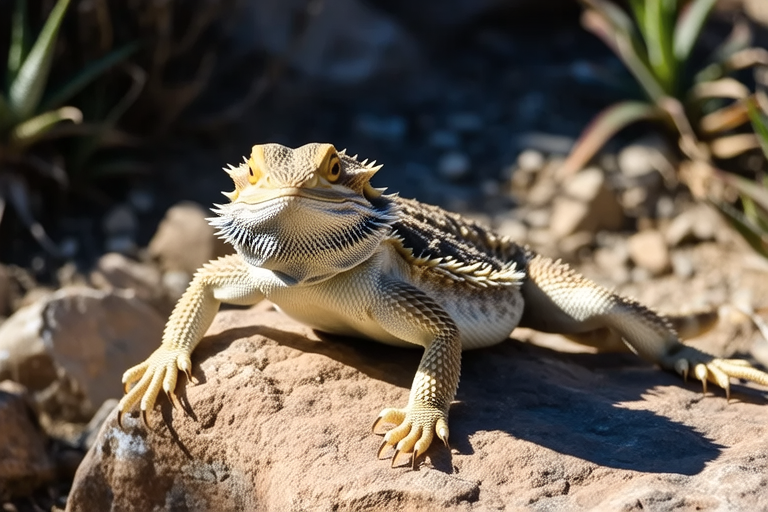
Amazing Bearded Dragons: Nature’s Little Wonders
Welcome to the fascinating world of bearded dragons! These reptiles have captured the hearts of many with their unique characteristics and captivating behaviors. Originating from Australia, bearded dragons are popular pets due to their docile nature, easy care requirements, and striking appearance. They come in various colors and patterns, making them a favorite among reptile enthusiasts. In this article, we’ll dive into some surprising facts about these incredible creatures that will leave you amazed.
The Color-Changing Masters
One of the most remarkable abilities of bearded dragons is their capacity to change color. This adaptation serves multiple purposes, including communication, temperature regulation, and camouflage. When stressed or threatened, bearded dragons may darken their skin to appear larger and more intimidating. Conversely, they lighten their color when basking in the sun to absorb heat more efficiently. Additionally, during courtship displays, males often display vibrant hues to attract females. This ability to alter their appearance adds another layer of intrigue to these already fascinating animals.
Unique Mating Rituals
Bearded dragons have intriguing mating rituals that involve complex interactions between males and females. During courtship, male bearded dragons puff out their beards and bob their heads rapidly. They also engage in head-bobbing displays, where they rise up on their hind legs while waving one front leg. If the female is receptive, she will respond by lowering herself closer to the ground. After successful mating, females lay eggs in specially prepared nests. The entire process showcases the intricate social dynamics within bearded dragon communities.
Tail Dropping: A Defensive Mechanism
In case of danger, bearded dragons possess the remarkable ability to drop their tails. This defensive mechanism allows them to escape predators by leaving behind a detached tail segment that continues to wiggle, distracting potential threats. While losing a tail can be painful for the dragon, it regenerates over time, though not always perfectly. This survival tactic underscores the importance of self-preservation in nature.
Diverse Diet: Insects and Plants
Bearded dragons are omnivores, meaning they eat both plant matter and animal protein. Their diet typically consists of crickets, mealworms, and other small insects. As they grow older, they gradually increase their intake of leafy greens like collard greens, dandelion leaves, and mustard greens. Providing a balanced diet ensures optimal health and longevity for these beloved pets. Owners must ensure proper nutrition by offering a variety of food items and monitoring portion sizes carefully.
Fat Storage in Tails
Bearded dragons store fat reserves in their tails, which act as energy sources during periods of scarcity. This adaptation helps them survive harsh environmental conditions or prolonged fasting. Fat deposits can also indicate overall health; a plump tail suggests good nutrition, while a thin one might signal malnutrition or illness. Understanding this aspect of their physiology is crucial for responsible pet ownership.
Native Habitats and Temperature Preferences
Native to arid regions of central Australia, bearded dragons thrive in warm, dry climates. They prefer temperatures ranging from 80°F to 90°F (27°C to 32°C) during the day, with nighttime drops to around 65°F (18°C). These reptiles bask under direct sunlight to regulate their body temperature, absorbing warmth through their scales. Proper heating setups are essential for maintaining captive bearded dragons’ well-being, ensuring they remain active and healthy.
Unusual Behaviors and Adaptations
- Basking Behavior: Bearded dragons are known for their characteristic basking postures, where they extend their arms and flatten themselves against rocks or branches to maximize sun exposure. This behavior helps them maintain optimal body temperature and supports vital physiological processes.
- Arm Waving: Younger bearded dragons frequently wave one arm as a form of communication, possibly signaling submission or curiosity towards other dragons. This gesture is particularly common during encounters with unfamiliar individuals.
- Puffing Beards: Male bearded dragons inflate their throat pouches, known as beards, to appear more formidable during confrontations or mating displays. This adaptation serves as a visual deterrent against rivals and attracts potential mates.
- Vibrant Colors: Bearded dragons exhibit a range of colors depending on mood, health, and environmental factors. Healthy specimens often display bright hues, while stressed or ill dragons may appear duller. Monitoring color changes can provide valuable insights into your pet’s well-being.
Care Tips for Pet Owners
For those considering adopting a bearded dragon, here are some essential care tips:
- Housing: Provide spacious enclosures equipped with UVB lighting, thermal gradients, and climbing structures.
- Feeding: Offer a varied diet rich in proteins and vegetables, supplemented with vitamins and minerals.
- Handling: Approach gently, avoiding sudden movements that could startle your pet.
- Health Monitoring: Regularly check for signs of illness, such as lethargy, appetite loss, or abnormal shedding.
By following these guidelines, you can ensure your bearded dragon enjoys a long, happy life filled with adventure and companionship.
Conclusion
Bearded dragons are truly remarkable creatures, combining stunning physical features with unique behaviors that captivate observers. From their ability to change color to their elaborate mating rituals, there’s always something new to learn about these fascinating reptiles. Whether you’re an experienced herpetologist or a curious beginner, delving into the world of bearded dragons promises endless fascination and discovery.
