From Jungle to Living Room: Transforming Your Space with a Bengal Cat
Bengal cats have captured the hearts of many pet lovers with their striking appearance and unique personalities. These felines are descendants of the Asian leopard cat, which gives them a distinct wild look. Their origins are rooted in the lush jungles of Asia, where they roamed freely and lived alongside nature. This article will guide you through the journey of bringing a Bengal cat from the jungle to your living room, transforming your space with their presence.
The Exotic Beauty of Bengal Cats
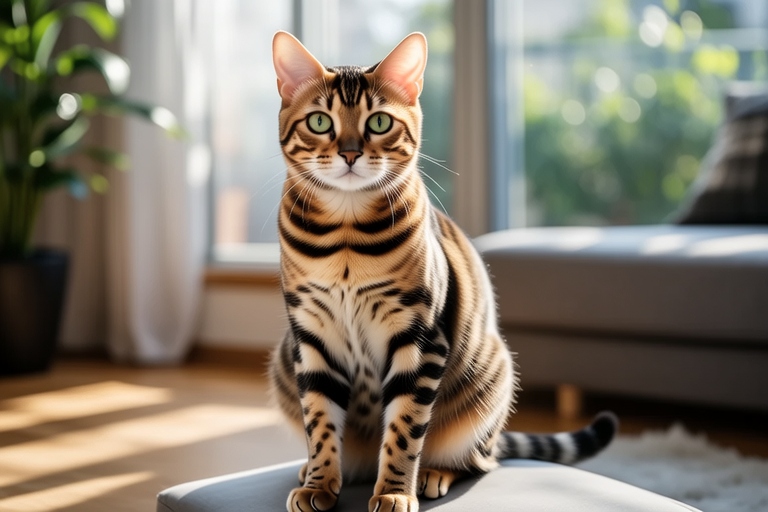
Bengal cats are known for their stunning coat patterns, which often feature spots or marbling resembling those of leopards. Their eyes, typically bright green or gold, add to their exotic allure. The breed’s lineage traces back to the Asian leopard cat, a small wild feline native to parts of Asia. This heritage is evident in their sleek, muscular bodies and agile movements. Their coat is often short and dense, with a soft, luxurious feel, making them irresistible to touch.
Adaptability to Domestic Life
Despite their wild appearance, Bengal cats are highly adaptable to domestic life. They are intelligent, playful, and affectionate, making them excellent companions for families. These cats thrive on interaction and enjoy spending time with their human companions. They are curious creatures, always exploring their surroundings, which can make them seem like perpetual kittens even as they age.
Creating a Stimulating Environment
To ensure a Bengal cat feels at home, it’s essential to create an environment that mimics their natural habitat. Interactive toys and climbing structures are crucial for keeping them engaged and entertained. Providing a variety of toys that encourage play and exploration can help satisfy their innate curiosity. Climbing trees and platforms allow them to display their agility and provide mental stimulation.
Interactive Toys
Choose toys that challenge their hunting instincts. Feather wands, laser pointers, and puzzle feeders are excellent options. Puzzle feeders, in particular, can be a great way to keep your Bengal mentally stimulated while also providing a fun feeding experience. These toys encourage problem-solving and reward your cat with treats, making mealtime more engaging.
Climbing Structures
Invest in multi-level cat trees with scratching posts, perches, and tunnels. These structures offer vertical space for climbing and resting, fulfilling their need for height and security. Incorporating tunnels and bridges into the design adds an element of adventure, simulating the complexity of their jungle environment.
Grooming and Health Care
Bengal cats require regular grooming to maintain their coat’s luster and overall health. Weekly brushing helps remove loose fur and distribute natural oils, preventing matting and hairballs. Additionally, their claws should be trimmed every few weeks to prevent overgrowth and potential injuries. Regular veterinary check-ups are crucial for monitoring their health and addressing any issues early.
Common Concerns
Potential owners should be aware of some common health concerns associated with Bengal cats. Hypertrophic cardiomyopathy (HCM) is a heart condition that can affect Bengals, though it is not exclusive to the breed. Regular vet visits and genetic testing can help identify and manage this condition. Another concern is patellar luxation, a knee joint disorder that may cause lameness. Early diagnosis and appropriate treatment can help mitigate the effects of this condition.
Personal Stories and Testimonials
Many Bengal cat owners share stories of joy and challenges when integrating these unique pets into their families. One owner, Sarah, describes her Bengal, Luna, as “a bundle of energy and love.” She recalls how Luna’s playful antics brought laughter to her home. “Luna loves to chase after feather wands and climb our cat tree,” Sarah says. “She’s always up for a game and keeps us entertained.”
Another owner, Mark, emphasizes the importance of patience and understanding when bringing a Bengal into a household. “Bengals can be independent and may take some time to adjust to new environments,” he explains. “However, once they settle in, they become loving and loyal companions.” Mark advises potential owners to invest time in building trust and establishing routines that cater to their needs.
Lisa, a long-time Bengal owner, shares her experience with grooming. “Bengals are generally easy to groom, but they do shed seasonally,” she notes. “Regular brushing helps keep their coats healthy and reduces shedding around the house.” Lisa recommends using a slicker brush for daily maintenance and suggests incorporating grooming sessions into bonding time with your cat.
Conclusion
Bringing a Bengal cat into your home is a rewarding experience that transforms your living space with their presence. Their exotic beauty, playful nature, and adaptability make them exceptional companions. By creating a stimulating environment, maintaining proper grooming and health care, and understanding their unique needs, you can ensure a happy and healthy life for your Bengal cat. The stories and experiences shared by current owners offer valuable insights and inspiration for those considering adding a Bengal to their family. Embrace the journey of transforming your living room into a jungle sanctuary with a Bengal cat, and prepare to be captivated by their charm and grace.
