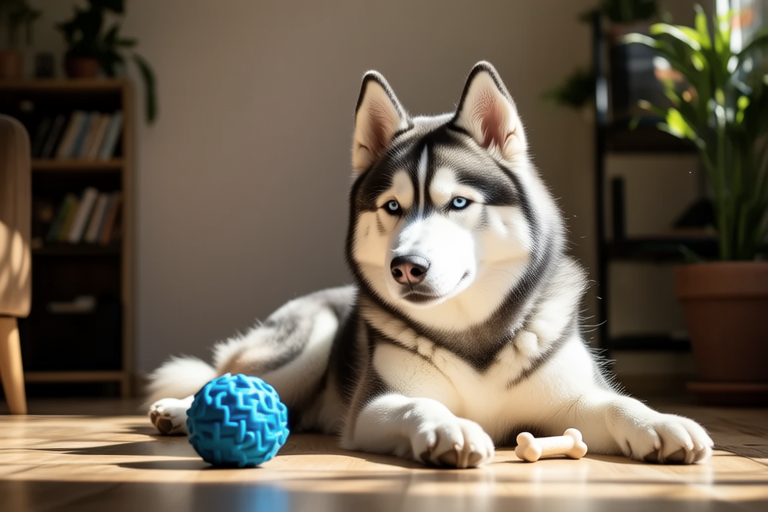
How to Keep Your Siberian Husky Happy and Healthy Indoors
Siberian Huskies are beloved for their striking appearance and loyal companionship. However, owning one can be challenging, especially if you live in an urban or apartment setting. This guide will help you ensure your Siberian Husky remains happy and healthy while living indoors.
Exercise Needs
Siberian Huskies are energetic dogs that require plenty of physical activity to stay healthy and content. Despite limited outdoor space, there are several ways to meet their exercise needs:
- Interactive Play Sessions: Engage your Husky with toys like puzzle feeders or treat-dispensing balls.
- Indoor Agility Training: Set up an obstacle course using household items such as chairs and boxes.
- Leash Walking: Take short walks around your neighborhood, ensuring safety and avoiding distractions.
Mental Stimulation Activities
Besides physical exercise, mental stimulation is crucial for preventing boredom and destructive behavior:
- Training Sessions: Teach new tricks or commands regularly to keep your Husky mentally sharp.
- Puzzle Toys: Use interactive toys that challenge your dog’s problem-solving skills.
- Hide and Seek: Hide treats around your home and encourage your Husky to find them.
Proper Nutrition
A balanced diet is essential for maintaining your Husky’s health:
- High-Quality Dog Food: Choose food with high-quality protein sources and minimal fillers.
- Portion Control: Avoid overfeeding by measuring meals according to your dog’s weight and activity level.
- Healthy Snacks: Offer nutritious snacks like carrots or apples as occasional treats.
Grooming Tips
Huskies have thick coats that require regular grooming:
- Frequent Brushing: Brush your Husky at least twice a week to prevent matting and reduce shedding.
- Bathing: Bathe your dog every 6 to 8 weeks or as needed, using a mild shampoo.
- Ear Cleaning: Check and clean your Husky’s ears weekly to prevent infections.
Creating a Comfortable Living Space
Ensure your Husky has a cozy and inviting home:
- Designated Sleeping Area: Provide a comfortable bed in a quiet corner of your home.
- Safe Environment: Remove any hazards like small objects or toxic plants.
- Comfortable Temperature: Maintain a moderate temperature to avoid overheating or chilling.
Addressing Common Behavioral Issues
Common issues include chewing, barking, and separation anxiety:
- Chewing: Provide appropriate chew toys and redirect your Husky’s attention when they start chewing on inappropriate items.
- Barking: Train your Husky to stop barking on command using positive reinforcement techniques.
- Separation Anxiety: Gradually increase the time you leave your Husky alone to help them become more comfortable.
Importance of Regular Vet Care
Regular veterinary check-ups are vital for early detection of health problems:
- Annual Exams: Schedule yearly visits to monitor your Husky’s overall health.
- Vaccinations: Keep your Husky up-to-date on necessary vaccinations.
- Dental Care: Maintain good oral hygiene through brushing and professional cleanings.
Importance of Socialization
Socialization helps your Husky develop into a well-adjusted adult dog:
- Expose to New People: Introduce your Husky to various individuals to promote friendliness.
- Meet Other Dogs: Arrange playdates or visit dog parks to foster positive interactions.
- Explore New Environments: Gradually expose your Husky to different places to build confidence.
Conclusion
Owning a Siberian Husky indoors requires dedication and creativity but can be incredibly rewarding. By meeting their exercise needs, providing mental stimulation, offering proper nutrition, maintaining grooming routines, creating a comfortable living space, addressing behavioral issues, ensuring regular vet care, and promoting socialization, you can ensure your Husky lives a long, healthy, and happy life. Remember, each dog is unique, so adapt these guidelines to suit your individual pet’s needs.
