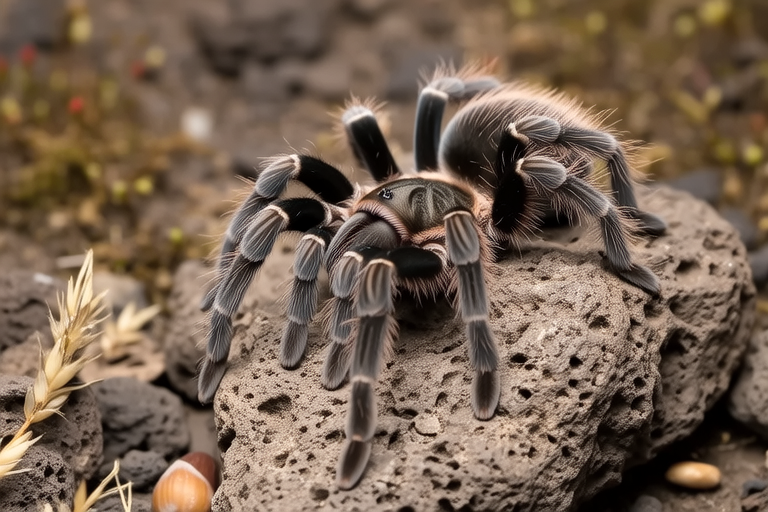
Tarantula Tidbits: Myths and Truths Unraveled
For many, tarantulas evoke images of deadly, reclusive creatures lurking in dark corners, ready to pounce. However, these perceptions are often far from reality. Let’s dive into some common myths surrounding tarantulas and uncover the truths that make these spiders fascinating and misunderstood.
Debunking Common Myths About Tarantulas
Myth 1: Tarantulas are highly venomous and dangerous to humans. While it’s true that tarantulas possess venom, most species’ bites are comparable to a bee sting. Their venom primarily targets prey, paralyzing small insects and arthropods. Human reactions vary; some individuals may experience localized pain or swelling, but fatalities are extremely rare.
Myth 2: Tarantulas are solitary and reclusive. Contrary to popular belief, tarantulas can be social. Some species live in communal burrows, sharing space and resources. In the wild, they might even share territories with other tarantulas without conflict.
Factual Information on Tarantulas
Species Diversity
Tarantulas belong to the family Theraphosidae, comprising over 900 recognized species. These spiders are found across various continents, including North America, South America, Africa, and parts of Asia. Each species has unique characteristics, ranging from size and coloration to behavior and habitat preferences.
Habitats
Tarantulas inhabit diverse environments, from tropical rainforests to arid deserts. They prefer areas with plenty of hiding spots, such as under rocks, logs, or within tree hollows. Some species dig burrows, while others live in existing cavities.
Diet and Behavior
As opportunistic predators, tarantulas feed on a variety of prey, including insects, small vertebrates, and other spiders. Their hunting strategy involves ambush tactics or active pursuit, depending on the species. Tarantulas typically remain stationary near their burrow entrances, waiting for unsuspecting prey to pass by.
Defensive Mechanisms
When threatened, tarantulas have several defense strategies. Some species flick urticating hairs from their abdomens, which cause irritation to the eyes and skin of predators. Others employ their impressive fangs, though this is more of a last resort.
Silk Production
Unlike web-building spiders, tarantulas produce silk for purposes other than trapping prey. They use silk to line their burrows, create egg sacs, and occasionally construct retreats within their living spaces.
Interaction with Humans
In some cultures, tarantulas are considered delicacies, while others view them as symbols of good luck. As pets, tarantulas offer a unique opportunity for enthusiasts to observe and care for these remarkable creatures up close.
Tips for Responsible Tarantula Ownership
Considering a tarantula as a pet? Here are some essential tips:
- Research thoroughly: Learn about the specific needs and behaviors of your chosen species. Not all tarantulas are suitable for beginners.
- Proper enclosure: Provide a spacious, secure vivarium with appropriate substrate, hiding spots, and temperature/humidity control.
- Feeding: Offer a varied diet of live insects, ensuring prey items are appropriately sized for your tarantula.
- Handling: Avoid handling unless necessary, as tarantulas are delicate creatures. Always wash hands before and after interacting with your pet.
- Healthcare: Monitor your tarantula for signs of illness or stress, and consult a veterinarian specializing in exotic animals if concerns arise.
Owning a tarantula responsibly requires commitment and knowledge. By understanding their unique needs and providing proper care, you can enjoy a rewarding relationship with one of nature’s most intriguing creatures.
Conclusion
Tarantulas are complex, misunderstood creatures with fascinating lives and behaviors. From dispelling myths about their deadliness and reclusiveness to exploring their diverse species, habitats, diets, and interactions with humans, there’s much to learn about these incredible spiders. For those considering tarantulas as pets, responsible ownership is key to ensuring the well-being of these remarkable creatures.
