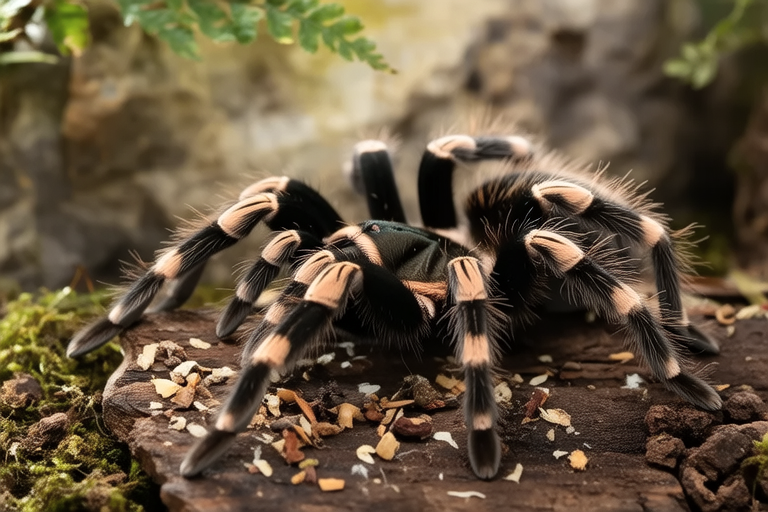
The Ultimate Guide to Tarantula Care for Beginners
Welcome to the world of tarantula care! These fascinating creatures can make wonderful pets for those willing to learn about their specific needs. Before you dive into tarantula ownership, it’s crucial to understand that they have unique requirements compared to more traditional pets like dogs or cats. This guide will cover everything from selecting the right enclosure to maintaining your tarantula’s health and happiness.
Selecting the Right Enclosure
Choosing the perfect home for your tarantula is one of the most important decisions you’ll make as a new owner. A well-chosen enclosure ensures your pet remains healthy and comfortable. Start by considering size; adult tarantulas need enclosures that are at least three times longer than their leg span. For example, if your tarantula has a leg span of six inches, its tank should be at least 18 inches long.
Materials also matter. Glass aquariums with tight-fitting lids are ideal because they allow good visibility while keeping your tarantula safely inside. Avoid using plastic containers, as they don’t provide adequate ventilation. Additionally, ensure there are no gaps where your tarantula could escape.
It’s essential to create a secure environment by adding climbing structures such as branches or cork bark pieces. These items offer hiding spots and exercise opportunities, which are vital for your tarantula’s wellbeing.
Appropriate Substrate and Temperature Control
Substrate refers to the material used at the bottom of the enclosure. It serves multiple purposes: absorbing waste, retaining moisture, and providing burrowing opportunities. Suitable substrates include coconut fiber, peat moss, or a mixture of these materials. Aim for a depth of two to four inches.
Maintaining proper humidity levels is equally important. Most tarantulas thrive in environments with 60% to 80% relative humidity. You can achieve this by misting the enclosure occasionally or placing a shallow water dish inside. However, avoid over-saturating the substrate, as too much moisture can lead to mold growth.
Temperature control is another critical aspect of tarantula care. Different species require different temperatures, but generally, you want to maintain a range between 75°F and 85°F (24°C to 29°C). Use thermometers placed at various points within the enclosure to monitor these conditions accurately.
Diet and Feeding Habits
Tarantulas are carnivorous arachnids that feed primarily on insects. In captivity, crickets, mealworms, and dubia roaches are popular choices. The size of the prey should be proportional to your tarantula’s body size, ensuring it can consume its meal without difficulty.
Feeding frequency varies depending on age and species. Younger tarantulas may eat once every week, whereas adults might only require food every few weeks. Always remove uneaten prey after 24 hours to prevent stress or injury to your tarantula.
Some tarantulas exhibit regurgitation behavior when disturbed during feeding. This natural reaction helps them defend themselves by expelling partially digested food. While alarming, it usually doesn’t indicate illness unless accompanied by other signs of distress.
Handling and Safety Tips
Handling tarantulas requires patience and practice. Always wash your hands before interacting with your pet to eliminate any potential contaminants. Gently coax your tarantula onto your hand rather than grabbing it directly.
Be cautious when moving your tarantula, especially if it’s young or unaccustomed to being handled. Some species are more docile than others, so research your particular type to understand its temperament better.
If bitten, most tarantula venom causes localized pain similar to a bee sting. Clean the wound thoroughly and apply ice to reduce swelling. Seek medical attention if symptoms persist or worsen.
Common Health Issues
Like all animals, tarantulas can suffer from various health problems. Common issues include dehydration, mite infestations, and molting difficulties. Regularly check your tarantula for signs of distress, such as lethargy, loss of appetite, or unusual behavior.
Dehydration often results from insufficient humidity levels. Address this issue by increasing moisture in the enclosure through regular misting or adding more water dishes. Mites are tiny parasites that can cause significant discomfort. If detected early, you can treat them using commercial products available at pet stores.
Molting involves shedding old exoskeletons to grow new ones. During this process, tarantulas become extremely vulnerable. Provide ample hiding spaces and avoid disturbing them until the molt is complete.
Advice on Creating an Enriching Environment
To keep your tarantula happy and engaged, consider enriching its habitat with various elements. Introduce different textures, such as smooth rocks or rough tree bark, to stimulate exploration. Offering live prey occasionally allows your tarantula to hunt naturally, promoting mental stimulation.
Establishing a routine schedule for feeding, cleaning, and observation helps build trust between you and your pet. Spend time observing your tarantula daily, noting any changes in behavior or appearance. This proactive approach aids in early detection of potential health concerns.
Lastly, remember that tarantulas are solitary creatures by nature. They prefer solitude over social interaction. Respect their space and avoid overcrowding their enclosure with multiple tarantulas.
Conclusion
Owning a tarantula comes with great responsibility. By understanding their needs and providing appropriate care, you can ensure your pet enjoys a long, healthy life. Remember always to conduct thorough research before bringing home a tarantula and commit to learning continuously about its unique requirements. With dedication and effort, you’ll find yourself rewarded with a fascinating companion that brings joy and wonder into your life.
