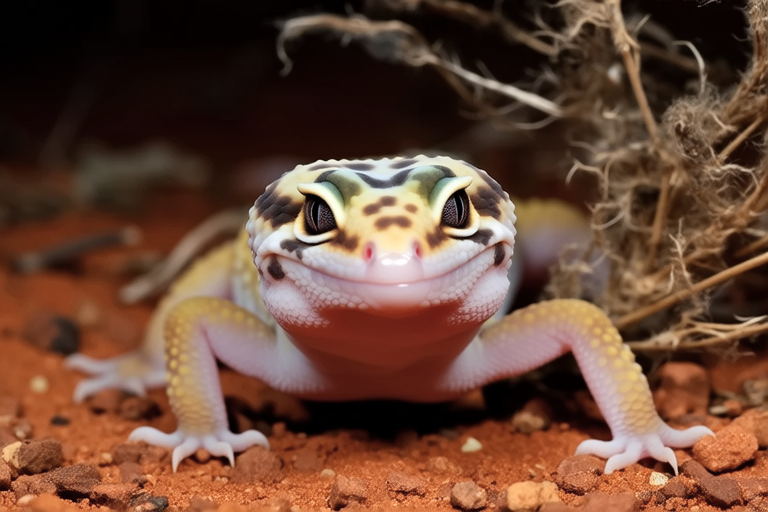
From Egg to Adult: The Incredible Journey of Leopard Geckos
Leopard geckos have become one of the most popular reptiles among pet enthusiasts due to their docile nature, ease of care, and striking appearance. Known for their vibrant color patterns that resemble the spots of leopards, these geckos are not only visually appealing but also relatively low-maintenance compared to other reptile species. Their adaptability to captivity has made them a favorite among beginners and seasoned reptile owners alike. This article will take you through the fascinating life cycle of leopard geckos, from their embryonic beginnings to adulthood.
The Egg-Laying Process and Incubation
Leopard geckos lay eggs in pairs, typically between April and September. Female geckos can store sperm for up to three years, which allows them to produce multiple clutches without repeated mating. Once a female is ready to lay her eggs, she seeks out a suitable nesting site, usually moist soil or substrate, where she can safely deposit the eggs.
The incubation period lasts approximately 45 to 60 days, during which the eggs develop under optimal conditions. Temperature plays a crucial role in determining the sex of the offspring. Cooler temperatures (around 78°F) tend to produce more females, while warmer temperatures (around 90°F) favor male development. Maintaining consistent temperature and humidity levels is essential for successful hatching.
Hatchlings: Size, Behavior, and Initial Care
Newly hatched leopard geckos are tiny, measuring about 3 inches in length. They are born with an egg sac, which provides them with nutrients during their first few days of life. Hatchlings are independent from birth and can start hunting insects immediately. Their small size and delicate nature require special care to ensure they thrive.
Proper housing for hatchlings includes a smaller enclosure with appropriate heating and lighting. A shallow water dish should be provided to prevent drowning, and a hide box offers security. Feeding should consist of small crickets or mealworms dusted with calcium and vitamin supplements. Regular monitoring of their environment and diet is vital for their growth and well-being.
Growth Stages: Diet, Shedding, and Environmental Needs
As leopard geckos grow, their dietary needs change. Juvenile geckos require frequent feedings of small insects, such as crickets and dubia roaches, to support rapid growth. It’s important to gut-load these insects with nutritious foods before offering them to the geckos. Calcium and vitamin D3 supplementation are crucial to prevent metabolic bone disease.
Shedding is another critical aspect of a leopard gecko’s development. Juveniles shed more frequently than adults, typically every two weeks. Proper hydration and humidity levels in their enclosure help facilitate smooth shedding. After shedding, it’s essential to check for retained skin, especially around the toes and tail, as this can lead to complications if not addressed promptly.
Environmental needs vary slightly throughout the gecko’s life stages. Juveniles need a temperature gradient within their enclosure, ranging from 78°F to 90°F, to allow them to regulate their body temperature. UVB lighting is not necessary but providing a full-spectrum light can benefit their overall health. Cleanliness of the habitat is paramount, so regular spot cleaning and thorough disinfection of the enclosure are recommended.
Adult Leopard Gecko Care
Once leopard geckos reach adulthood, their care becomes somewhat simpler. Adult geckos generally require less frequent feeding, typically every other day, with a varied diet including crickets, waxworms, and superworms. Gut-loading remains important, and supplements should be offered at least twice a week. Providing a balanced diet ensures optimal health and longevity.
Environmental needs for adult geckos include maintaining a temperature gradient similar to juveniles, with basking areas reaching 90°F. Humidity levels should be kept moderate, around 30-40%, to prevent respiratory infections. A hide box and climbing structures offer enrichment and mental stimulation. Regular health checks by a veterinarian specializing in reptiles can catch potential issues early.
Common health issues in adult leopard geckos include obesity, impaction, and parasitic infections. Obesity can be managed through proper diet and exercise. Impaction may occur if substrate is ingested, so using paper towels or reptile carpet as bedding can reduce this risk. Parasites can be detected through fecal examinations and treated accordingly. Regular vet visits and proactive care can help maintain the health of your gecko.
Conclusion
The journey from egg to adult of a leopard gecko is a testament to the resilience and adaptability of these fascinating creatures. From the delicate care required for newly hatched geckos to the maintenance of a thriving adult, each stage presents unique challenges and rewards for reptile enthusiasts. Understanding the specific needs of leopard geckos at different life stages ensures their well-being and longevity, making them beloved pets for many years to come.
