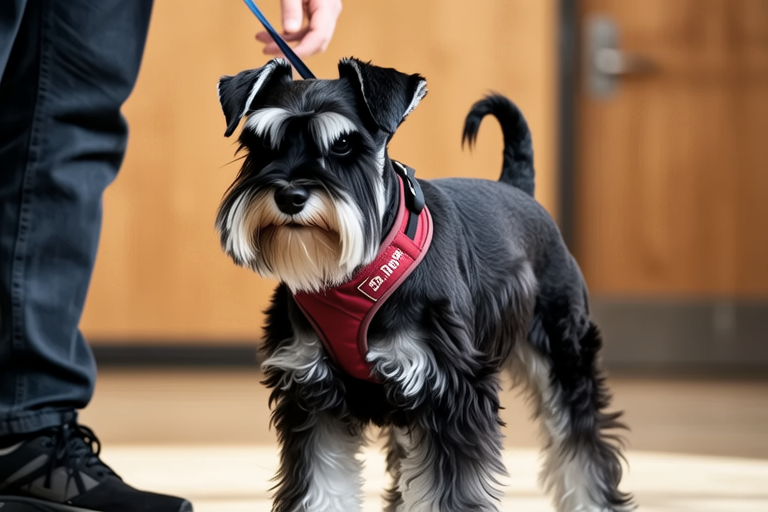
Training Tips Every Schnauzer Owner Needs to Know for a Happy Pet
Welcome to the wonderful world of Schnauzers! These intelligent, loyal, and spirited dogs make fantastic companions. However, like any breed, they require proper training, care, and attention to ensure they lead happy, healthy lives. In this article, we’ll cover everything you need to know about raising your Schnauzer, from basic obedience training to dietary considerations. Let’s dive right in!
Basic Obedience Training
Obedience training is essential for every dog, but it’s especially important for Schnauzers due to their high energy levels and independent nature. Teaching your Schnauzer basic commands can help establish you as the pack leader and create a harmonious relationship.
Start with simple commands such as ‘sit’, ‘stay’, ‘come’, and ‘leave it’. Use treats, praise, and affection as rewards for good behavior. Consistency is key; always use the same command word and hand signals. For example, when teaching ‘sit’, hold a treat above your Schnauzer’s head and say “Sit.” As they look up, their bottom will naturally lower to the ground. Once they sit, give them the treat and praise enthusiastically. Repeat this process several times a day until they understand the command.
Positive reinforcement works wonders with Schnauzers. Instead of punishing bad behavior, focus on rewarding good behavior. This method not only strengthens the bond between you and your dog but also encourages them to repeat the desired actions.
Socialization Techniques
Socializing your Schnauzer is crucial for their emotional well-being and helps prevent future behavioral problems. Expose your puppy to various people, animals, and environments from an early age. This can include trips to the park, visits to friends’ houses, and even short car rides.
During these outings, keep interactions positive and stress-free. If your Schnauzer becomes overwhelmed, remove them from the situation and try again another day. Remember, patience is vital during the socialization process.
An anecdote: One Schnauzer owner shared that their puppy initially became anxious around other dogs at the park. Instead of forcing the interaction, they gradually introduced their dog to calm, friendly dogs in controlled environments. Over time, their Schnauzer became more comfortable and confident around other canines.
Grooming Tips
Schnauzers have a distinctive double coat that requires regular grooming to maintain its appearance and prevent matting. Brush your Schnauzer at least twice a week using a slicker brush or pin brush. This helps remove loose hair and distribute natural oils throughout their coat.
In addition to brushing, Schnauzers need professional grooming every six to eight weeks. During these sessions, their coats are trimmed, and their beards and eyebrows are shaped. You can learn to trim your Schnauzer’s coat at home, but it may take some practice to achieve professional results.
Pay special attention to your Schnauzer’s ears and eyes. Clean their ears weekly with a gentle ear cleaner and wipe away any discharge from their eyes. Regular grooming also provides an opportunity to check for any skin irritations or signs of illness.
Common Behavioral Issues and Solutions
No matter how well-trained your Schnauzer is, they may exhibit some challenging behaviors from time to time. Here are a few common issues and solutions:
- Barking: Schnauzers are known for being vocal dogs. To address excessive barking, teach your dog the ‘quiet’ command. When they bark, wait until they stop and then say “Quiet” in a calm voice. Reward them with treats and praise when they comply.
- Digging: Some Schnauzers enjoy digging, especially if they spend a lot of time outdoors. Redirect their energy by providing them with a designated digging area or offering them puzzle toys to occupy their mind.
- Chewing: Chewing is normal for puppies, but it can become problematic if left unchecked. Provide your Schnauzer with appropriate chew toys and redirect them when they attempt to chew on furniture or shoes. Praise them when they choose the correct item to chew.
Remember, addressing behavioral issues requires patience and consistency. Punishing your Schnauzer for unwanted behavior can lead to fear or aggression, so always opt for positive reinforcement.
Exercise Needs
Schnauzers are energetic dogs that require plenty of physical activity to stay healthy and happy. Aim for at least two hours of exercise per day, including walks, playtime, and interactive games. A tired Schnauzer is a well-behaved Schnauzer!
Engage your Schnauzer in activities that challenge both their body and mind. Agility courses, fetch, and hide-and-seek are excellent ways to burn off excess energy while keeping your dog mentally stimulated.
If you’re short on time, consider incorporating shorter, more frequent exercise sessions into your daily routine. Even a quick game of fetch or a brisk walk around the block can make a difference.
Dietary Considerations
Feeding your Schnauzer a balanced diet is essential for their overall health and longevity. Consult with your veterinarian to determine the appropriate amount of food based on your dog’s age, weight, and activity level. Generally, adult Schnauzers require 1 to 1.5 cups of high-quality dog food per day, divided into two meals.
Avoid overfeeding, as Schnauzers are prone to obesity. Monitor your dog’s weight regularly and adjust their portion sizes accordingly. Choose a dog food that contains real meat as the first ingredient and avoids fillers like corn or soy. Omega-3 fatty acids can help support their skin and coat health.
Provide fresh water at all times and limit table scraps. Some human foods, such as chocolate, grapes, and onions, are toxic to dogs and should never be given to your Schnauzer.
Mental Stimulation Activities
Mental stimulation is just as important as physical exercise for Schnauzers. Enrichment activities can help prevent boredom and destructive behavior. Here are some ideas:
- Puzzle Toys: Puzzle toys challenge your Schnauzer to figure out how to retrieve treats or other small objects. These toys come in various difficulty levels, so you can increase the challenge as your dog becomes more skilled.
- Training Sessions: Incorporate short training sessions into your daily routine. Teach your Schnauzer new tricks or review previously learned commands. Not only does this provide mental stimulation, but it also strengthens your bond.
- Interactive Games: Play games that require problem-solving skills, such as hide-and-seek or scent work. Hide treats around the house and encourage your Schnauzer to find them using their sense of smell.
Rotate toys and activities to keep things interesting for your Schnauzer. Dogs, like humans, can become bored with repetitive tasks or toys. By providing variety, you’ll keep your Schnauzer engaged and entertained.
Conclusion
Raising a happy and well-adjusted Schnauzer requires dedication, patience, and consistency. By following the tips outlined in this article, you’ll be well on your way to creating a strong bond with your furry friend. Remember to celebrate your successes along the way and enjoy the journey together. With proper training, care, and attention, your Schnauzer will thrive and bring joy to your life for years to come.
