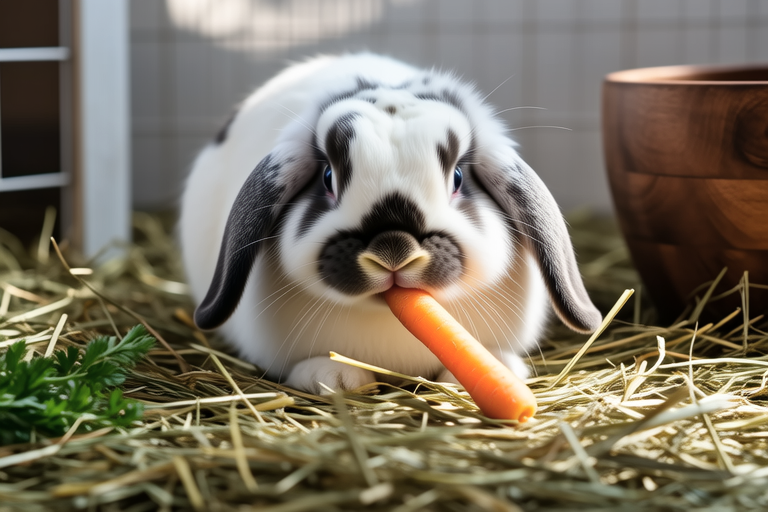
The Ultimate Guide to Keeping Your Lop Rabbit Happy and Healthy
Welcoming a lop rabbit into your home is a joyous occasion, but it also comes with responsibilities. Lop rabbits, known for their floppy ears, are affectionate and gentle companions that require proper care to thrive. This guide will provide you with everything you need to know to ensure your lop rabbit leads a happy and healthy life.
Ideal Living Environments
Creating a comfortable and safe living environment is crucial for your lop rabbit’s well-being. Start by choosing an appropriate cage or hutch that provides ample space for movement and play. A minimum size of 4 square feet per rabbit is recommended. Ensure the cage has a solid floor to prevent foot injuries and is placed away from direct sunlight, drafts, and extreme temperatures.
Inside the cage, include a variety of toys and chewable items like cardboard boxes and wooden toys. Provide soft bedding such as hay, shredded paper, or commercial bedding to make your rabbit feel at home. Clean the cage regularly to maintain hygiene and reduce the risk of infections.
Suitable Diet Plans
A balanced diet is key to your lop rabbit’s health. The majority of their diet should consist of fresh hay, which promotes digestive health and helps wear down their continuously growing teeth. Fresh vegetables, such as leafy greens (e.g., spinach, kale), bell peppers, and carrots, should be offered daily in moderation. Avoid feeding too many fruits, as they are high in sugar.
Commercial rabbit pellets can be given in small quantities to supplement their diet, but avoid overfeeding, as this can lead to obesity. Always provide fresh water, either through a sipper bottle or a heavy ceramic bowl to prevent tipping.
Necessary Exercise Routines
Rabbits are active creatures that require regular exercise to stay fit and healthy. Allow your lop rabbit supervised time outside of its cage each day. A rabbit-proofed room or a large exercise pen is ideal for providing a safe environment for them to hop around and explore. Rotate toys and obstacles to keep your rabbit mentally stimulated.
Encourage your rabbit to jump and stretch by creating tunnels and ramps within its play area. Exercise not only benefits physical health but also reduces stress and prevents behavioral problems.
Grooming Tips
Lop rabbits have medium-length fur that requires regular grooming to prevent matting and hairballs. Brush your rabbit’s coat at least once a week, increasing frequency during shedding seasons. Use a slicker brush to remove loose hair and prevent ingestion during self-grooming.
Bathe your rabbit only when necessary, as frequent bathing can strip natural oils from their skin. If you need to bathe your rabbit, use a gentle, unscented shampoo and thoroughly rinse to avoid irritation. After bathing, dry your rabbit completely to prevent chills.
Common Health Issues and Preventive Care
Like any pet, lop rabbits are susceptible to various health issues. Regular veterinary check-ups are essential to catch potential problems early. Common issues include dental problems, respiratory infections, and gastrointestinal stasis. Signs of illness may include changes in appetite, lethargy, runny nose, or difficulty breathing.
To prevent health issues, maintain a clean living environment, provide a balanced diet, and monitor your rabbit’s behavior for any unusual changes. Spaying or neutering your rabbit can help reduce the risk of certain cancers and unwanted behaviors.
Socialization and Handling Techniques
Socializing your lop rabbit is important for their emotional well-being. Introduce your rabbit to different people and environments gradually to build confidence. Handle your rabbit gently, supporting their hindquarters to prevent injury. Rabbits are sensitive to loud noises and sudden movements, so approach them calmly and speak softly.
Training your rabbit can strengthen the bond between you and your pet. Positive reinforcement techniques, such as offering treats and praise, can teach your rabbit commands and tricks. Patience and consistency are key in the training process.
Signs of a Happy and Healthy Rabbit
A happy and healthy lop rabbit exhibits several positive signs. They are active, curious, and alert, with bright eyes and a clean coat. Healthy rabbits eat and drink regularly, produce firm droppings, and have smooth, even breathing. They respond positively to interaction and show signs of contentment, such as flopping onto their side or purring when petted.
If you notice any concerning changes in your rabbit’s behavior or appearance, consult a veterinarian promptly. Early intervention can significantly improve the chances of successful treatment.
Conclusion
By following these guidelines, you can ensure your lop rabbit lives a long, happy, and healthy life. Remember, rabbits are social animals that thrive on attention and care. Spend quality time with your rabbit, provide a stimulating environment, and prioritize their health and well-being. With proper care, your lop rabbit will become a cherished member of your family.
