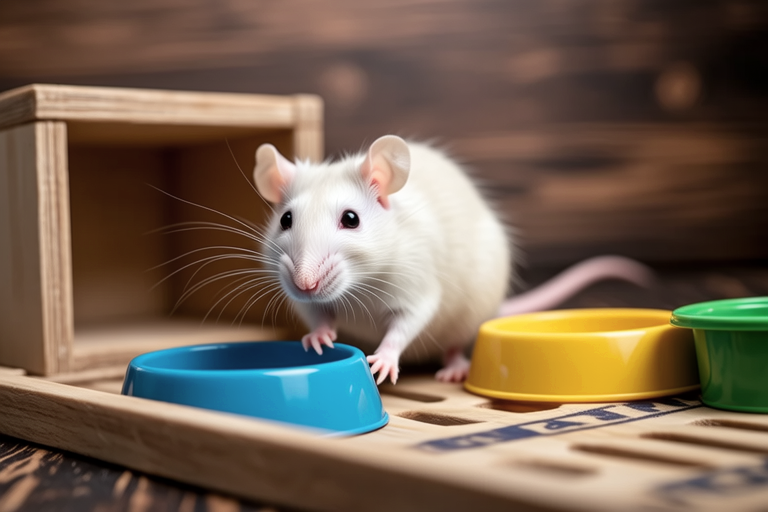
Creating an Enriching Habitat for Your Curious Fancy Rat
Welcome to your comprehensive DIY guide on creating an enriching habitat for your curious fancy rat. This guide will cover everything from selecting appropriate housing to maintaining hygiene and safety. Whether you’re a first-time or seasoned rat owner, this information will help ensure your pet has a happy, healthy life.
Selecting Appropriate Housing
The first step in creating a suitable environment for your fancy rat is choosing the right cage. Opt for a spacious cage that allows your rat ample room to move around freely. A minimum size of 24 inches by 18 inches by 18 inches is recommended for one rat, with additional space for each additional rat. Avoid wire-bottom cages as they can cause foot injuries; instead, choose solid flooring or provide a layer of bedding over the wire bottom. Ensure good ventilation but avoid drafts. Glass aquariums or plastic cages with solid floors are excellent options.
Essential Bedding Materials
Selecting the right bedding is crucial for your rat’s comfort and health. Shredded paper, recycled paper products, and high-quality wood shavings (such as aspen) are ideal choices. Avoid cedar and pine shavings, which can irritate your rat’s respiratory system. Change the bedding regularly to prevent odors and maintain cleanliness. A deep layer of bedding encourages natural burrowing behavior, providing mental stimulation and comfort for your rat.
Safe and Stimulating Toys
Toys are essential for keeping your rat mentally and physically stimulated. Provide a variety of chew toys made from untreated wood or cardboard to satisfy their natural urge to gnaw. Cardboard boxes, tunnels, and tubes can also serve as toys and hiding spots. Ropes and sisal mats are great for climbing and scratching. Rotate toys periodically to keep things interesting. Always supervise playtime and remove any damaged or unsafe toys promptly.
Proper Food and Water Dispensers
Your rat needs access to fresh, clean water at all times. Use a sturdy water bottle designed specifically for small animals to prevent spills and contamination. Refill it daily and check for leaks. Feed your rat a balanced diet consisting of high-quality rat pellets, fresh fruits, and vegetables. Place food in shallow dishes or hanging feeders to reduce waste and make feeding more engaging. Remove uneaten food after a few hours to maintain hygiene.
Hiding Spots
Rats are naturally curious but also need safe places to hide. Provide cozy hideouts such as wooden igloos, cloth hammocks, or cardboard boxes. These hiding spots offer security and comfort, reducing stress and promoting relaxation. Ensure the hideouts are large enough for your rat to comfortably fit inside and have ventilation holes for air circulation.
Exercise Equipment
Exercise is vital for your rat’s physical and mental well-being. Install ramps, platforms, and shelves within the cage to encourage climbing and exploration. A running wheel is another excellent addition, but choose one with a solid surface to prevent injury. Rotate the wheel periodically to keep it clean and functioning properly. Supervised playtime outside the cage provides additional opportunities for exercise and interaction.
Maintaining Hygiene and Ensuring Safety
Regular cleaning is essential for maintaining a hygienic living environment. Spot-clean the cage daily by removing soiled bedding and waste. Deep clean the entire cage once a week, thoroughly washing all surfaces and accessories with mild soap and water. Allow everything to dry completely before replacing bedding and accessories. Regularly inspect toys and equipment for wear and tear, replacing any damaged items immediately.
Setting Up the Habitat to Encourage Natural Behaviors
To encourage natural behaviors like burrowing and climbing, arrange the cage thoughtfully. Create distinct areas for sleeping, eating, and playing. Provide tunnels and tubes for burrowing and explore. Incorporate branches, ropes, and other climbing structures to stimulate climbing instincts. Arrange the layout in a way that mimics a natural habitat, offering multiple levels and pathways for exploration.
In conclusion, creating an enriching habitat for your fancy rat involves careful consideration of various factors. By selecting appropriate housing, providing essential bedding materials, offering safe and stimulating toys, ensuring proper food and water dispensers, including hiding spots, and incorporating exercise equipment, you can create a thriving environment for your pet. Regular maintenance and attention to safety will further enhance your rat’s quality of life. With these guidelines, you’ll be well-equipped to provide a loving home that supports your rat’s physical and emotional needs.
