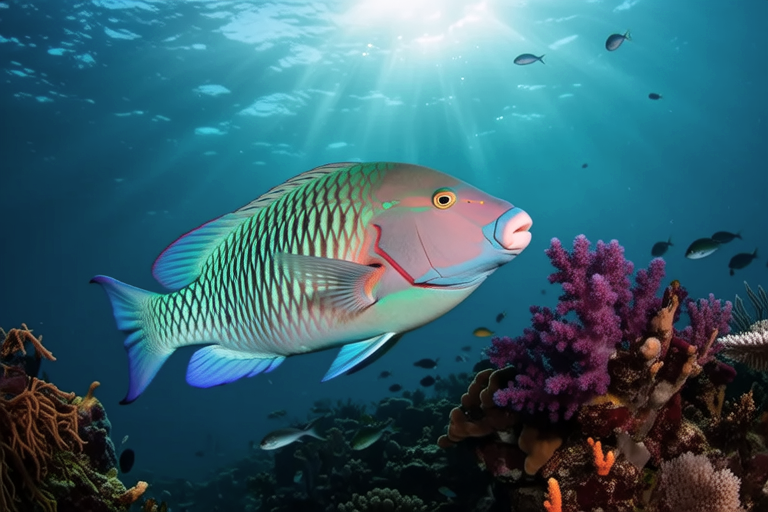
The Brightest Underwater Jewels: Discovering the Magnificent Parrot Fish
In the vast and colorful realm of the ocean, few creatures capture the imagination quite like the parrot fish. These vibrant underwater jewels are not only a sight to behold but also play a crucial role in maintaining the health of marine ecosystems. With their striking colors and unique behaviors, parrot fish are a favorite among divers and marine enthusiasts alike. This article delves into the world of parrot fish, exploring their physical characteristics, behaviors, and the critical role they play in coral reef health.
The Vibrant World of Parrot Fish
Parrot fish are known for their stunning array of colors, ranging from bright blues and greens to vivid reds and yellows. Their namesake comes from their beak-like mouths, which are used for feeding on algae and coral. These fish can grow up to 4 feet in length and weigh as much as 40 pounds, making them one of the larger species of reef fish. Their scales are often iridescent, reflecting light in dazzling patterns that make them stand out in the underwater landscape.
One of the most fascinating aspects of parrot fish is their ability to change color throughout their life cycle. Juvenile parrot fish tend to have more subdued colors, blending in with their surroundings to avoid predators. As they mature, their colors become more vibrant, signaling their readiness to reproduce. This transformation is not just about aesthetics; it also plays a role in communication within their species.
Physical Characteristics and Behaviors
Parrot fish have several distinctive features that set them apart from other marine creatures. Their beak-like mouths are equipped with sharp teeth, allowing them to scrape algae from rocks and coral. They also have pharyngeal teeth located further back in their throats, which help grind up the algae and coral they consume. This unique digestive system is responsible for creating sand, as the indigestible parts of coral and algae pass through their bodies and settle on the ocean floor.
These fish are primarily herbivores, feeding on algae and sometimes coral polyps. Their grazing activities are vital for maintaining the balance of coral reefs. By keeping algae in check, parrot fish prevent it from overgrowing and smothering corals, thus ensuring the survival of these delicate ecosystems. Additionally, their excretions contribute to the nutrient cycling in reef environments, supporting the growth of other marine organisms.
The Importance of Grazing Activities
Coral reefs are some of the most diverse and productive ecosystems on Earth, providing habitat for thousands of species. However, these ecosystems are under threat from various factors, including climate change, pollution, and overfishing. Parrot fish play a key role in maintaining the health of coral reefs by preventing algal blooms and promoting the growth of new coral colonies.
Algal blooms can occur when conditions such as nutrient levels or water temperature become favorable for rapid algal growth. If left unchecked, these blooms can lead to the death of coral, as algae compete for space and sunlight. Parrot fish act as natural ‘mowers’ of the reef, ensuring that algae does not overwhelm the coral. In doing so, they help maintain the delicate balance necessary for the survival of coral reefs.
Fascinating Facts About Parrot Fish
Parrot fish have several intriguing habits that make them even more fascinating. One of the most remarkable is their sleeping behavior. At night, many species of parrot fish secrete a mucous cocoon around themselves, which acts as a barrier against predators. The cocoon is thought to mask the fish’s scent, making it harder for nocturnal hunters to detect them. This behavior is believed to be a defense mechanism that has evolved over millions of years.
Another interesting aspect of parrot fish biology is their transformation during different life stages. Many species undergo dramatic changes in appearance as they mature, often developing more pronounced colors and patterns. Some species even change gender during their lifetime, a process known as sequential hermaphroditism. For example, a female parrot fish may eventually become a male, or a group of females may collectively transition into males if no dominant male is present.
Communication within parrot fish populations is also an area of interest. While they do not have vocal cords, they use body language and color changes to communicate with each other. During mating season, males will display vibrant colors and perform elaborate dances to attract females. These displays are part of a complex social structure that ensures the continuation of the species.
Conservation Efforts and Threats
Despite their importance to marine ecosystems, parrot fish face numerous threats that jeopardize their survival. Overfishing is one of the primary concerns, as their bright colors make them highly sought after in the aquarium trade. Additionally, their meat is considered a delicacy in many parts of the world, leading to unsustainable fishing practices.
Climate change poses another significant threat to parrot fish and the coral reefs they inhabit. Rising sea temperatures can cause coral bleaching, where corals expel the symbiotic algae living in their tissues, turning white and often dying. Without healthy coral reefs, parrot fish lose their habitats and food sources, further reducing their numbers.
To address these challenges, various conservation efforts are underway. Marine protected areas (MPAs) have been established to limit fishing activities in certain regions, giving parrot fish and other marine life a chance to recover. Additionally, initiatives aimed at reducing carbon emissions and promoting sustainable fishing practices are crucial for the long-term survival of these underwater jewels.
Education and awareness campaigns also play a vital role in protecting parrot fish. By informing the public about the importance of these fish and the threats they face, we can encourage more people to support conservation efforts. Sustainable tourism practices, such as responsible diving and snorkeling, can also help protect marine environments without disturbing the delicate balance of ecosystems.
Conclusion
The parrot fish are truly magnificent creatures, both in their appearance and the essential role they play in marine ecosystems. Their vibrant colors, unique behaviors, and critical grazing activities make them indispensable to the health of coral reefs. Understanding and appreciating these underwater jewels is the first step toward ensuring their survival. By supporting conservation efforts and adopting sustainable practices, we can help protect these brilliant creatures and the rich biodiversity of our oceans.
