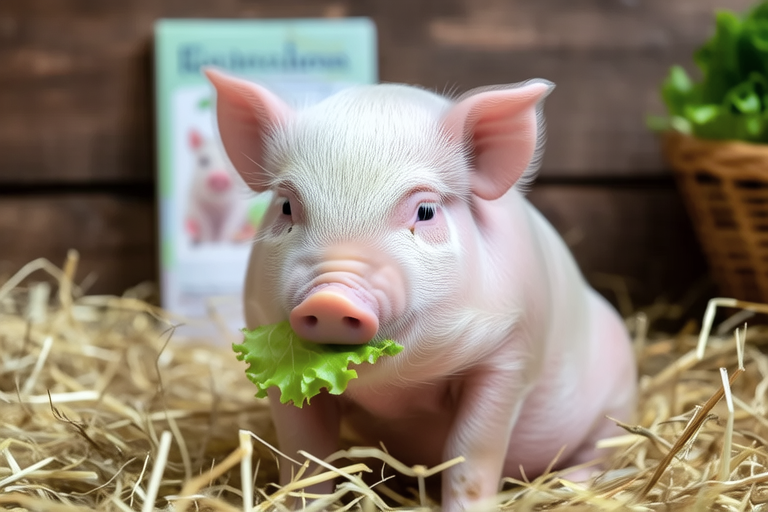
Guinea Pig Care: A Comprehensive Guide for First-Time Owners
Welcome to the wonderful world of guinea pig ownership! These adorable, sociable creatures make fantastic pets for families and individuals alike. Before you bring home your new furry friend, it’s important to understand their specific needs and how to provide a safe, comfortable environment for them. This guide will walk you through everything from selecting the right guinea pig to maintaining their health and happiness.
Selecting the Right Guinea Pig
Choosing the right guinea pig is crucial for ensuring compatibility and long-term happiness. Look for a healthy animal that is active, alert, and curious. Check that their eyes are clear and free of discharge, their coat is smooth and free of bald patches or sores, and their teeth appear normal without overgrowth. It’s also wise to choose a guinea pig from a reputable breeder or shelter, where they can provide more information about the animal’s history and health.
Proper Housing Setup
Guinea pigs need spacious, clean living quarters. A cage that is at least 7.5 square feet (68 inches by 30 inches) is recommended for one guinea pig, but two or more require even larger spaces. The cage should be lined with bedding made of soft, absorbent materials like shredded paper or recycled paper pellets, which are safer than wood shavings. Avoid cedar and pine shavings, as they contain aromatic oils that can irritate your pet’s respiratory system. Provide a solid floor area for part of the cage to prevent foot problems, and ensure the cage has adequate ventilation.
Dietary Needs
A balanced diet is vital for a guinea pig’s health. They require a constant supply of high-quality grass hay, such as timothy hay, which aids digestion and prevents dental issues. Fresh vegetables should make up about 10% of their daily intake, with dark leafy greens like kale, spinach, and romaine lettuce being particularly beneficial. Fruits should be offered sparingly due to their sugar content. Always introduce new foods gradually to monitor for any adverse reactions.
Hygiene and Grooming Practices
Maintaining good hygiene is key to keeping your guinea pig healthy. Clean the cage regularly, removing soiled bedding and replacing it with fresh material. Spot clean daily and perform a full cleaning once a week. Regular grooming helps keep their coat in top condition. Brush them weekly using a soft brush designed for small animals, especially if they have longer coats. Trim nails every few weeks if needed, and check ears and eyes daily for any signs of irritation or infection.
Exercise and Playtime Recommendations
Guinea pigs are naturally active and enjoy exploration. Provide toys such as tunnels, chew blocks, and exercise wheels specifically designed for guinea pigs. Rotate toys periodically to keep them engaged. Supervised time outside the cage allows them to explore safely, but always supervise closely to prevent accidents. Ensure any play area is free of hazards like small objects that could be swallowed or sharp edges.
Health Care Basics
Regular veterinary check-ups are essential for early detection of potential health issues. Common signs of illness include lethargy, loss of appetite, changes in bathroom habits, or unusual behavior. Keep an eye out for symptoms like runny nose, coughing, or difficulty breathing, which may indicate respiratory infections. Dental problems are also common; watch for excessive drooling or trouble eating. Vaccinations are not typically required for indoor guinea pigs, but discuss this with your vet based on local conditions.
Socializing and Bonding
Social interaction is crucial for a guinea pig’s well-being. Spend quality time each day handling and playing with your pet. Use gentle, calm movements when picking them up, supporting their body fully with both hands. Start by sitting on the floor or ground level to reduce stress. Let them get used to your presence before attempting to handle them. Guinea pigs are social animals, so consider adopting another guinea pig companion to keep them company if possible.
Tips for Creating a Safe Environment
Ensure your home is safe for your guinea pig. Keep electrical cords and toxic plants out of reach. Secure all areas where they might escape, and cover any gaps in the cage. Provide hiding spots within the cage for security. Use ramps or stairs for easy access to higher levels, and avoid placing the cage near drafts or direct sunlight.
Handling Techniques
Handle your guinea pig gently and confidently. Approach slowly, allowing them to become accustomed to your presence. When picking them up, support their entire body with one hand under their chest and the other supporting their hindquarters. Place them back down carefully, ensuring they land safely on all four feet. Practice patience and consistency, rewarding positive interactions with treats or praise.
Common Mistakes to Avoid
One common mistake is neglecting regular health checks. Another is failing to provide enough space or enrichment opportunities, leading to boredom or stress. Overfeeding sugary treats can cause obesity and other health issues. Always research thoroughly before making any major changes to your pet’s routine or environment.
In conclusion, owning a guinea pig is a rewarding experience filled with joy and companionship. By following these guidelines, you’ll be well on your way to providing your new friend with a happy, healthy life. Remember, every guinea pig is unique, so pay close attention to their individual preferences and needs. With love, care, and attention, you’ll build a strong bond that lasts a lifetime.
