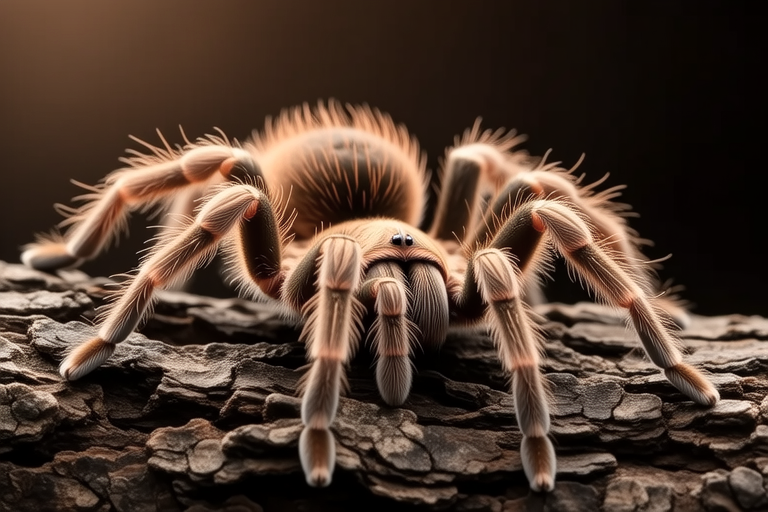
Tarantulas: From Terrifying to Cherished Pets
When most people think of tarantulas, they imagine large, hairy spiders that evoke fear and disgust. However, these arachnids have a growing number of enthusiasts who see them as fascinating and rewarding pets. This article explores the dual perceptions of tarantulas, delves into the various species suitable for captivity, and provides information on their care requirements and the unique bonds that owners can form with these creatures.
The Terrifying Reputation of Tarantulas
For many, the thought of keeping a tarantula as a pet is unimaginable. The common perception is that tarantulas are aggressive, dangerous, and unsuitable for domestic life. Their size, often reaching several inches in body length, combined with their intimidating appearance, contributes to this negative image. Additionally, popular media has portrayed tarantulas as deadly predators, which has further fueled their terrifying reputation.
One of the most pervasive myths about tarantulas is that they are highly venomous and pose a significant threat to humans. While it’s true that tarantulas possess venom, their bites are generally harmless to humans. In fact, the venom is primarily used to subdue prey, and the amount injected during a bite is minimal. The pain associated with a tarantula bite is comparable to a bee sting, and allergic reactions are rare.
Charming Qualities of Tarantulas
Despite their intimidating appearance, tarantulas possess numerous endearing qualities that make them appealing pets. Many species are docile and relatively easy to handle, especially when compared to other exotic animals. Tarantulas are also low-maintenance, requiring minimal attention and space. Their quiet nature and nocturnal habits make them ideal for those who prefer pets that don’t demand constant interaction.
Another appealing aspect of tarantulas is their unique behaviors. They are known for their elaborate burrows, which they construct using silk and soil. Observing a tarantula create and maintain its home can be a fascinating experience. Additionally, some species exhibit interesting defensive behaviors, such as kicking urticating hairs or playing dead, which adds to their charm.
Varieties Suitable for Captivity
There are over 900 recognized species of tarantulas, each with its own set of characteristics. When considering tarantulas as pets, it’s important to choose a species that is well-suited for captivity. Some popular choices include:
- Brown Recluse Tarantula (Aphonopelma hentzi): This species is one of the most commonly kept tarantulas due to its docile nature and ease of care. It is native to the southern United States and is known for its brown coloration.
- Chaco Golden Knee Tarantula (Grammostola porteri): Hailing from South America, this tarantula is prized for its striking golden legs and docile temperament. It is relatively easy to care for and is a good choice for beginners.
- Red Rump Tarantula (Brachypelma vagans): Native to Mexico, this tarantula is named for the reddish patch on its abdomen. It is known for its calm demeanor and adaptability, making it an excellent choice for novice tarantula owners.
- Indian Ornamental Tarantula (Poecilotheria regalis): This species is highly sought after for its vibrant colors and impressive size. However, it requires more advanced care and is better suited for experienced tarantula owners.
Care Requirements
Proper care is essential for ensuring the health and well-being of your tarantula. Here are some key aspects of tarantula care:
Housing
Tarantulas require a secure enclosure that mimics their natural habitat. A glass or plastic tank with a tight-fitting lid is ideal. The size of the enclosure depends on the species, but a general rule of thumb is to provide at least five times the leg span of the tarantula in both width and depth. For example, a tarantula with a six-inch leg span would need an enclosure that is at least 30 inches wide and deep.
The substrate should be at least four inches deep to allow for burrowing. Coconut fiber, peat moss, or a mixture of soil and vermiculite are popular choices. The enclosure should also include hiding spots, such as cork bark or half logs, to provide security.
Temperature and Humidity
Tarantulas are ectothermic, meaning they rely on external sources of heat to regulate their body temperature. The optimal temperature range for most tarantulas is between 75°F and 85°F (24°C to 29°C). A heat mat placed underneath one side of the enclosure can help maintain this temperature gradient.
Humidity levels vary depending on the species. Most tarantulas thrive in environments with 60% to 80% humidity. A hygrometer can be used to monitor humidity levels, and a water dish can be provided to increase moisture if necessary.
Diet
Tarantulas are carnivorous and feed on a variety of insects, including crickets, mealworms, and dubia roaches. The size of the prey should be appropriate for the tarantula, typically no larger than half the size of the spider’s body. Feeding frequency depends on the age and size of the tarantula, but most adults can be fed once every week or two.
It’s important to dust the prey with calcium and vitamin supplements to ensure proper nutrition. Additionally, live prey should be gut-loaded, meaning they should be fed nutritious food before being offered to the tarantula.
The Unique Bond Between Owners and Tarantulas
While tarantulas may not be cuddly companions like dogs or cats, they can form a unique bond with their owners. Observing their behaviors, such as feeding, molting, and constructing burrows, can be a rewarding experience. Many tarantula owners develop a deep appreciation for their pets’ individual personalities and quirks.
Handling tarantulas requires patience and practice. Some species are more tolerant of handling than others, and even then, it should be done carefully to avoid stressing the tarantula. A gentle approach, using a soft brush or hand, can help acclimate the tarantula to being touched.
Myths Debunked
Several misconceptions about tarantulas persist, and it’s important to separate fact from fiction:
- Myth: All tarantulas are aggressive. Reality: While some species can be defensive, many are docile and unlikely to attack unless provoked.
- Myth: Tarantulas are dangerous to humans. Reality: Tarantula venom is generally harmless to humans, and bites are rare.
- Myth: Tarantulas cannot be kept as pets. Reality: Many species of tarantulas are well-suited for captivity and can make fascinating and rewarding pets.
Tips for Successful Tarantula Ownership
To ensure a positive experience with your tarantula, consider the following tips:
- Research thoroughly: Before acquiring a tarantula, learn about its specific care requirements and behavior. Understanding the species you’re interested in will help you provide the best possible care.
- Start with a beginner-friendly species: If you’re new to tarantula ownership, choose a species known for its docile nature and ease of care.
- Provide a suitable environment: Ensure the enclosure is appropriately sized and equipped with the necessary substrate, hiding spots, and temperature and humidity controls.
- Handle with care: Approach handling with caution and respect for the tarantula’s comfort and safety.
- Observe and interact: Spend time observing your tarantula’s behaviors and interacting with it in a gentle manner to strengthen your bond.
By understanding and addressing the dual perceptions of tarantulas, potential owners can appreciate these creatures for their unique qualities and rewarding pet potential. With proper care and respect, tarantulas can become cherished members of the household, offering a fascinating glimpse into the world of arachnids.
