American Shorthair Cats: A Beginner’s Guide to Raising This Lovable Breed
Welcome to the wonderful world of American Shorthair cats! These charming felines have been a favorite among cat enthusiasts for generations, and it’s easy to see why. Known for their friendly demeanor and robust health, American Shorthairs are perfect companions for first-time cat owners and seasoned pet lovers alike.
Introduction: A Brief History and Popularity
The American Shorthair is one of the oldest cat breeds in North America, having arrived with early settlers. Originally bred for their hunting prowess, these cats have since evolved into beloved family pets. Their popularity continues to grow, thanks to their striking appearance and gentle nature. The breed’s versatility has made it a favorite in homes across the country, and they are often seen at cat shows, winning over judges and spectators with their charm.
Physical Characteristics
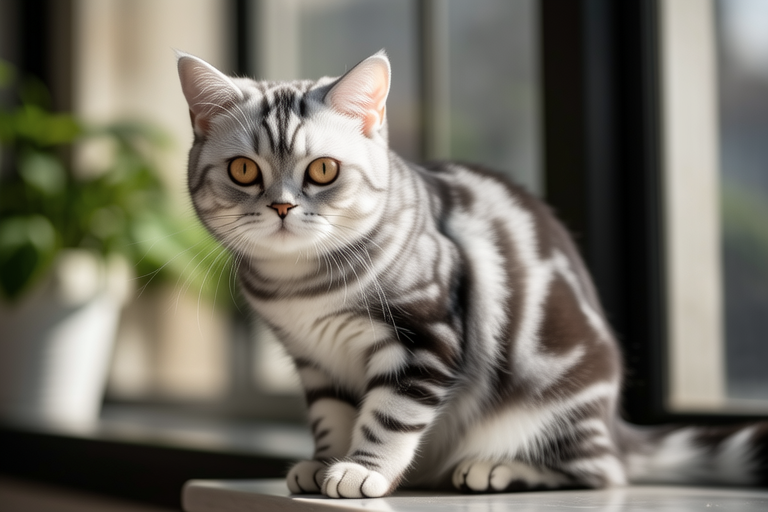
American Shorthair cats are medium-sized, muscular cats with a sturdy build. They possess a broad chest, strong legs, and a well-proportioned body that gives them a balanced look. Their heads are round, with wide-set eyes that can be green, blue, or copper, depending on the coat color. Their ears are medium-sized and slightly rounded at the tips. One of the most distinctive features of the American Shorthair is its short, dense coat, which comes in a variety of colors and patterns. These include solid colors like black, white, and red, as well as tabby, calico, and tortoiseshell patterns.
Temperament
One of the reasons American Shorthairs are such popular pets is their friendly and adaptable temperament. They are known for being affectionate, calm, and patient, making them excellent companions for families with children and other pets. While they enjoy human interaction, they are also independent enough to entertain themselves when necessary. This balance between sociability and self-sufficiency makes them ideal for both active households and quieter environments.
Common Health Issues
Despite their overall good health, American Shorthairs can be prone to certain genetic conditions. Hip dysplasia, a condition affecting the hip joint, can cause mobility issues. Hypertrophic cardiomyopathy (HCM), a heart disease, is another concern, especially in older cats. Regular veterinary check-ups can help catch these issues early and manage them effectively. Additionally, maintaining a healthy weight through proper diet and exercise can reduce the risk of obesity-related health problems.
Grooming Tips
Grooming your American Shorthair is relatively simple due to their short coat. However, regular brushing is still important to prevent matting and to distribute natural oils throughout the fur. Use a soft-bristled brush or a grooming glove to gently brush your cat several times a week. Bathing should only be done occasionally, as frequent washing can strip away essential oils from their skin. When bathing, use a mild, cat-specific shampoo and ensure you rinse thoroughly to remove all soap residue.
Diet and Nutrition
Feeding your American Shorthair a balanced diet is crucial for their overall health. Choose high-quality commercial cat food that meets their nutritional needs. Look for options that list meat as the primary ingredient, as cats are obligate carnivores. Avoid foods with fillers like corn or wheat, which provide little nutritional value. Consult with your veterinarian to determine the appropriate portion size based on your cat’s age, weight, and activity level. Fresh water should always be available to keep your cat hydrated.
Exercise Needs
While American Shorthairs are generally less active than some other breeds, they still require regular exercise to maintain their health and happiness. Provide interactive toys such as feather wands or laser pointers to stimulate their minds and bodies. Puzzle feeders can also encourage mental engagement while providing a fun way to distribute meals. Climbing structures and scratching posts offer opportunities for physical activity and help keep claws sharp and healthy. Daily play sessions will strengthen the bond between you and your cat while ensuring they stay fit and trim.
Training Methods
Training your American Shorthair can be a rewarding experience, fostering a deeper connection between you and your pet. Positive reinforcement techniques, such as offering treats or praise, work best for teaching basic commands like “sit” or “come.” Consistency is key; use the same word or hand signal each time you ask your cat to perform a specific action. Be patient and keep training sessions short but frequent to avoid overwhelming your pet. With time and practice, you’ll find that your American Shorthair responds well to these methods, making training a delightful part of your daily routine.
Socializing and Bonding
Building a strong relationship with your American Shorthair is essential for their emotional well-being. Spend quality time together by playing, grooming, and simply sitting quietly in their company. Gradually introduce new people and animals to your home to help your cat feel comfortable in various social settings. Encourage gentle handling from an early age so that they become accustomed to being touched and examined. Establish routines for feeding, playtime, and bedtime to create a sense of security and predictability. By fostering trust and understanding, you’ll develop a loving bond that lasts a lifetime.
In conclusion, raising an American Shorthair cat can be a joyous and enriching experience. From their striking appearance to their friendly disposition, these cats bring much love and companionship into our lives. By following the guidelines outlined in this guide, you’ll be well-equipped to provide your furry friend with the care they need to thrive. Remember that every cat is unique, so take the time to understand your individual pet’s preferences and needs. With patience, love, and attention, you’ll enjoy many happy years together.
