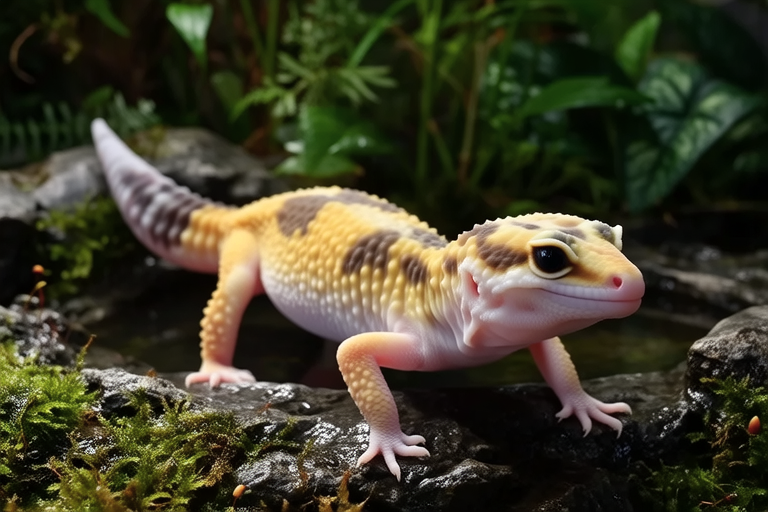
Leopard Gecko Care Made Easy: A Step-by-Step Beginner’s Guide
Welcome to your comprehensive guide on caring for leopard geckos! Whether you’re a first-time reptile owner or looking to expand your pet family, this guide will help you understand the unique needs of these charming creatures. Leopard geckos are popular pets due to their docile nature, ease of care, and relatively low maintenance. Let’s dive into the essentials of providing a safe and comfortable environment for your new friend.
1. Habitat Setup: Creating a Safe and Comfortable Home
The first step in leopard gecko care is setting up a suitable habitat. This includes choosing the right tank size, substrate, and accessories.
Tank Size
A 20-gallon long tank is ideal for one adult leopard gecko. Larger tanks can accommodate multiple geckos, but ensure there’s enough space for each to have its own territory. Avoid overcrowding, as it can lead to stress and aggression.
Substrate
Choose a safe substrate that mimics the gecko’s natural environment. Reptile carpet or paper towels are excellent choices for beginners, as they are easy to clean and pose no risk of ingestion. Avoid loose substrates like sand, as they can cause impaction if ingested.
Hiding Spots
Geckos need hiding spots to feel secure. Provide at least two hide boxes: one on the warm side and another on the cool side of the tank. This allows the gecko to regulate its body temperature and provides a sense of security.
Lighting
Leopard geckos are nocturnal, so they don’t require UVB lighting. However, a low-wattage red or blue bulb can be used for night viewing without disturbing their sleep cycle. Ensure the light is positioned outside the tank to prevent burns.
Heating
Heat is crucial for digestion and overall health. Use a heat mat or under-tank heater to maintain a warm spot of around 88-90°F (31-32°C). The cool end should be about 75-80°F (24-27°C). Always use a thermostat to monitor and control the temperature.
2. Diet and Feeding Habits
Proper nutrition is vital for your gecko’s health. Leopard geckos are insectivores, meaning their diet consists primarily of insects.
Feeding Frequency
Feed adult geckos every other day, offering 2-3 appropriately sized insects per feeding. Juveniles may require daily feedings due to their rapid growth.
Types of Food
Offer a variety of feeder insects such as crickets, dubia roaches, mealworms, and waxworms. Dust the insects with calcium powder and multivitamin supplements before feeding to ensure a balanced diet.
Hydration
Leopard geckos obtain most of their hydration from their food. However, it’s important to provide a shallow water dish for drinking. Change the water daily to keep it fresh.
3. Health Care Basics
Maintaining good health involves regular check-ups and addressing potential issues promptly.
Regular Check-Ups
Observe your gecko daily for any signs of illness or injury. Look for changes in behavior, appetite, or physical appearance. Early detection can prevent more serious health problems.
Common Health Issues
Metabolic bone disease (MBD) is a common issue caused by calcium deficiency. Symptoms include swollen limbs and difficulty moving. Ensure your gecko has access to a calcium-dusted diet and proper UVB lighting.
Veterinary Care
Find a veterinarian experienced in reptile care. Regular visits can help catch and treat health issues early. Keep a list of emergency contacts handy for unexpected situations.
4. Handling Tips
Handling your gecko gently and frequently helps build trust and ensures they remain calm during interactions.
Gentle Handling
Pick up your gecko by supporting its body with both hands, avoiding the tail. Never pick them up by the tail, as this can cause injury. Allow them to walk onto your hand rather than grabbing them.
Frequency of Handling
Handle your gecko gently but regularly. Start with short sessions and gradually increase the time as they become more comfortable. This helps build trust and reduces stress.
5. Common Mistakes to Avoid
Avoiding common pitfalls can significantly improve your gecko’s quality of life.
Inadequate Heating
Failing to provide appropriate heating can lead to poor digestion and weakened immune systems. Always use a reliable thermometer to monitor temperatures within the tank.
Improper Substrate
Using unsafe substrates like sand or gravel can lead to impaction. Stick to safer options like reptile carpet or paper towels.
Overfeeding
Excessive feeding can lead to obesity and related health issues. Stick to the recommended feeding frequency and portion sizes.
Conclusion
Caring for a leopard gecko is a rewarding experience when done correctly. By following the guidelines outlined in this beginner’s guide, you’ll create a nurturing environment that promotes your gecko’s health and happiness. Remember, each gecko is unique, so pay close attention to their individual needs and preferences. With patience and dedication, you’ll enjoy a long and fulfilling relationship with your new pet.
