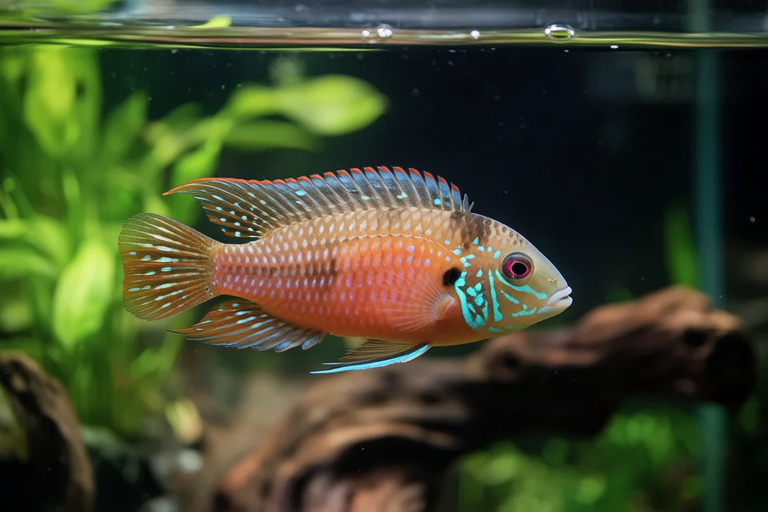
Adopting a Pet Parrot Fish: Everything First-Time Owners Should Consider
Welcome to the vibrant world of pet parrot fish! As a first-time owner, you’re about to embark on an exciting journey with one of nature’s most colorful and captivating creatures. This guide will provide you with everything you need to know to ensure your parrot fish thrives in its new home.
Unique Characteristics of Parrot Fish
Parrot fish are known for their striking appearance and vibrant colors, which can range from bright oranges and yellows to deep purples and blues. These fish are also notable for their robust bodies and large, rounded fins that give them a distinct look. One of the most fascinating aspects of parrot fish is their ability to change color depending on their mood or environment, making each day with your pet a visual treat. Additionally, parrot fish are highly social and often display curious and interactive behaviors, making them delightful companions.
Suitable Tank Setups
Setting up the right aquarium is crucial for the well-being of your parrot fish. A minimum tank size of 75 gallons is recommended to accommodate their swimming space and activity level. The tank should be equipped with a robust filtration system capable of handling high levels of waste, as parrot fish produce more than average due to their diet. Ensure the tank has ample hiding spots, such as caves and plants, to provide security and reduce stress. Regular water changes, typically 20% weekly, are essential to maintain water quality.
Dietary Requirements
Feeding your parrot fish a balanced diet is vital for their health and longevity. Their diet should primarily consist of high-quality pellets designed for herbivorous fish. You can supplement this with fresh vegetables like zucchini, peas, and spinach. It’s important to avoid overfeeding, as excess food can lead to poor water quality and health issues. Feed your parrot fish once daily, providing enough food to be consumed within two minutes. Variety is key; consider adding occasional treats like spirulina flakes or bloodworms to enhance their diet.
Common Health Issues
Parrot fish are generally hardy, but they can be prone to certain health issues if not cared for properly. Common ailments include swim bladder disorders, fin rot, and parasitic infections. Early signs of illness may include loss of appetite, lethargy, or unusual behavior. To prevent these issues, maintain optimal water conditions and quarantine new additions to the tank. Regular check-ups by a veterinarian specializing in exotic pets can help catch problems early and ensure your fish remains healthy.
Maintaining a Healthy Environment
Creating a stimulating and safe environment is essential for your parrot fish’s happiness. In addition to the physical setup, consider enriching their habitat with interactive toys and puzzles to keep them mentally engaged. Rotate these items periodically to prevent boredom. Regular water testing and maintenance are critical to preventing diseases and ensuring a clean living space. Use a reliable water testing kit to monitor parameters like pH, ammonia, nitrite, and nitrate levels. Adjustments may be necessary based on test results to maintain optimal conditions.
Behavioral Patterns
Understanding your parrot fish’s behavior can greatly enhance your bond and care routine. Parrot fish are generally peaceful and enjoy interacting with their surroundings. They may exhibit territorial behavior towards other fish, so it’s important to introduce tank mates gradually and observe interactions closely. Providing ample space and hiding spots can help mitigate potential conflicts. Encourage natural behaviors by offering varied feeding times and locations, which can stimulate their curiosity and engagement.
The Importance of Regular Water Maintenance
Water quality is paramount for the health of your parrot fish. Regular water changes and maintenance are crucial to prevent disease and ensure a clean environment. Aim for a 20% water change weekly, using a gravel vacuum to remove debris and uneaten food. Test the water regularly for pH, ammonia, nitrite, and nitrate levels, and make adjustments as needed. Proper filtration and biological filtration are also essential to break down waste products and maintain a stable ecosystem.
Mental Stimulation
To ensure your parrot fish stays mentally stimulated and happy, incorporate enrichment activities into their daily routine. Floating toys, sinking treats, and interactive feeders can provide entertainment and mental challenges. Rotate these items periodically to prevent boredom and encourage exploration. Additionally, consider rearranging tank decorations occasionally to offer new perspectives and stimulate curiosity. Engaging with your fish through gentle interactions can also strengthen your bond and promote a positive environment.
Initial Setup Costs and Ongoing Expenses
When adopting a parrot fish, it’s important to budget for both initial setup and ongoing expenses. Initial costs may include purchasing the aquarium, filtration system, lighting, and other necessary equipment. High-quality fish food and supplements are also essential investments. Ongoing expenses will include regular water testing kits, food, and any necessary medications or treatments. Setting aside a monthly budget for these items can help ensure your parrot fish receives the best care possible.
Conclusion
Adopting a pet parrot fish is a rewarding experience that requires careful consideration and preparation. By understanding their unique needs and providing a nurturing environment, you can ensure your fish leads a long, healthy, and happy life. With proper care and attention, your parrot fish will become a cherished member of your family, bringing joy and beauty to your home. Embrace this adventure with confidence, knowing you’re providing the best possible care for your aquatic companion.
