Unveiling the Secrets of Raising a Happy and Healthy Siamese Cat
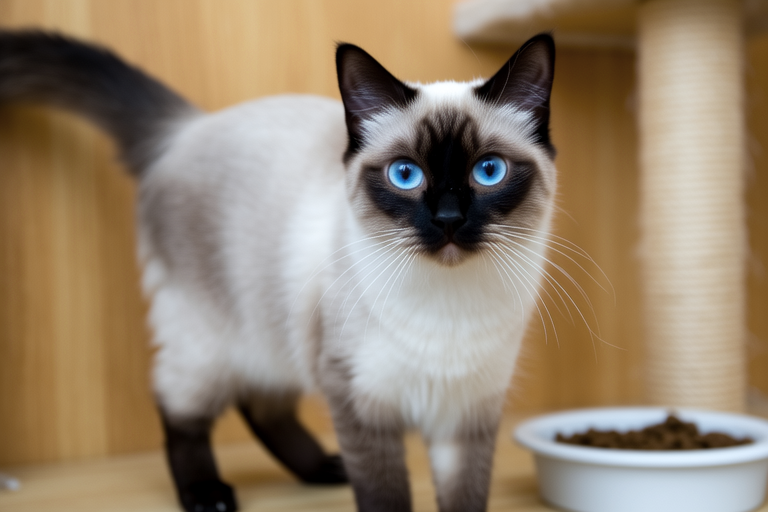
Welcome to the wonderful world of Siamese cats! Known for their striking blue almond-shaped eyes, sleek coat, and vocal nature, these cats have captured the hearts of many pet owners. If you’re considering bringing a Siamese into your home or already have one, this guide will help you understand how to provide the best care for your feline friend. We’ll explore their unique behavior, dietary needs, exercise requirements, grooming tips, common health issues, and ways to enrich their environment for optimal happiness and well-being.
Understanding Siamese Cat Behavior
Siamese cats are highly social and intelligent animals. They thrive on human interaction and often form strong bonds with their owners. These cats are known for their talkative nature; they enjoy ‘conversing’ with their humans, which can sometimes be mistaken for constant meowing. It’s important to understand that this vocalization is their way of expressing themselves and seeking attention. Providing them with toys and interactive playtime can help reduce excessive vocalization.
Siamese cats are also very curious and playful. They love to explore and investigate their surroundings, so it’s crucial to cat-proof your home to keep them safe. Their intelligence means they can learn tricks and respond well to positive reinforcement training methods. Interactive toys like puzzle feeders can stimulate their minds and keep them entertained.
Dietary Needs of Siamese Cats
Siamese cats require a balanced diet rich in proteins, fats, vitamins, and minerals. High-quality commercial cat food specifically formulated for their life stage (kitten, adult, senior) is usually sufficient. However, it’s essential to consult with your veterinarian to determine the appropriate amount of food based on your cat’s age, weight, and activity level.
Some Siamese cats may develop food allergies, so monitoring their reactions to different ingredients is crucial. Common allergens include chicken, beef, and fish. If you suspect your cat has an allergy, discuss potential dietary changes with your vet. Additionally, ensure fresh water is always available to prevent dehydration.
Exercise Requirements
Siamese cats are active and agile creatures that need regular exercise to maintain their physical and mental health. Interactive play sessions with toys like laser pointers, feather wands, and automatic cat toys can help satisfy their hunting instincts. Climbing trees, scratching posts, and window perches also provide opportunities for physical activity.
Encouraging exercise through play not only helps keep your Siamese fit but also strengthens the bond between you and your cat. Aim for at least 15-20 minutes of playtime each day. This interaction can also serve as a stress reliever for both you and your cat.
Grooming Tips
Siamese cats have short coats that require minimal grooming. Weekly brushing helps remove loose hair and prevents matting. However, their coat color points darken with age and exposure to sunlight, which can lead to uneven pigmentation. Regular grooming can help distribute natural oils evenly across the coat, promoting healthy skin and fur.
Pay special attention to their ears and teeth. Clean their ears gently with a cotton ball and a vet-approved ear cleaner if necessary. Dental hygiene is vital for overall health, so brush your cat’s teeth regularly using a cat-specific toothbrush and toothpaste. Dental treats and chew toys can also promote oral health.
Common Health Issues
Siamese cats are generally healthy, but some genetic predispositions exist. Progressive retinal atrophy (PRA), a degenerative eye disease that can lead to blindness, is more common in Siamese than other breeds. Regular veterinary check-ups can help monitor eye health. Early signs of PRA include dilated pupils and difficulty seeing in low light.
Congenital heart defects, such as hypertrophic cardiomyopathy (HCM), are also prevalent in Siamese cats. HCM causes thickening of the heart muscle, leading to reduced blood flow. Symptoms include lethargy, rapid breathing, and sudden collapse. Genetic testing can identify carriers of these conditions before breeding.
Upper respiratory infections (URIs) are another concern for Siamese cats. URIs are typically caused by viruses and bacteria and can be spread easily among cats living in close quarters. Keep your Siamese cat up-to-date on vaccinations and avoid exposing them to sick animals. Signs of URI include sneezing, runny nose, and watery eyes.
Enriching Your Siamese Cat’s Environment
To ensure your Siamese cat leads a happy and healthy life, it’s essential to create an enriched environment that meets their physical and emotional needs. Provide multiple scratching posts in various locations throughout your home. Scratching is a natural behavior for cats that helps them mark territory, stretch muscles, and shed old nail layers.
Interactive toys and puzzles can stimulate their minds and provide entertainment. Consider creating vertical spaces for climbing and resting, such as cat trees or shelves. These structures mimic their natural habitat and allow your Siamese to express their climbing instincts.
Establish a routine that includes playtime, feeding, and grooming. Cats thrive on consistency, and having a predictable schedule can reduce anxiety. Spend quality time with your Siamese cat daily, offering affection and companionship. Positive reinforcement training can also strengthen the bond between you and your pet.
The Unique Characteristics of Siamese Cats
Siamese cats possess several unique characteristics that should be considered when caring for them. Their vocal nature requires understanding and patience. Responding positively to their calls can encourage quieter communication over time. Their intelligence means they need mental stimulation, so provide plenty of toys and activities to keep their minds engaged.
Siamese cats are sensitive to changes in their environment, so gradual introductions to new people, pets, or places are recommended. They also tend to form strong attachments to their owners, making them excellent companions but potentially prone to separation anxiety. Ensuring they have company during the day, whether through the presence of another pet or interactive toys, can alleviate this issue.
Conclusion
Raising a happy and healthy Siamese cat involves understanding their unique behavioral traits, providing proper nutrition, ensuring adequate exercise, maintaining good grooming practices, being aware of common health issues, and enriching their environment. By following these guidelines and dedicating time and effort to your Siamese cat, you’ll foster a loving and fulfilling relationship that benefits both you and your pet. Remember, every cat is an individual, so tailor your approach based on your Siamese’s specific needs and preferences.
