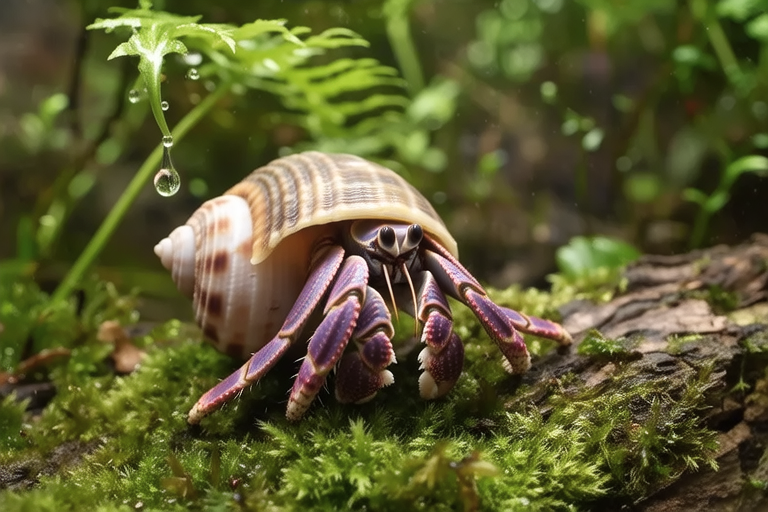
Hermit Crabs in Captivity: Tips for Creating the Perfect Mini Rainforest at Home
Welcome to the fascinating world of hermit crabs! These delightful creatures have become increasingly popular as pets due to their unique appearance and relatively low maintenance. However, to ensure the health and happiness of your hermit crabs, it’s crucial to recreate their natural rainforest habitat as closely as possible. In this article, we’ll guide you through setting up the perfect mini rainforest for your hermit crabs, covering everything from habitat requirements and temperature control to substrate options and enrichment activities.
The Importance of Mimicking a Rainforest Environment
Hermit crabs are native to tropical rainforests, where they thrive in warm, humid conditions. To keep them healthy and happy, it’s essential to replicate these environmental factors in captivity. A well-maintained rainforest enclosure can significantly enhance your hermit crabs’ quality of life, promoting longevity and reducing stress.
Habitat Requirements
Creating a suitable habitat for hermit crabs involves several key components:
- Temperature: Hermit crabs prefer temperatures between 75°F and 85°F (24°C to 29°C). Use a reliable thermometer to monitor the enclosure’s temperature and a heat lamp or under-tank heater to maintain it within this range.
- Humidity: Humidity levels should be kept between 70% and 80%. A hygrometer will help you measure and regulate humidity. Mist the enclosure daily with room-temperature water to maintain optimal moisture levels.
- Substrate: The substrate should be deep enough for burrowing and composed of a mix of sand, coconut fiber, and calcium-rich materials like crushed coral or oyster shell. Avoid using soil or potting mix, as these can retain too much moisture and lead to mold growth.
Water Dish Maintenance
Hermit crabs require access to both freshwater and saltwater dishes. Refresh the water daily to prevent bacterial growth and provide clean drinking and soaking opportunities. Use dechlorinated or bottled spring water for the freshwater dish and a commercial saltwater mix for the saltwater dish.
Dietary Needs
Hermit crabs are omnivorous scavengers that enjoy a varied diet. Offer them a mix of fruits, vegetables, protein sources, and commercially available hermit crab food. Rotate their diet regularly to ensure they receive a balanced intake of nutrients. Remove any uneaten food promptly to prevent spoilage and maintain hygiene.
Enrichment Activities
To keep your hermit crabs mentally stimulated and physically active, provide plenty of toys and climbing structures. Incorporate items such as driftwood, cork bark, and plastic plants. Ensure all decorations are non-toxic and safe for hermit crabs. Regularly rotate the items to keep the enclosure fresh and exciting.
Selecting Appropriate Decorations
When choosing decorations for your hermit crabs’ enclosure, consider the following:
- Non-Toxic Materials: Avoid anything that could harm your hermit crabs if ingested or come into contact with them. Opt for natural wood, rocks, and safe plastics.
- Safe Climbing Structures: Provide sturdy branches, logs, and ramps to encourage climbing and exploration.
- Hideouts: Offer multiple hiding spots to reduce stress and promote natural behaviors.
Ensuring a Safe, Stimulating Enclosure
Regular cleaning is essential to maintaining a healthy environment for your hermit crabs. Spot-clean the enclosure daily, removing any waste or uneaten food. Perform a full cleaning every two weeks, replacing the substrate and thoroughly disinfecting all accessories.
Common Care Mistakes to Avoid
Avoid these common pitfalls to ensure the best care for your hermit crabs:
- Overheating: Keep the enclosure’s temperature within the recommended range to prevent overheating, which can be fatal.
- Low Humidity: Insufficient humidity can cause respiratory issues and molting problems.
- Poor Diet: A lack of variety in their diet can lead to nutritional deficiencies.
Spotting Signs of Distress
Monitor your hermit crabs for signs of distress, including:
- Lethargy: Unusual sluggishness or reluctance to move.
- Abnormal Behavior: Aggression, loss of appetite, or excessive hiding.
- Molting Issues: Difficulty shedding their exoskeleton or prolonged molting periods.
If you notice any of these signs, consult a veterinarian specializing in exotic animals for guidance.
Fostering a Sustainable and Ethical Approach
Support ethical practices by purchasing hermit crabs from reputable breeders rather than wild-caught specimens. Additionally, consider adopting rescue hermit crabs from shelters or rescue organizations.
Conclusion
By creating a mini rainforest for your hermit crabs, you’re not only providing them with a comfortable living space but also enhancing their overall well-being. Remember to regularly monitor and adjust their environment, offer a diverse diet, and enrich their enclosure with safe and stimulating decorations. With proper care and attention, your hermit crabs will live long, healthy lives in their new home.
