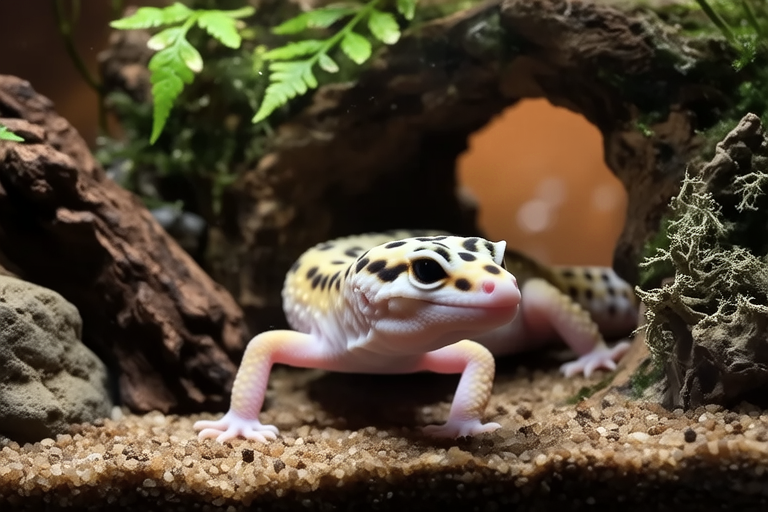
Transforming Your Space into a Leopard Gecko Paradise: A Step-by-Step Guide
Welcome to the fascinating world of leopard geckos! These charming reptiles make wonderful pets, but to ensure their happiness and well-being, it’s crucial to create a living space that mimics their natural habitat as closely as possible. This guide will walk you through the process of setting up an optimal living environment for your leopard gecko, covering everything from selecting the right tank size to maintaining cleanliness.
Selecting the Right Tank Size
The first step in creating a leopard gecko paradise is choosing the appropriate tank size. Leopard geckos need enough space to move around comfortably, explore, and thermoregulate. A 10-gallon tank is sufficient for a single adult leopard gecko, while larger tanks, such as 20 gallons or more, are ideal for multiple geckos or when you want to provide more enrichment. Always opt for a glass terrarium with secure lids to prevent escapes and maintain humidity levels.
Temperature Gradients
Leopard geckos are ectothermic, meaning they rely on external heat sources to regulate their body temperature. Providing a temperature gradient within the enclosure is essential for their health and well-being. The warm side of the tank should be between 88°F and 90°F (31°C-32°C), while the cool side should range from 75°F to 80°F (24°C-27°C). Use a reliable digital thermometer to monitor these temperatures and adjust heating elements as necessary. Ceramic heat emitters, under-tank heaters, or basking lights can help achieve the desired warmth.
Humidity Levels
While leopard geckos prefer dry environments, maintaining a relative humidity level of 30%-40% is important for their overall health. Excessive moisture can lead to respiratory issues and skin infections, so it’s crucial to avoid over-humidifying the enclosure. Proper ventilation ensures that any excess moisture can escape, keeping the air fresh and preventing mold growth. Place a hygrometer in the tank to track humidity levels and use a misting system sparingly if needed.
Substrate Types
The substrate you choose plays a significant role in your gecko’s comfort and safety. Avoid substrates like sand, which can cause impaction if ingested. Instead, opt for safe alternatives such as paper towels, reptile carpet, or eco-friendly bedding like coconut fiber or aspen shavings. These materials are easy to clean, absorb waste, and provide a comfortable surface for your gecko to move around on. Regularly spot-clean the substrate to remove feces and uneaten food, and perform full tank cleanings every few weeks to maintain hygiene.
Hiding Spots
Leopard geckos are nocturnal creatures that naturally seek shelter during the day. Providing multiple hiding spots throughout the enclosure allows them to feel secure and reduces stress. You can use commercially available hide boxes or create DIY options using small, shallow containers with entrance holes. Place one hide on the warm side and another on the cool side to give your gecko options depending on its temperature preference. Adding soft, naturalistic decorations like silk plants or cork rounds can also enhance the enclosure’s aesthetic appeal.
Lighting Requirements
Although leopard geckos are primarily nocturnal, proper lighting is still essential for their health. Full-spectrum UVB lighting promotes calcium absorption and vitamin D synthesis, which helps prevent metabolic bone disease. Use a low-wattage fluorescent bulb designed specifically for reptiles, and position it so that it provides light for approximately 10-12 hours per day. Remember to replace the bulb every six months, even if it appears to be working correctly, to ensure optimal output. Additionally, providing a dim night light can help simulate natural day-night cycles without disturbing your gecko’s sleep patterns.
Suitable Decorations
Incorporating appropriate decorations into your leopard gecko’s enclosure can enrich its environment and stimulate natural behaviors. Rocks, branches, and artificial plants can create climbing opportunities and hiding places, encouraging exploration and exercise. However, ensure that all items are securely anchored to prevent accidents. When selecting decor, prioritize safety by avoiding sharp edges, toxic materials, and small objects that could pose choking hazards. Rotate decorations periodically to keep the enclosure fresh and exciting for your gecko.
Ventilation Needs
Proper ventilation is crucial for maintaining a healthy environment within the enclosure. Adequate airflow prevents the buildup of harmful gases and excess moisture, promoting better respiratory health for your gecko. Ensure that the tank has sufficient ventilation holes or mesh screens along the sides and top. Avoid placing the enclosure in areas with direct drafts or excessive heat, as this can disrupt the internal climate. Regularly inspect ventilation points to ensure they remain unobstructed and free from debris.
Maintaining Cleanliness
Keeping your leopard gecko’s enclosure clean is vital for its health and longevity. Spot-clean daily by removing waste and uneaten food, and perform thorough cleaning sessions every two to four weeks. Disassemble the tank carefully, soaking all non-substrate components in a mild bleach solution (one part bleach to ten parts water) for 15 minutes. Rinse thoroughly with clean water and allow everything to dry completely before reassembling the enclosure. Never place your gecko back into the enclosure until it has been fully sanitized and aired out.
Creating a Stress-Free Habitat
Your leopard gecko’s environment should be designed with its comfort and well-being in mind. Minimizing disturbances during the day, maintaining consistent environmental conditions, and providing ample hiding spots can significantly reduce stress levels. Introduce new elements gradually to allow your gecko time to acclimate, and always handle your pet gently and infrequently to avoid unnecessary stress. Creating a predictable routine and minimizing loud noises or sudden movements near the enclosure can further contribute to a calm and peaceful habitat.
Monitoring Your Gecko’s Health
A healthy leopard gecko exhibits regular feeding habits, clear eyes, smooth skin, and active behavior. By regularly observing your gecko’s appearance and activity levels, you can quickly identify potential health issues. Signs of distress may include lethargy, loss of appetite, abnormal stool, or visible injuries. If you notice any concerning symptoms, consult a veterinarian specializing in exotic animals for professional advice. Maintaining a clean, well-maintained enclosure is key to preventing many common health problems and ensuring your gecko thrives in its leopard gecko paradise.
