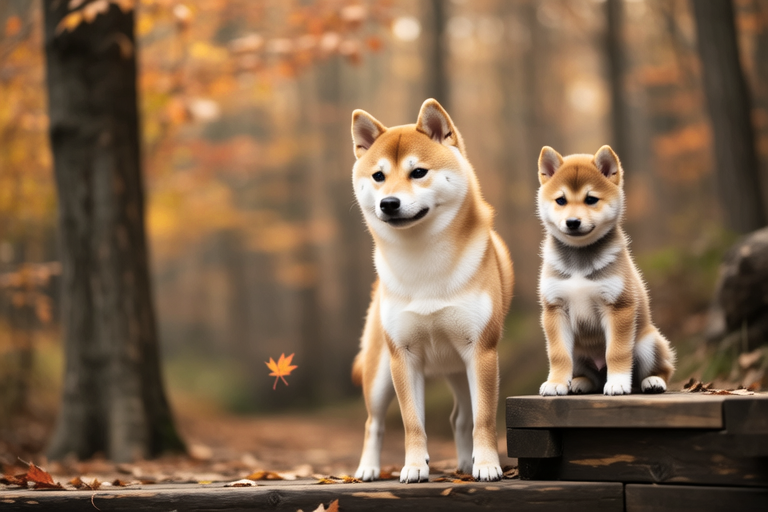
The Ultimate Guide to Owning a Shiba Inu: From Puppies to Adults
Welcome to the world of Shiba Inus! Known for their fox-like appearance and spirited personality, Shibas have been captivating hearts since ancient Japan. This comprehensive guide will walk you through every aspect of owning a Shiba Inu, from selecting the right puppy to managing their unique adult behavior.
Introduction to the Shiba Inu Breed
The Shiba Inu is one of the oldest breeds of dog native to Japan, dating back over 3,000 years. Originating in the mountainous regions of Honshu, these dogs were originally bred for hunting small game and birds. Their name, “Shiba,” means “brushwood” in Japanese, possibly referring to the reddish color of the brushwood trees or the terrain they hunted in. The Shiba Inu’s small size and agility made them ideal companions for hunters. Today, Shibas are cherished as loyal family pets and competitors in various dog sports.
Characterized by their compact, muscular build, the Shiba Inu stands about 14 to 16 inches tall at the shoulder and weighs between 17 to 23 pounds. They have a double coat that sheds seasonally but requires regular brushing to prevent matting. Their eyes are triangular-shaped and dark brown, while their ears are small, pointed, and alert. Shibas come in three primary colors: red, sesame (red fur with black tips), and black and tan.
Selecting the Right Puppy
Choosing the right Shiba Inu puppy is crucial for ensuring a harmonious relationship. Look for a reputable breeder who can provide health clearances for both parents. A good breeder will also screen for genetic diseases like hip dysplasia and progressive retinal atrophy. When visiting potential puppies, observe their interactions with other dogs and humans. A healthy, active puppy should be curious and playful, showing no signs of lethargy or fearfulness.
Ensure the breeder provides all necessary vaccinations and deworming treatments. Additionally, ask about the puppy’s lineage and any behavioral tendencies. Understanding the background of your puppy will help you prepare for specific challenges and celebrate their unique traits.
Basic Care Requirements
Shibas require regular veterinary check-ups to maintain optimal health. Routine vaccinations, dental care, and parasite prevention are essential. Keep their nails trimmed to avoid discomfort during walks and to prevent splitting. Monitor their weight to ensure they remain within a healthy range, as obesity can lead to joint problems and other health issues.
Shibas are generally clean dogs and do not require frequent baths. However, it’s important to keep their ears clean and checked for signs of infection. Use a soft cloth to gently wipe their ears and consult your veterinarian if you notice any discharge or odor.
Grooming Tips
The Shiba Inu’s double coat requires regular grooming to prevent matting and shedding. Brush your Shiba at least twice a week, increasing frequency during shedding seasons. Use a slicker brush to remove loose hair and prevent tangles. Bathe your Shiba only when necessary, as over-bathing can strip their coat of natural oils.
Pay special attention to their facial area, including the eyes and ears, to keep them clean and free from debris. Shibas are prone to tear staining, so wiping their face daily can help minimize this issue.
Dietary Needs
A balanced diet is vital for maintaining your Shiba Inu’s health. Consult with your veterinarian to determine the appropriate amount of food based on your dog’s age, weight, and activity level. High-quality dog food containing lean proteins, complex carbohydrates, and essential vitamins and minerals is recommended. Avoid foods high in fillers, artificial preservatives, and sugars.
Consider incorporating raw bones or chew toys to promote dental health and satisfy their natural chewing instincts. Always supervise your Shiba Inu when giving them bones or chew toys to prevent choking hazards.
Exercise Recommendations
Shibas are energetic dogs that require regular physical activity to stay healthy and happy. Daily walks or runs are essential, providing both mental and physical stimulation. Engage your Shiba in activities such as fetch, hiking, or agility training to challenge their mind and body. Mental stimulation is just as important as physical exercise, so consider puzzle toys or training sessions to keep them engaged.
Despite their energy, Shibas can be independent and may not always enjoy prolonged outdoor activities. Respect their limits and adjust exercise routines accordingly. Indoor play areas or fenced yards can provide a safe space for your Shiba to burn off excess energy.
Training Techniques
Training a Shiba Inu requires patience and consistency. These dogs are intelligent but can be stubborn, making positive reinforcement techniques particularly effective. Reward desired behaviors with treats, praise, or playtime. Avoid harsh corrections, as they can lead to fear or aggression.
Begin training early, focusing on basic commands such as sit, stay, come, and heel. Socialization is also crucial, exposing your Shiba Inu to various environments, people, and animals to prevent fear-based aggression. Enroll in obedience classes or seek professional training if needed. Consistent training builds trust and strengthens the bond between you and your Shiba Inu.
Common Health Issues
While Shibas are generally healthy dogs, they are prone to certain genetic conditions. Hip dysplasia, patellar luxation, and eye disorders such as progressive retinal atrophy are common concerns. Regular veterinary check-ups can help detect and manage these issues early.
Shibas are also susceptible to skin allergies, often triggered by environmental factors or food sensitivities. Monitor your Shiba for signs of itching, scratching, or excessive licking. Consulting with a dermatologist or nutritionist can help identify and address allergens.
Advice for Transitioning from Puppyhood to Adulthood
As your Shiba Inu matures, their behavior and needs may change. Adolescence can bring increased independence and testing boundaries. Continue reinforcing positive behaviors and be patient during this transitional phase. Gradually increase training complexity and introduce new activities to keep them mentally stimulated.
Monitor your Shiba Inu’s weight and adjust their diet as necessary. Older Shibas may develop arthritis or other joint issues, so consider joint supplements or hydrotherapy to alleviate discomfort. Regular vet visits become increasingly important to monitor overall health and address any emerging issues promptly.
Socializing and Bonding with Your Shiba Inu
Socializing your Shiba Inu from an early age is crucial for developing a well-rounded and confident companion. Expose them to various environments, people, and animals to foster positive experiences. Encourage gentle interactions with children and other pets to prevent aggression or fear-based reactions.
Bonding with your Shiba Inu involves spending quality time together, whether through play, training, or simply relaxing at home. Shibas thrive on companionship and enjoy being part of family activities. Engaging in activities that stimulate their mind and body strengthens the bond between you and your dog.
Managing Their Independent Nature
Shibas are known for their independent streak, which can sometimes make training and management challenging. To manage their independence, establish clear rules and boundaries from the start. Consistency is key in reinforcing desired behaviors and preventing unwanted ones.
Provide your Shiba Inu with plenty of mental and physical stimulation to channel their energy positively. Interactive toys and puzzles can keep them engaged and satisfied. Recognize and respect their need for personal space, allowing them time to relax and recharge.
Resources for Further Learning and Community Support
For those seeking additional information or support, numerous resources are available. Books, online forums, and local clubs dedicated to Shiba Inus offer valuable insights and advice. Joining a community of fellow owners can provide emotional support and practical tips. Attend events or workshops to connect with other Shibas and share experiences.
Consulting with professionals such as veterinarians, trainers, and behaviorists can also provide guidance tailored to your individual Shiba Inu. Embrace the journey of owning a Shiba Inu, celebrating their unique qualities and challenges alike.
