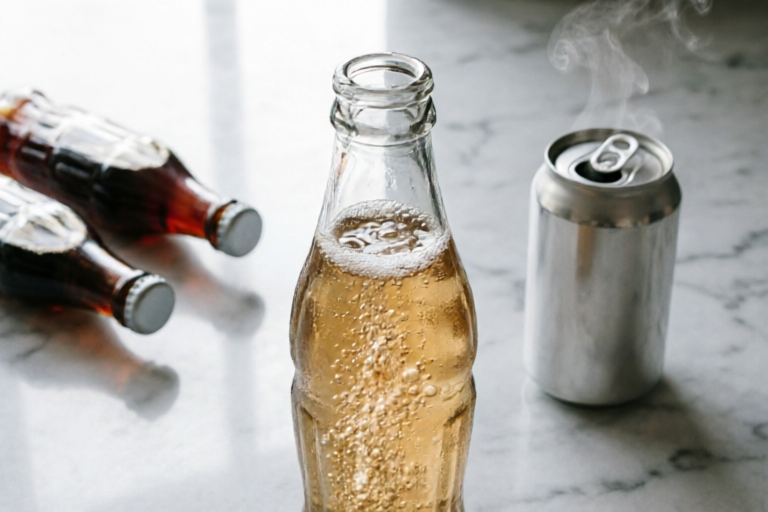
Why Does Soda Fizz When Opened?
Uncover the secrets of soda fizzes!
Introduction to the Phenomenon of Soda Fizzing
Have you ever wondered why soda fizzes when it's opened? This common occurrence is both intriguing and entertaining. When a bottle or can of soda is opened, a rush of bubbles escapes, creating a fizzy sound and sensation. Understanding why this happens involves delving into the science of carbonation and the role of pressure.
Explanation of What Happens When Soda is Opened
When you open a soda, the internal pressure that has been keeping the carbon dioxide dissolved in the liquid is suddenly released. As soon as the cap is removed, the pressure decreases, allowing the carbon dioxide gas to escape from the solution. This process is what creates the characteristic fizz we associate with soda.
Brief Overview of Why This Phenomenon Occurs
The reason soda fizzes when opened lies in the physics of gases and liquids. Carbon dioxide is dissolved in the soda under high pressure. Once the container is opened, the pressure drops, causing the carbon dioxide to come out of solution and form bubbles. These bubbles rise to the surface and burst, creating the fizz.
The Science Behind Carbonation
To understand why soda fizzes, it's essential to explore the science of carbonation. Carbonation refers to the process of dissolving carbon dioxide gas into a liquid, such as water or soda. This process is crucial for creating the refreshing taste and texture of carbonated beverages.
Definition and Explanation of Carbonation
Carbonation is the process by which carbon dioxide gas is dissolved into a liquid under pressure. In the case of soda, carbon dioxide is added during the manufacturing process. The carbon dioxide molecules attach themselves to water molecules, forming carbonic acid, which gives soda its tangy flavor.
How Carbon Dioxide is Dissolved in Soda
Carbon dioxide is dissolved in soda through a process called forced carbonation. During this process, carbon dioxide gas is pumped into the soda under high pressure. This pressure forces the carbon dioxide molecules to dissolve into the liquid. The amount of carbon dioxide that can be dissolved depends on the temperature and pressure of the environment.
Role of Pressure in Maintaining Carbonation
The role of pressure in maintaining carbonation is critical. When soda is bottled or canned, it is pressurized to keep the carbon dioxide dissolved in the liquid. Once the container is opened, the pressure decreases, causing the carbon dioxide to escape. This is why it's important to store soda in a cool place and avoid shaking it before opening to maintain its carbonation.
What Happens When a Bottle or Can is Opened
When a bottle or can of soda is opened, several things happen almost instantaneously. The sudden decrease in pressure inside the container causes a rapid change in the state of the carbon dioxide dissolved in the soda.
Description of the Sudden Release of Pressure
The moment the cap is removed, the internal pressure of the container drops dramatically. This drop in pressure is what triggers the release of carbon dioxide gas from the liquid. The pressure difference between the inside of the container and the outside environment is what drives the gas out of the solution.
Explanation of How Gas Escapes from the Liquid
As the pressure decreases, the carbon dioxide molecules that were previously dissolved in the soda begin to separate from the liquid. They form tiny bubbles that start to rise toward the surface. These bubbles are visible and audible as they escape from the liquid and burst at the surface.
Discussion on the Formation of Bubbles
The formation of bubbles is a key part of the fizzing process. Bubbles form when carbon dioxide molecules gather around tiny imperfections or nucleation sites in the liquid. These sites can be microscopic particles, scratches on the container, or even air pockets trapped in the liquid. As more carbon dioxide accumulates around these sites, the bubbles grow larger and eventually detach from the nucleation site, rising to the surface.
Factors Affecting the Amount of Fizz
The amount of fizz in soda can vary depending on several factors. Understanding these factors can help you enjoy your soda to the fullest and preserve its carbonation.
Influence of Temperature on Carbonation
Temperature plays a significant role in the amount of fizz in soda. Higher temperatures cause the carbon dioxide to escape more quickly, leading to a faster loss of carbonation. Conversely, lower temperatures help maintain carbonation by slowing down the release of carbon dioxide. This is why soda is often stored in refrigerators or served chilled.
Effect of Storage Conditions on Fizziness
The way soda is stored can also affect its fizziness. Storing soda in a cool, dark place helps preserve its carbonation. Exposure to light, heat, or excessive vibrations can accelerate the release of carbon dioxide, reducing the amount of fizz. It's best to store soda upright to prevent air from entering the container and to minimize contact with the opening.
Role of Container Type (Glass vs. Plastic)
The type of container used for soda can influence its fizziness. Glass bottles are generally better at maintaining carbonation than plastic bottles. This is because glass is less permeable to gases, meaning it allows fewer carbon dioxide molecules to escape over time. Plastic bottles, on the other hand, can allow some carbon dioxide to diffuse through the material, leading to a slight loss of carbonation.
Why Bigger Bubbles Appear After Shaking
Shaking a soda bottle or can before opening can lead to the formation of larger bubbles. This phenomenon is due to the increase in nucleation sites caused by the agitation of the liquid.
Explanation of Nucleation Sites
Nucleation sites are tiny imperfections or irregularities in the liquid where bubbles can form. These sites can be microscopic particles, scratches on the container, or even air pockets trapped in the liquid. When soda is shaken, it introduces more nucleation sites into the liquid, making it easier for bubbles to form.
How Shaking Increases the Number of Nucleation Sites
Shaking a soda bottle or can causes the liquid to move rapidly, creating turbulence. This turbulence introduces more air into the liquid, increasing the number of nucleation sites. As a result, when the soda is opened, there are more places for bubbles to form, leading to larger and more numerous bubbles.
Comparison with Still Soda
Still soda, which does not contain carbon dioxide, does not fizz when shaken. This is because there are no dissolved gases to escape and form bubbles. In contrast, carbonated soda contains dissolved carbon dioxide, which forms bubbles when the pressure is released. Shaking carbonated soda increases the number of nucleation sites, resulting in larger bubbles.
Conclusion and Practical Tips
Understanding the science behind soda fizzes can enhance your appreciation for this popular beverage. By knowing how carbonation works and the factors that affect fizziness, you can enjoy your soda to the fullest and take steps to preserve its carbonation.
Summary of Key Points Discussed
Soda fizzes when opened because the internal pressure that keeps carbon dioxide dissolved in the liquid is suddenly released. The carbon dioxide escapes, forming bubbles that create the characteristic fizz. Factors like temperature, storage conditions, and container type can all affect the amount of fizz. Shaking a soda bottle or can introduces more nucleation sites, leading to larger bubbles.
Advice for Preserving Carbonation in Soda
To preserve carbonation in soda, it's best to store it in a cool, dark place and avoid shaking it before opening. Using glass containers instead of plastic can also help maintain carbonation. By following these tips, you can enjoy a more refreshing and satisfying soda experience.
Final Thoughts on the Science of Soda Fizzing
The science of soda fizzes is both fascinating and practical. From the process of carbonation to the factors that affect fizziness, understanding these concepts can help you make the most of your favorite carbonated beverages. Whether you're enjoying a cold soda on a hot day or experimenting with different types of carbonated drinks, the knowledge of how soda fizzes can add an extra layer of enjoyment to your experience.
Comments

Now I understand why my dad always says 'don't shake the bottle!'

Who knew there was so much science behind a simple can of soda? Mind-blowing!
How does the type of container really make a difference? Glass vs plastic, right?

I always shake my soda before opening, but now I'll think twice. Thanks for the tip!

Interesting! So the nucleation sites are like tiny bubble factories inside the drink.

I always thought the bubbles just popped out because the cap was off. Now I know better.
So that's why shaking makes bigger bubbles. Cool!

Wow, never knew the temp affected it so much! Always keep my drinks cold now.