Travel & Environment
Why Does Airplane Food Taste Different at High Altitude?
Soaring Flavors, Grounded Science
## Why Does Airplane Food Taste Different at High Altitude?
### Introduction: The Common Complaint About In-Flight Meals
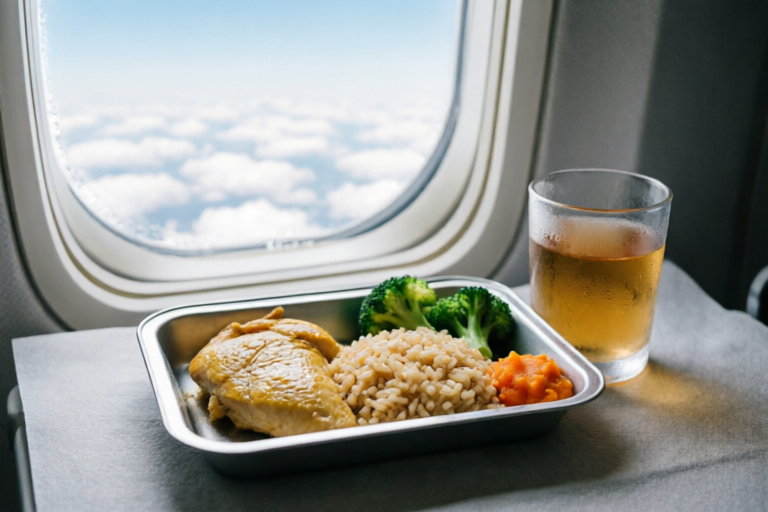
If you have ever sat down to an economy class dinner after a six-hour flight, you likely recognized the sentiment immediately. The steak seemed rubbery, the chicken appeared bland, and the salad wilted under the weight of a sad dressing packet. It is a near-universal complaint among frequent flyers: airplane food just doesn't taste right. For decades, this phenomenon has been attributed to lazy catering companies, outdated recipes, or simply the stress of travel. However, the reality is far more complex and scientifically fascinating.
It turns out that the issue isn't necessarily the quality of the chefs or the freshness of the ingredients, but rather the environment itself. When you board a commercial aircraft, you are stepping into a unique atmospheric bubble that behaves differently than the world below. This shift creates a perfect storm of physiological challenges that fundamentally alter how we perceive flavor. In this comprehensive guide, we will peel back the layers of this culinary mystery. We will explore the physiological impacts of reduced cabin pressure, the drying effects of extreme humidity levels, and the surprisingly loud role that engine noise plays in suppressing our sweet tooth. By understanding these factors, travelers can better anticipate their dining experience, and airlines can continue to innovate to serve meals that satisfy even at cruising altitude.
### Physiological Impact of Reduced Cabin Pressure
#### How Altitude Mimics Mountain Conditions
To understand why your pasta tastes less savory at 35,000 feet, we first need to look at what is happening above the wings. Commercial airliners do not fly at ground-level pressure. Instead, to maintain structural integrity and fuel efficiency, cabins are pressurized to simulate an altitude of approximately 6,000 to 8,000 feet. While this is manageable for most people, for the delicate organs involved in eating, it makes a significant difference.
At sea level, the air pressure supports the equilibrium of fluids in our bodies. However, at a simulated cabin altitude of 8,000 feet, the partial pressure of oxygen drops. This lower pressure affects the sinuses and the nasal cavity specifically. Many passengers report feeling slightly stuffy or congested shortly after takeoff, even if they have no cold. This slight congestion acts as a dampener on our sensory input. Our ability to taste is intrinsically linked to our sense of smell, a connection known as retronasal olfaction. When the nasal passages swell or become irritated due to the change in pressure, the aromatic compounds released by hot food cannot reach the olfactory receptors as efficiently as they would on the ground.
This means that much of the "flavor" you experience is actually aroma. If the door to that aroma factory is partially closed by cabin pressure changes, the flavor profile collapses. Passengers often notice that dishes relying on light herbs or subtle spice profiles suffer the most. Conversely, stronger flavors might still break through, which explains why many flights favor spicy curry or strong cheeses over delicate sauces. The pressure differential essentially filters out the lighter notes of the dish before your brain even registers the sweetness or acidity.
#### The Sensitivity of Sweetness and Saltiness
Research conducted by psychologists and nutritionists has consistently shown that human taste bud sensitivity varies across different altitudes. Specifically, the perception of sweetness and saltiness is most severely impacted. When exposed to reduced cabin pressure, the threshold required to detect sugar molecules increases. In practical terms, a meal that is perfectly seasoned on the ground might seem insipid because the concentration of sodium and glucose feels insufficient to trigger the same neural response.
This physiological adjustment is not a conscious choice by the diner; it is an automatic biological reaction to the environment. The cells responsible for detecting salty and sweet ions on the tongue respond less vigorously when the oxygen saturation levels drop. Interestingly, bitterness and sourness remain relatively unchanged. This imbalance forces chefs to rethink their seasoning ratios. A dish designed to taste balanced at sea level becomes unbalanced in the sky. Airlines now rely on extensive testing to adjust recipes, often adding a bit more sodium or using acids like lemon juice to cut through the numbing effect of the altitude, ensuring that the intended balance of flavors reaches the palate.
### Effects of Extreme Low Humidity on Sensory Perception
#### Dehydrated Nasal Passages and Mucous Membranes
While cabin pressure affects the physical space available for air exchange, cabin humidity controls the moisture content. Airplane cabins are notoriously dry. In fact, relative humidity inside a plane typically hovers between 10% and 20%. For comparison, the average home has a humidity of around 30% to 50%, and tropical regions can exceed 60%. This extremely low humidity has a direct and profound effect on the mechanics of taste.
Taste requires a medium to transport chemicals to the taste buds. These chemicals usually dissolve in saliva. However, flavor detection is heavily reliant on volatile aromatic molecules traveling through the nose. These molecules require moisture to function effectively. In the dry environment of a jet, the mucous membranes lining the nasal passages become dehydrated rapidly. As they dry out, they lose the ability to trap and transmit scent molecules to the olfactory epithelium.
Consequently, the sense of smell is dulled. Since smell accounts for roughly 80% of what we perceive as flavor, this reduction is catastrophic for fine dining. You might bite into a piece of fruit that feels juicy, but it won't smell fruity until you chew and exhale through the nose. In the plane, even that secondary release is suppressed. This explains why passengers often find themselves drinking more water and craving hydration not just for thirst, but to restore some functionality to their taste sensors. The dry air literally desiccates the tools of digestion before digestion begins.
#### The Long-Term Impact on Flavor Complexity
Over the duration of a flight, this dehydration accumulates. By the time the main meal is served two hours into the journey, the pilot lights in the cockpit may be shining bright, but the sensory lamps in the cabin are dimmed. Complex flavors, which rely on layers of aroma that unfold slowly, are flattened. A wine tasting session, for example, would yield muted results, and so would a gourmet meal. The subtleties of a truffle oil or a saffron risotto get lost in the aridity of the cabin.
This is why airlines sometimes offer extra beverages or humidifying products in premium cabins. They attempt to counteract the drying agent effect. However, for the general economy passenger, the solution is self-regulation. Experts recommend avoiding excessive caffeine or alcohol consumption before the meal, as both act as diuretics and exacerbate the dehydration caused by the low humidity, further diminishing the sense of smell and taste. Drinking plenty of water throughout the flight helps replenish the mucous membranes, offering a marginal improvement in the ability to perceive the food being served. It is a small biological hack for a large sensory challenge.
### Influence of Background Noise on Flavor Profiles
#### Engine Noise Suppresses Sweet Tastes
One of the most counterintuitive findings in the science of aviation cuisine comes from acoustic research. The constant hum of a jet engine, combined with the ventilation systems and the chatter of passengers, creates a noisy environment. The decibel level inside a typical economy cabin can fluctuate between 70 and 85 dB, comparable to a vacuum cleaner running in the room next door. Recent studies, including prominent research from Cornell University, have highlighted a direct correlation between sound levels and taste perception.
Specifically, white noise and low-frequency humming appear to suppress the perception of sweet flavors. When the brain processes a consistent background roar, it allocates cognitive resources away from the gustatory cortex. The brain interprets the noise as a stressor or a distraction, making the delicate sensation of sweetness harder to register. This is why foods containing high sugar levels—such as desserts, sweet salads, or candied nuts—often taste disappointingly flat on a flight. The environment literally drowns out the sugar signal.
#### Enhancing Savory (Umami) Flavors
Conversely, the same noise that suppresses sweetness tends to enhance savory flavors, specifically umami. Umami, often described as a meaty or brothy taste, is stimulated by glutamates and nucleotides. Studies suggest that the presence of ambient noise heightens the perception of savory intensity. This creates a unique chemical opportunity for airline chefs. Knowing that the environment favors saltiness and savoriness over sweetness, menu planners adjust the profiles accordingly.
You may notice that soups, tomato juice, and curries are staples of in-flight menus. Tomato juice is particularly popular because its distinct umami profile stands out well against the noise and pressure backdrop. Spices like pepper, garlic, and onion powder also tend to register strongly. This knowledge drives the decision-making process behind the menu. Airlines do not simply cook food at a higher temperature or add more salt arbitrarily; they strategically select flavor profiles that are acoustically resilient. Curries, for instance, often survive the flight better than delicate pastries because the complex spice blend masks the loss of sweetness and reinforces the enhanced savory notes provided by the cabin atmosphere.
### Conclusion: Balancing Science and Culinary Effort
#### Summary of Scientific Reasons
The blandness of airplane food is not a result of negligence, but a collision of biology and physics. We have explored three primary pillars of this phenomenon:
1. **Physiological Stress:** Reduced cabin pressure mimics living at high altitudes, causing mild congestion and lowering the sensitivity of taste buds, specifically for sweetness and saltiness.
2. **Environmental Aridity:** The low humidity dehydrates nasal passages, severing the link between smell and taste, which removes the complexity from the dining experience.
3. **Acoustic Interference:** The constant drone of the engines suppresses sweet flavors while artificially boosting savory ones.
These factors combine to create a sensory landscape that is vastly different from ground-level dining. Understanding this allows us to appreciate the immense effort put into in-flight catering. Chefs are not just cooking; they are engineering flavors to withstand a hostile environment.
#### Ongoing Efforts to Optimize In-Flight Dining
Airlines and catering companies are constantly working to overcome these hurdles. Some carriers are experimenting with private dining pods that reduce noise exposure for business and first-class passengers. Others are investing in faster, safer cooking methods that preserve heat longer, since temperature is another critical factor in flavor perception. Hot food smells more, and cold food tastes less vibrant. Maintaining optimal serving temperatures despite the cooling nature of the cabin air is a logistical feat in itself.
There is also a growing trend towards transparency. Airlines are increasingly listing nutritional information and explaining why certain choices are made, acknowledging the limitations imposed by altitude. Some are partnering with celebrity chefs to develop specific "flight-proof" menus designed with these variables in mind.
#### Tips for the Savvy Traveler
Finally, there are actionable steps travelers can take to improve their own experience. First, stay hydrated. Drink water before boarding and sip frequently during the flight to combat the drying effect of the cabin air. Second, consider your timing. Do not eat heavy meals immediately after takeoff when pressure changes are most active. Eat before boarding if possible, or wait until the cruise phase of the flight when the cabin is stable.
Third, utilize condiments. The salt packets, cheese shakers, or chili oil provided in economy classes can help boost the flavor profile that the noise and pressure have suppressed. Adding a pinch of extra salt can trick the taste buds back into recognizing salinity. Finally, choose flavorful items over bland ones. Opt for the curry, the tomato juice, or the spiced meat over the steamed vegetables or plain rice. By aligning your expectations with the science of the skies, you can transform a potential disappointment into a manageable part of the travel experience, proving that while the altitude may mute the music, you can still find the rhythm.
In summary, the next time you sit down to an in-flight meal, look beyond the fork. Recognize the invisible forces at play. Appreciate that your bland soup is not a mistake, but a scientific compromise. And perhaps, enjoy the challenge of bringing a little extra seasoning to the table, turning the unique constraints of flight into an experiment in adaptation.
Comments

LearnedSomethingNew
thanks for clearing this up! helped me stop complaining to flight attendants haha
👍 15👎 0

FrequentFlyer_X
so basically i cant taste sweetness well up there? gonna skip the desserts from now on
👍 16👎 0

PizzaLover99
still think the pizza tastes bad regardless tbh
👍 16👎 0

DryAirDiaries
plus everyone talks about how dry it gets in there i guess that kills smell
👍 23👎 0
CuriousGeorge42
wait does the engine noise really affect flavor perception? thats crazy info
👍 1👎 0

SnackyMcSnackface
this explains why im always craving salty pretzels mid-flight lol
👍 23👎 0
AeroPilot88
wow never thought about the cabin pressure thing, makes total sense now
👍 19👎 0