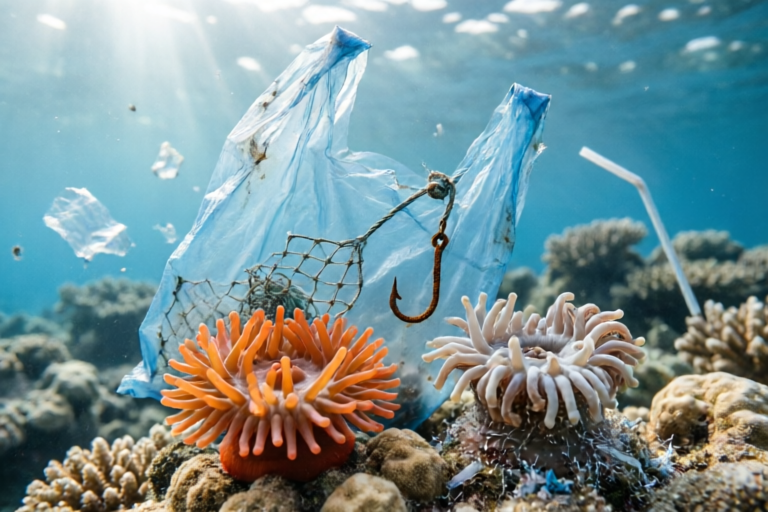
How Does Plastic Pollution Affect Marine Life?
Protecting Our Oceans: Addressing Plastic Pollution
Introduction to Plastic Pollution in Oceans
Definition and Scope of Plastic Pollution: Plastic pollution refers to the accumulation of plastic products in the environment, particularly in aquatic ecosystems. This issue has become a global environmental crisis, affecting not only marine life but also human health and economies.
The Scale of Marine Plastic Waste Globally: Each year, millions of tons of plastic waste enter the world's oceans. This includes everything from large items like fishing nets to microscopic particles known as microplastics. The sheer volume of plastic waste is staggering, with estimates suggesting that there are over 5 trillion pieces of plastic floating in the oceans today.
Sources of Plastic Waste in Marine Environments
Land-Based Sources
One of the primary contributors to marine plastic pollution is land-based activities. Littering, improper waste disposal, and industrial runoff all play significant roles. For example, when people throw trash into rivers or streets, it eventually finds its way into the ocean. Additionally, industries that release chemicals and other pollutants into waterways contribute to the problem.
Ocean-Based Sources
Activities at sea also contribute heavily to marine plastic pollution. Fishing gear, such as nets and lines, often gets lost or discarded, leading to what is known as 'ghost fishing.' Shipping vessels can also lose cargo or dump waste overboard. These ocean-based sources account for a substantial portion of the plastic found in our seas.
Direct Effects on Marine Organisms
Ingestion of Plastics by Marine Animals
Many marine creatures mistake plastic debris for food. Sea turtles, for instance, frequently ingest plastic bags, which they confuse with jellyfish. Similarly, seabirds and fish consume microplastics, thinking they are prey. This ingestion can lead to blockages in digestive tracts, malnutrition, and even death.
Entanglement and Injury from Plastic Debris
Plastic debris, especially abandoned fishing gear, can trap and injure marine animals. Whales, dolphins, seals, and sea birds are among those most affected. Entanglement can cause severe injuries, restrict movement, and ultimately lead to drowning or starvation.
Indirect Effects on Marine Ecosystems
Disruption of Food Chains and Biodiversity
The presence of plastic in the marine environment disrupts food chains and biodiversity. When predators consume prey contaminated with plastic, toxins can accumulate up the food chain. This bioaccumulation affects the entire ecosystem, potentially leading to population declines and reduced genetic diversity.
Chemical Contamination from Plastic Degradation
As plastics break down in the ocean, they release harmful chemicals. These chemicals, including bisphenol A (BPA) and phthalates, can leach into the water and be absorbed by marine organisms. Over time, these toxic substances can accumulate in tissues, causing reproductive issues, developmental disorders, and other health problems.
Long-Term Impacts on Marine Habitats
Changes in Coral Reef Health and Coastal Ecosystems
Coral reefs are particularly vulnerable to plastic pollution. Microplastics can smother corals, preventing them from photosynthesizing and leading to bleaching events. Additionally, larger plastic items can physically damage reefs, altering their structure and function. Coastal ecosystems, such as mangroves and salt marshes, are also impacted by plastic debris, which can hinder their ability to filter water and provide habitat for various species.
Accumulation of Microplastics in Sediment Layers
Microplastics settle into sediment layers on the ocean floor, where they can remain for centuries. This accumulation poses a long-term threat to benthic organisms—those living on or near the seafloor. As these tiny particles degrade further, they release more harmful chemicals, potentially contaminating the entire food web.
Conclusion: Solutions and Future Directions
Current Efforts to Reduce Plastic Pollution: Governments, organizations, and individuals are taking steps to address plastic pollution. Bans on single-use plastics, improved recycling programs, and increased public awareness campaigns are helping to reduce the amount of plastic entering the oceans. Innovative solutions, such as biodegradable materials and advanced waste management technologies, are also being developed.
Call to Action for Individuals and Governments: Everyone has a role to play in combating plastic pollution. Individuals can reduce their use of single-use plastics, recycle properly, and participate in beach cleanups. Governments must enforce stricter regulations, invest in research, and promote sustainable practices. Together, we can protect our oceans and ensure a healthier future for marine life.
Comments

Never knew this! I'm definitely going to cut down on single-use plastics after reading this.

Great article! It's important to spread awareness about these issues. Let's hope more people take action.

This makes me think twice about my plastic use. Reducing plastic seems like the way to go.

It's heartbreaking to see sea turtles get entangled in fishing nets. What can we do to help them?

How exactly do microplastics get into the sediment layers? Is there anything we can do to stop that?

I always pick up trash on the beach but didn't realize how much it affects the food chain. Thanks for the info!
Wow, I never knew plastic could affect coral reefs so badly. This is really eye-opening!