Why Do Our Fingers Crack When We Bend Them?
Unravel the Mystery of Finger Cracking
Introduction to Finger Cracking
Finger cracking is a common phenomenon that many people experience when bending their fingers. The sound can be startling and intriguing, leading to questions about what causes it. This article delves into the reasons behind finger cracking, exploring both the science and the myths surrounding this everyday occurrence.
Definition and Common Occurrence
Finger cracking refers to the audible popping or snapping sound produced when joints are moved. It is a frequent occurrence, especially among young adults and children. Despite its prevalence, the exact mechanisms behind the sound have been a subject of debate in the medical community for decades.
The Curiosity Behind the Phenomenon
The sound of cracking fingers has long captured the attention of both casual observers and scientists. Many people find it fascinating, while others may wonder if there are any health implications. This curiosity has fueled numerous studies aimed at understanding the underlying causes.
Causes of Finger Cracking
The cracking sound is primarily attributed to gas bubbles forming and collapsing within the synovial fluid that lubricates our joints. However, other factors such as joint movement and the behavior of ligaments and tendons also play roles.
Gas Bubbles in Synovial Fluid
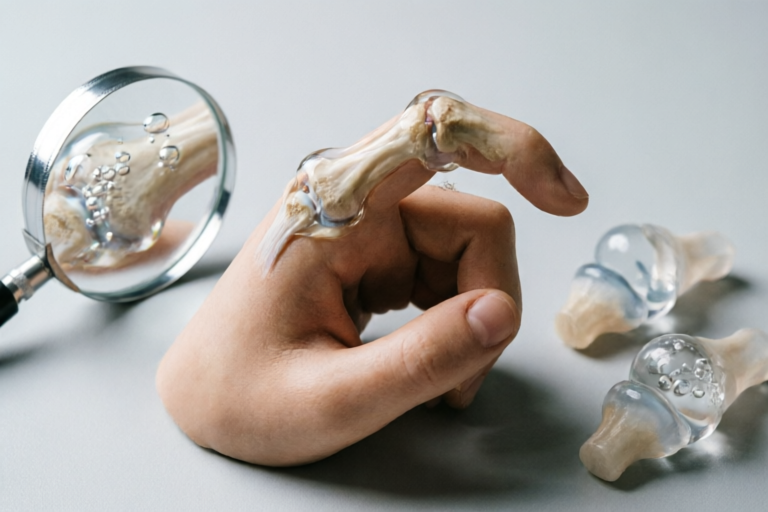
One widely accepted theory suggests that the cracking sound results from the formation and collapse of gas bubbles in the synovial fluid. As pressure changes occur during joint movement, these bubbles can form and then rapidly dissolve, creating the characteristic popping noise.
The Role of Joint Movement
Joint movement itself contributes to the cracking sound. When a joint is extended or compressed, the surfaces of the bones within the joint move relative to each other. This movement can create conditions favorable for bubble formation and subsequent collapse.
Theories About Ligaments and Tendons
Some researchers propose that the snapping of ligaments or tendons over bony prominences could also produce the cracking sound. These structures may temporarily shift position before settling back into place, generating the audible crack.
Scientific Studies on Finger Cracking
Historical research and recent findings provide valuable insights into the mechanisms behind finger cracking. Scientists have employed various methods to investigate this phenomenon, but controversies persist within the scientific community.
Historical Research and Recent Findings
Early studies focused on the physical properties of synovial fluid and the mechanics of joint movement. More recent research has utilized advanced imaging techniques to observe bubble formation and collapse in real time. These studies have provided detailed information about the timing and nature of the cracking sound.
To understand finger cracking, scientists have employed several methods including ultrasound imaging, magnetic resonance imaging (MRI), and mechanical models of joints. These tools allow researchers to visualize internal structures and measure the forces involved in joint movement.
Controversies and Debates in the Scientific Community
Despite significant progress, some aspects of finger cracking remain controversial. For example, whether repeated cracking leads to joint damage is still debated. Some studies suggest no adverse effects, while others caution against excessive cracking.
Health Implications of Finger Cracking
Understanding the potential benefits or risks associated with finger cracking is crucial for maintaining joint health. Many myths exist regarding the consequences of cracking fingers, but separating fact from fiction is essential.
Potential Benefits or Risks
While some people believe that cracking fingers relieves tension or improves flexibility, there is limited evidence supporting these claims. On the other hand, concerns about joint damage or arthritis have been largely debunked by scientific research. However, individuals who experience pain or discomfort should consult a healthcare professional.
Myths Versus Facts
Common myths include the belief that cracking fingers causes arthritis or joint weakness. In reality, there is no strong evidence linking finger cracking to these conditions. Instead, factors like age, genetics, and overall joint health are more significant contributors to joint issues.
Recommendations for Joint Health
For those concerned about their joint health, maintaining a balanced diet rich in vitamins and minerals, staying hydrated, and engaging in regular physical activity are beneficial. If cracking is accompanied by pain or swelling, seeking medical advice is advisable.
Factors Influencing Frequency of Cracking
Variability in the frequency of finger cracking can be influenced by multiple factors, including age, gender, individual differences, lifestyle choices, and certain medical conditions.
Age, Gender, and Individual Differences
The frequency of finger cracking tends to decrease with age. Younger individuals are more likely to experience frequent cracking due to higher levels of synovial fluid. There may also be gender-related differences, though research is inconclusive. Additionally, individual variations in joint structure and fluid composition can affect cracking frequency.
Lifestyle Factors Such as Hydration and Diet
Hydration plays a critical role in maintaining the viscosity of synovial fluid. Dehydration can lead to thicker fluid, potentially reducing the likelihood of cracking. A healthy diet rich in antioxidants and anti-inflammatory compounds may also support joint health.
Medical Conditions That May Affect Finger Cracking
Certain medical conditions, such as osteoarthritis or rheumatoid arthritis, can alter the properties of synovial fluid and influence the frequency of cracking. Individuals with these conditions should monitor their symptoms and consult healthcare providers for personalized advice.
Conclusion: Understanding Finger Cracking
In conclusion, finger cracking remains an intriguing aspect of human physiology. By examining the causes, scientific studies, health implications, and influencing factors, we gain a deeper understanding of this common phenomenon. While there are still mysteries to unravel, ongoing research continues to shed light on the complexities of joint mechanics.
Recap of Key Points
We explored the definition and commonality of finger cracking, its causes involving gas bubbles and joint movement, and the role of ligaments and tendons. We also examined scientific studies, health implications, and factors affecting cracking frequency. Finally, we emphasized the importance of maintaining joint health through proper nutrition and hydration.
Final Thoughts on the Mystery of Finger Cracking
Despite extensive research, some aspects of finger cracking remain mysterious. Continued curiosity and scientific inquiry will undoubtedly lead to new discoveries and a more comprehensive understanding of this fascinating biological process.
Encouragement for Further Exploration and Curiosity
Whether you're a casual observer or a scientist, the mystery of finger cracking invites further exploration. Embrace your curiosity and stay tuned for future developments in this area of research.
Comments

I'd love to see more studies on how lifestyle factors like diet affect joint cracking frequency.

Never knew this! Thanks for clearing up the myths about cracking your knuckles causing arthritis.

I've been trying to stay hydrated lately. Could that actually reduce how much my joints crack?

Great breakdown of the science behind it. I didn't realize there were so many theories on this!

I crack my fingers all the time. It feels good but I'm worried it might be bad for me. Is there any truth to that?

Interesting! Does cracking your knuckles really cause arthritis though? I've heard mixed things about that.

Wow, I always wondered why my knuckles make that popping sound. Never knew it was because of gas bubbles!