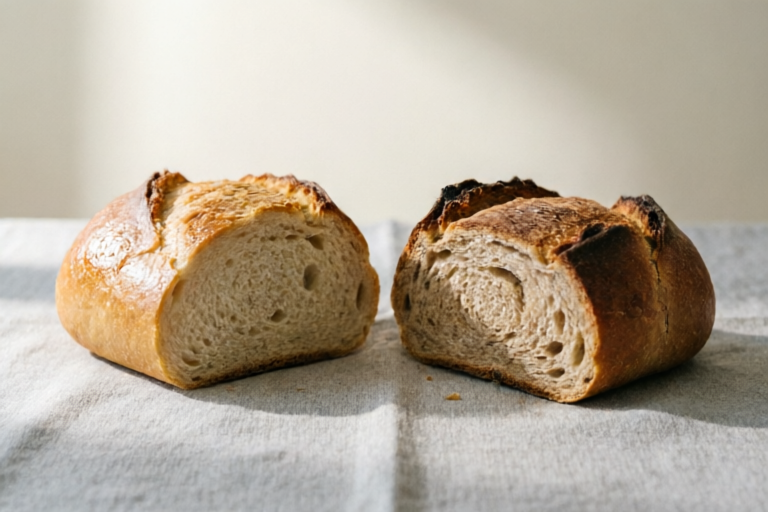
Why Does Bread Get Stale Over Time?
Fresh Insights into Bread Staling
1. Introduction to Bread Staling
Bread is a staple food enjoyed by millions around the world. However, one common frustration many face is the phenomenon of bread becoming stale over time. This article delves into the reasons behind this process, providing insights into how you can better manage and extend the freshness of your bread.
Definition of Bread Staling
Bread staling refers to the process where freshly baked bread loses its desirable characteristics, such as softness and flavor, over time. While often confused with mold growth or spoilage, staling specifically pertains to changes in texture and moisture content without compromising safety.
Common Observations and Frustrations
Many people notice that even when stored properly, bread can become hard and less palatable within days. This can be frustrating, especially if you're trying to make the most out of your loaf. Understanding the underlying causes can help you take proactive steps to keep your bread fresh longer.
2. The Role of Moisture in Bread Freshness
How Moisture Affects Bread Texture
The presence of moisture plays a crucial role in determining the texture of bread. Freshly baked bread contains water molecules that contribute to its soft and chewy texture. As these water molecules begin to evaporate, the bread starts to dry out, leading to a change in texture.
The Drying Process Over Time
Over time, the evaporation of moisture from the bread's interior causes it to lose its softness. This drying process is accelerated by exposure to air, particularly in environments with low humidity. Understanding how moisture behaves in different conditions can help you better preserve your bread.
3. Starch Retrogradation: The Science Behind Staling
Explanation of Starch Retrogradation
One of the primary scientific processes responsible for bread staling is starch retrogradation. During baking, starch molecules in flour gelatinize, absorbing water and swelling. As the bread cools, these starch molecules begin to re-form their original structure, expelling water in the process. This leads to a firming up of the bread's crumb.
Impact on Bread's Crumb Structure
The reorganization of starch molecules results in a denser and less elastic crumb structure. This not only affects the texture but also impacts the bread's ability to retain moisture, further contributing to its staleness. Understanding this process can help you appreciate why certain types of bread may stale faster than others.
4. Environmental Factors Affecting Bread Shelf Life
Temperature and Humidity Considerations
The environment in which bread is stored significantly influences its shelf life. Higher temperatures accelerate the evaporation of moisture, while lower humidity levels exacerbate this effect. Conversely, storing bread in cooler and more humid environments can help slow down the staling process.
Packaging and Storage Tips
To extend the freshness of your bread, consider using airtight containers or wrapping it tightly in plastic wrap. Additionally, storing bread at room temperature rather than in the refrigerator can help maintain its texture. For best results, avoid exposing bread to direct sunlight or heat sources.
5. Methods to Extend Bread Freshness
Proper Storage Techniques
Using proper storage techniques is essential for maintaining bread's freshness. Keeping bread in a cool, dry place away from direct light can help slow down the staling process. Some people also recommend freezing bread for longer-term storage, though it's important to note that freezing can affect the texture upon thawing.
Alternative Cooking Methods for Stale Bread
If your bread has already started to stale, there are several ways to revive it. Toasting is a popular method that can restore some of the bread's crispiness and flavor. Alternatively, you can use stale bread in recipes like French toast, bread pudding, or croutons. These methods not only salvage your bread but also add variety to your meals.
6. Conclusion: Understanding and Managing Bread Staling
Summary of Key Points
In summary, bread staling is primarily caused by moisture loss and starch retrogradation. By understanding these processes, you can take steps to extend your bread's shelf life. Proper storage techniques and environmental control play a significant role in preserving bread's freshness. Additionally, knowing how to repurpose stale bread can help you make the most out of your loaf.
Practical Advice for Maintaining Bread Freshness
To keep your bread fresh for longer, store it in a cool, dry place away from direct sunlight. Consider using airtight containers or wrapping it tightly in plastic wrap. If you find yourself with stale bread, don't hesitate to explore alternative cooking methods to give it new life. With these tips, you can enjoy fresher bread and reduce waste.
Comments

Thanks for this! I always wondered why my bread went bad so quickly. Now I know what to do.

Interesting! So reheating bread can actually make it softer again because of the moisture?

This explains why my bread gets hard so fast in humid weather. I'll keep it in a cooler spot from now on.

Starch retrogradation... sounds complex but makes total sense now!

I've been storing my bread in the fridge but it still goes stale quickly. Maybe I should try wrapping it better?

So does freezing bread really help slow down the staling process?

Wow, I always thought it was just because it dried out! Never knew about the starch thing.