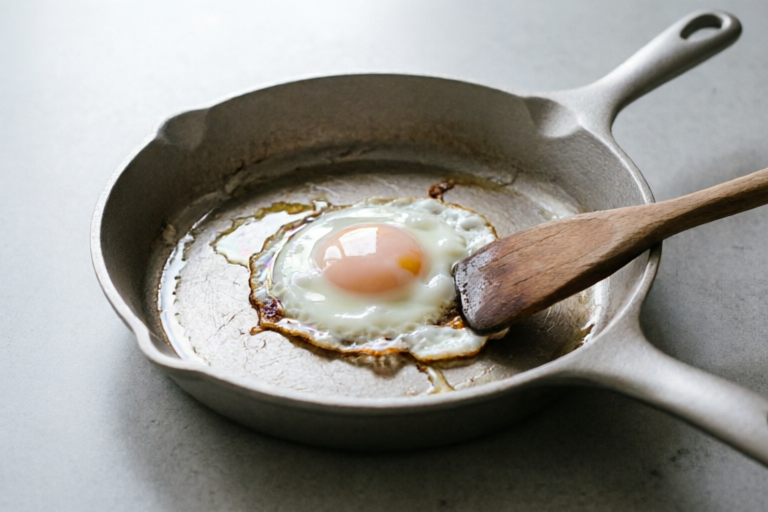
Why Do Eggs Stick to Pans When Cooking?
Achieve Perfectly Cooked Eggs Every Time
1. Introduction: Understanding the Common Problem
When it comes to cooking eggs, one of the most frustrating issues many home cooks face is eggs sticking to the pan. Whether you're making scrambled eggs, sunny-side up, or omelets, this problem can lead to unsightly, unevenly cooked eggs and a significant amount of cleanup. Proper cooking techniques are essential not only for achieving the desired texture but also for maintaining the integrity of your cookware.
1.1 Brief Overview of the Issue with Eggs Sticking to Pans
Eggs have a tendency to stick to various types of pans, from seasoned cast iron skillets to modern non-stick surfaces. This issue arises due to several factors, including the properties of the egg itself, the condition of the pan, and the cooking methods employed. Understanding these factors can help you avoid this common problem and achieve perfectly cooked eggs every time.
1.2 Importance of Proper Cooking Techniques for Egg Dishes
The right cooking techniques can make all the difference in how your eggs turn out. From the type of pan you use to the timing and temperature at which you cook them, each step plays a crucial role in preventing eggs from sticking. By mastering these techniques, you'll be able to create delicious, evenly cooked eggs without the hassle of scraping stuck-on bits from your pan.
2. Why Eggs Stick to Pans: The Science Behind It
To truly understand why eggs stick to pans, it's important to delve into the science behind the phenomenon. Several factors contribute to the adhesion of eggs to the cooking surface, including surface tension, heat distribution, and the composition of the pan itself.
2.1 Explanation of Surface Tension and How It Affects Eggs
Surface tension refers to the cohesive forces between molecules at the surface of a liquid. In the case of eggs, the proteins in the egg white and yolk form a thin film that can adhere to the surface of the pan. When this film comes into contact with a hot surface, it can create a strong bond, causing the egg to stick. Understanding surface tension helps explain why certain types of pans and cooking techniques are more prone to causing eggs to stick than others.
2.2 Role of Heat in Creating a Bond Between Eggs and Pan
Heat plays a critical role in the cooking process, and it's particularly important when it comes to preventing eggs from sticking. Excessive heat can cause the proteins in the egg to denature and coagulate too quickly, leading to a stronger bond between the egg and the pan. On the other hand, insufficient heat can result in undercooked eggs that are difficult to remove from the pan. Finding the right balance is key to achieving perfectly cooked eggs that release easily.
2.3 Importance of Non-Stick Coatings and Their Limitations
Non-stick coatings, such as those found on Teflon-coated pans, are designed to reduce the likelihood of food sticking to the surface. However, even these specialized coatings can fail if not used correctly. Over time, the non-stick surface can degrade, especially if exposed to high temperatures or abrasive cleaners. Additionally, using metal utensils or sharp implements can scratch the coating, reducing its effectiveness. Understanding the limitations of non-stick surfaces can help you extend their lifespan and maintain their performance.
3. Factors Contributing to Egg Adhesion
Several factors can influence how likely eggs are to stick to your pan. These include the type of pan material, the quality of the oil or butter you use, and the cooking temperature. Each of these elements plays a role in determining whether your eggs will slide off the pan effortlessly or end up stuck to the surface.
3.1 Influence of Pan Material (e.g., Cast Iron, Stainless Steel)
Different materials react differently to heat and moisture, which can affect how well eggs adhere to the surface. For example, cast iron pans, while excellent for searing and browning, can be more prone to sticking if not properly seasoned. Stainless steel pans, on the other hand, tend to require more care and attention to prevent sticking. Understanding the characteristics of each material can help you choose the right pan for the job and reduce the likelihood of eggs sticking.
3.2 Effect of Oil or Butter Quality on Egg Adherence
The type and quality of oil or butter you use can significantly impact how well your eggs release from the pan. High-quality oils and butters, such as extra virgin olive oil or clarified butter, can create a smoother, more even cooking surface, reducing the chances of eggs sticking. Conversely, low-quality oils or overly greasy surfaces can lead to excess fat pooling, which can cause eggs to stick. Experimenting with different oils and butters can help you find the perfect combination for your cooking style.
3.3 Impact of Cooking Temperature on Egg Stickiness
Cooking temperature is another critical factor in preventing eggs from sticking. If the pan is too cold, the eggs may absorb excess moisture from the surface, leading to sticking. On the other hand, if the pan is too hot, the eggs can cook too quickly, causing the proteins to denature and stick to the surface. Finding the optimal temperature for your specific pan and cooking method can help you achieve perfectly cooked eggs that release easily.
4. Techniques to Prevent Eggs from Sticking
By following a few simple techniques, you can significantly reduce the likelihood of eggs sticking to your pan. These methods range from proper preheating and seasoning of the pan to choosing the right type of oil or butter for cooking. With the right approach, you can enjoy perfectly cooked eggs every time.
4.1 Proper Preheating and Seasoning of the Pan
Proper preheating is essential for ensuring an even cooking surface. Before adding any eggs, allow the pan to heat up until it reaches the ideal temperature. This ensures that the eggs cook evenly and reduces the risk of sticking. Additionally, properly seasoning cast iron pans can create a natural non-stick surface that helps prevent eggs from adhering to the surface.
4.2 Choosing the Right Type of Oil or Butter for Cooking
The choice of oil or butter can make a big difference in how well your eggs release from the pan. High-quality oils and butters, such as extra virgin olive oil or clarified butter, can create a smoother, more even cooking surface. Additionally, using a light layer of oil or butter can help prevent excessive sticking by providing a barrier between the eggs and the pan. Avoid using overly greasy surfaces, as this can lead to excess fat pooling and increased stickiness.
4.3 Timing and Technique for Adding Eggs to the Pan
Timing is everything when it comes to cooking eggs. Adding eggs to a pan that's too hot or too cold can lead to sticking. Ideally, the pan should be preheated until it's hot but not smoking. Once the pan is ready, add the eggs carefully, allowing them to spread out evenly. Avoid overcrowding the pan, as this can lead to uneven cooking and increased stickiness. Additionally, flipping the eggs gently and promptly can help prevent them from sticking to the surface.
5. Maintaining Non-Stick Surfaces Over Time
Non-stick surfaces are designed to last for years with proper care and maintenance. However, over time, these surfaces can degrade if not handled correctly. By following some basic cleaning and maintenance tips, you can extend the life of your non-stick pans and keep them performing at their best.
5.1 Regular Cleaning and Maintenance Tips for Non-Stick Pans
Regular cleaning is essential for maintaining the integrity of your non-stick surface. After each use, allow the pan to cool slightly before washing it with warm, soapy water and a soft sponge. Avoid using abrasive scrubbers or harsh chemicals, as these can scratch or damage the non-stick coating. Instead, opt for gentle cleaning methods that won't compromise the surface.
5.2 Avoiding Harsh Abrasives That Can Damage the Coating
Harsh abrasives, such as steel wool or metal scouring pads, can scratch the non-stick surface, reducing its effectiveness over time. To avoid damaging the coating, use soft sponges or non-abrasive cleaning tools when washing your non-stick pans. Additionally, avoid exposing the pan to high heat, as this can cause the coating to break down more quickly. By being mindful of these factors, you can extend the lifespan of your non-stick cookware.
5.3 Reconditioning Old Non-Stick Pans to Restore Their Effectiveness
If your non-stick pan has become scratched or worn over time, there are steps you can take to recondition it and restore its effectiveness. One common method is to apply a thin layer of vegetable oil or shortening to the surface and heat the pan gently. This can help fill in small scratches and create a new non-stick surface. Additionally, using a fine-grit sandpaper or baking soda can help smooth out rough spots, though this should be done sparingly to avoid further damage.
6. Conclusion: Achieving Perfectly Cooked Eggs Every Time
In conclusion, understanding why eggs stick to pans and implementing the right techniques can help you achieve perfectly cooked eggs every time. By considering the science behind egg adhesion, the factors that contribute to sticking, and the techniques to prevent it, you can enjoy delicious, evenly cooked eggs without the frustration of stuck-on bits. Remember to choose the right pan, use high-quality oils and butters, and follow proper cooking techniques. With a little practice and patience, you'll be sliding eggs off the pan effortlessly in no time.
6.1 Summary of Key Points Discussed in the Article
- Surface tension: The cohesive forces between egg proteins and the pan surface can cause sticking.
- Heat distribution: Proper preheating and temperature control are crucial for even cooking and preventing sticking.
- Pan materials: Different materials, like cast iron and stainless steel, have varying tendencies to cause sticking.
- Oil and butter quality: Using high-quality fats can create a smoother cooking surface and reduce stickiness.
- Maintenance: Regular cleaning and avoiding harsh abrasives can extend the life of non-stick surfaces.
6.2 Final Tips for Ensuring Eggs Slide Off the Pan Effortlessly
- Preheat the pan: Ensure the pan is hot but not smoking before adding eggs.
- Use the right oil: Opt for high-quality oils like extra virgin olive oil or clarified butter.
- Avoid overcrowding: Cook eggs in batches to prevent uneven cooking and sticking.
- Flip gently: Use a spatula to flip eggs gently and promptly to prevent sticking.
- Season cast iron: Properly season cast iron pans to create a natural non-stick surface.
6.3 Encouragement to Experiment with Different Techniques
Finally, don't be afraid to experiment with different techniques and ingredients to find what works best for you. Whether you prefer scrambled, fried, or poached eggs, there are countless ways to enjoy this versatile ingredient. With a little practice and the right tools, you'll be able to achieve perfectly cooked eggs every time, without the hassle of sticking. Happy cooking!
Comments

Thanks for the info. I always use olive oil but maybe I should switch it up.

This makes so much sense. I'll be more careful with my non-stick pans from now on.
Never knew this! My eggs always stick. Guess I need to work on my pan preheating.

Interesting. I'll try seasoning my pan better next time. Thanks for the tip!

I've always wondered if the type of oil matters. Now I know it does!

So why does my cast iron skillet make eggs stick more than my non-stick one?

Wow, never knew surface tension played such a big role! Always thought it was just the pan.