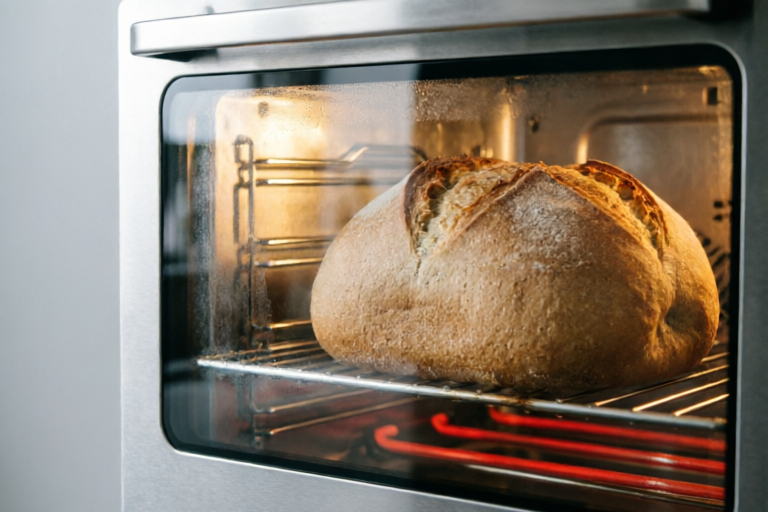
Why Does Bread Rise When Baking?
Perfectly Risen Bread: Understanding the Science
### Article Outline: Why Does Bread Rise When Baking?
1. Introduction to Bread Rising
Definition of bread rising: Bread rising is a crucial step in the bread-making process where the dough expands due to the production of carbon dioxide gas. This expansion gives bread its light and airy texture.
Importance of bread rising in baking process: Proper bread rising ensures that the bread has the right texture, flavor, and volume. Without adequate rising, the bread can be dense and flat, lacking the desired characteristics.
2. The Role of Yeast in Bread Rising
Explanation of yeast and its function: Yeast is a microorganism that feeds on sugars in the dough and converts them into carbon dioxide and alcohol through a process called fermentation. This carbon dioxide is what causes the bread to rise.
How yeast produces carbon dioxide during fermentation: Yeast consumes sugars present in the flour and releases carbon dioxide as a byproduct. These bubbles of carbon dioxide get trapped within the gluten network formed during kneading, causing the dough to expand.
3. Factors Affecting Bread Rising
Temperature and its impact on yeast activity
The temperature at which you allow your dough to rise plays a significant role in the fermentation process. Yeast thrives in temperatures between 70°F and 85°F (21°C and 29°C). If the temperature is too low, the yeast will become dormant, slowing down the rising process. Conversely, if the temperature is too high, the yeast can die, leading to an under-risen loaf.
The role of humidity and dough consistency
The environment's humidity level also affects bread rising. In dry conditions, the dough can lose moisture, becoming tough and difficult to rise. Maintaining proper hydration in the dough is essential for optimal rising. Additionally, the consistency of the dough—neither too wet nor too dry—ensures that the gluten structure forms correctly, allowing the dough to trap carbon dioxide effectively.
4. The Science Behind Carbon Dioxide Production
Detailed explanation of how carbon dioxide is produced
During fermentation, yeast breaks down carbohydrates (mainly sugars) into carbon dioxide and ethanol. This process occurs in two stages: glycolysis and alcoholic fermentation. First, the yeast breaks down glucose into pyruvate through glycolysis. Then, in the absence of oxygen, the pyruvate is converted into carbon dioxide and ethanol through alcoholic fermentation.
Interaction between yeast, sugars, and enzymes
Enzymes in the flour, such as amylase, help break down complex carbohydrates into simpler sugars that yeast can consume. Amylase works optimally at specific temperatures, so controlling the dough's temperature is crucial. The interaction between yeast, sugars, and enzymes creates the perfect environment for carbon dioxide production, ensuring the dough rises properly.
5. Techniques for Optimal Bread Rising
Proper kneading techniques to develop gluten
Kneading is essential for developing gluten, which forms the framework that traps carbon dioxide bubbles. To knead effectively, use a firm hand and fold the dough over itself repeatedly. Kneading should continue until the dough becomes smooth and elastic, typically taking around 10 minutes. Using a stand mixer or food processor can also help achieve this texture more efficiently.
Importance of proofing and resting periods
Proofing refers to the final rise after the dough has been shaped. It allows the yeast to produce more carbon dioxide, giving the bread its final volume and texture. Resting periods between shaping and baking are also important as they allow the gluten to relax, making it easier to shape the dough without tearing. Proper timing and conditions for proofing ensure that the bread rises evenly and achieves the desired texture.
6. Conclusion and Tips for Perfectly Risen Bread
Summary of key points discussed: Bread rising is a fascinating process driven by yeast, which converts sugars into carbon dioxide through fermentation. Various factors, including temperature, humidity, and dough consistency, influence the effectiveness of this process. Proper kneading and proofing techniques are crucial for achieving the best results.
Final tips for achieving the best results in bread baking: Ensure that your kitchen environment is warm and moist, maintain the correct dough consistency, and give your dough ample time to rise. By understanding and applying these principles, you can consistently produce perfectly risen bread with a light and airy texture.
Comments

So interesting! I always thought it was just magic.

Never knew this! I guess that's why my bread doesn't rise well when I forget to let it rest.

The science behind bread rising is fascinating. Who knew biology could be so delicious?

I've been trying to make perfect bread for ages. This article is super helpful!

How does the humidity affect the rising process? Is it better to bake in a humid environment?

This makes total sense now. I always wondered why my bread rises unevenly. Guess I need to work on my kneading skills!

Wow, I never knew yeast was so important! My bread always turns out flat, maybe I need to pay more attention to temperature.