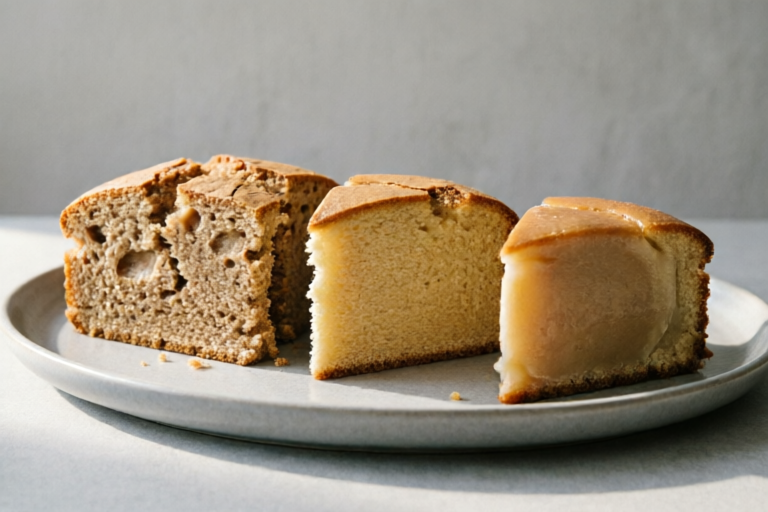
How Does Sugar Affect Baking Texture?
Sweet Secrets of Baking Texture
Introduction to the Role of Sugar in Baking
Sugar plays a crucial role in baking, not just as a sweetener but also as an essential ingredient that affects the texture, flavor, and overall quality of baked goods. In this article, we will delve into the various ways sugar impacts the texture of baked products, from cakes and cookies to bread and pastries.
Definition and Importance of Sugar in Baking
Sugar is a carbohydrate that provides sweetness and adds volume to baked goods. It also helps in browning, acts as a preservative, and enhances the shelf life of products. Understanding its role can help bakers achieve the perfect balance between taste and texture.
Brief Overview of Sugar's Impact on Texture
The presence of sugar in recipes can significantly alter the texture of baked goods. It influences factors such as moisture content, crust development, and leavening. By manipulating the amount and type of sugar used, bakers can create a wide range of textures, from tender and moist to crispy and crunchy.
The Chemistry Behind Sugar and Texture
To fully appreciate how sugar affects baking texture, it's important to understand the chemical reactions that occur during the baking process.
Explanation of How Sugar Interacts with Other Ingredients
Sugar interacts with other ingredients in several ways. For instance, it attracts water molecules, which can affect the dough's consistency. Additionally, sugar inhibits gluten formation by weakening the gluten network, leading to softer and more tender baked goods.
Role of Sugar in Moisture Retention and Crust Formation
Sugar has hygroscopic properties, meaning it attracts and holds onto moisture. This characteristic is particularly beneficial in baked goods, as it helps retain moisture, keeping them soft and fresh longer. Moreover, sugar caramelizes when heated, contributing to the formation of a golden-brown crust.
Types of Sugar and Their Textural Effects
Different types of sugar have varying effects on the texture of baked goods. Here’s an overview of some common types of sugars used in baking:
Overview of Common Types of Sugars Used in Baking
- White Sugar: Refined white sugar is commonly used in baking due to its neutral flavor and ability to dissolve easily. It provides a clean, crisp texture and promotes browning.
- Brown Sugar: Brown sugar contains molasses, which gives it a richer flavor and a moister texture. It's often used in recipes where a denser, chewier texture is desired.
- Powdered Sugar: Also known as confectioners' sugar, this finely ground sugar is used for dusting or glazing. It dissolves quickly and is ideal for creating smooth icings and frostings.
Comparison of How Different Sugars Affect Texture
While all sugars provide sweetness, their textural effects vary. White sugar tends to produce a crisper texture, while brown sugar results in a more moist and dense texture. Powdered sugar, on the other hand, contributes to smoother textures in frostings and fillings.
Sugar’s Influence on Moisture and Crust Development
The ability of sugar to retain moisture and contribute to crust formation makes it indispensable in baking.
Detailed Explanation of How Sugar Retains Moisture in Baked Goods
Sugar's hygroscopic nature means it absorbs moisture from the environment, helping to keep baked goods moist and fresh. This property is especially useful in products like cakes and muffins, where maintaining moisture is critical for optimal texture.
Discussion on How Sugar Contributes to the Development of a Desirable Crust
When exposed to heat, sugar undergoes caramelization, resulting in a golden-brown crust. This process not only adds color but also enhances flavor, making the crust more appealing and delicious. The crust formed by sugar is typically crisp and has a rich, nutty flavor.
Impact of Sugar on Leavening and Structure
Sugar also plays a significant role in leavening and the overall structure of baked goods.
Role of Sugar in Yeast Fermentation and Rising
In recipes that use yeast, sugar serves as a food source for the yeast, promoting fermentation and causing the dough to rise. However, excessive amounts of sugar can inhibit yeast activity, leading to poor rising. Therefore, it's important to strike a balance between the amount of sugar and yeast to achieve the desired rise.
Effects of Sugar on Gluten Structure and Elasticity
Sugar weakens the gluten network, making the dough less elastic and more tender. This is particularly beneficial in products like cakes and cookies, where a delicate texture is preferred. However, in bread-making, too much sugar can lead to a weaker structure, resulting in a less robust loaf.
Conclusion: Balancing Sugar for Optimal Texture
Understanding the multifaceted role of sugar in baking is essential for achieving the desired texture in your baked goods. By carefully selecting the right type and amount of sugar, you can enhance moisture retention, promote proper crust formation, and optimize leavening and structure.
Summary of Key Points Regarding Sugar's Role in Baking Texture
Sugar is not just a sweetener; it plays a vital role in determining the texture of baked goods. Its ability to retain moisture, contribute to crust formation, and influence leavening and structure makes it an indispensable ingredient in baking. By mastering the art of sugar manipulation, bakers can create a wide range of textures, from tender and moist to crispy and crunchy.
Tips for Bakers to Achieve Desired Textures Through Sugar Manipulation
- Experiment with Different Types of Sugar: Try using white, brown, or powdered sugar to see how each affects the texture of your baked goods.
- Adjust the Amount of Sugar: Vary the quantity of sugar in your recipes to achieve the desired level of sweetness and texture.
- Consider the Role of Sugar in Yeast Recipes: Be mindful of the amount of sugar when using yeast, as excessive sugar can inhibit yeast activity.
- Use Sugar Syrups: Incorporate sugar syrups, such as honey or corn syrup, to add moisture and enhance texture.
Comments

Thanks for this! I'm trying to make the perfect loaf of bread. Should I adjust the sugar to get a better crust?

Great info! So how does sugar affect gluten development exactly? More questions now!

Never knew this! I always assumed sugar was just for sweetness. Now I'll pay more attention to the type I use.
I've noticed that cakes made with white sugar rise better than those with brown. Is it because of the molasses?

So does this mean if I want a crispier crust, I should use more sugar?

This explains why my cookies turn out too soft sometimes. I've been using too much brown sugar.
Wow, I always thought sugar just made things sweeter. Never knew it played such a big role in texture!